

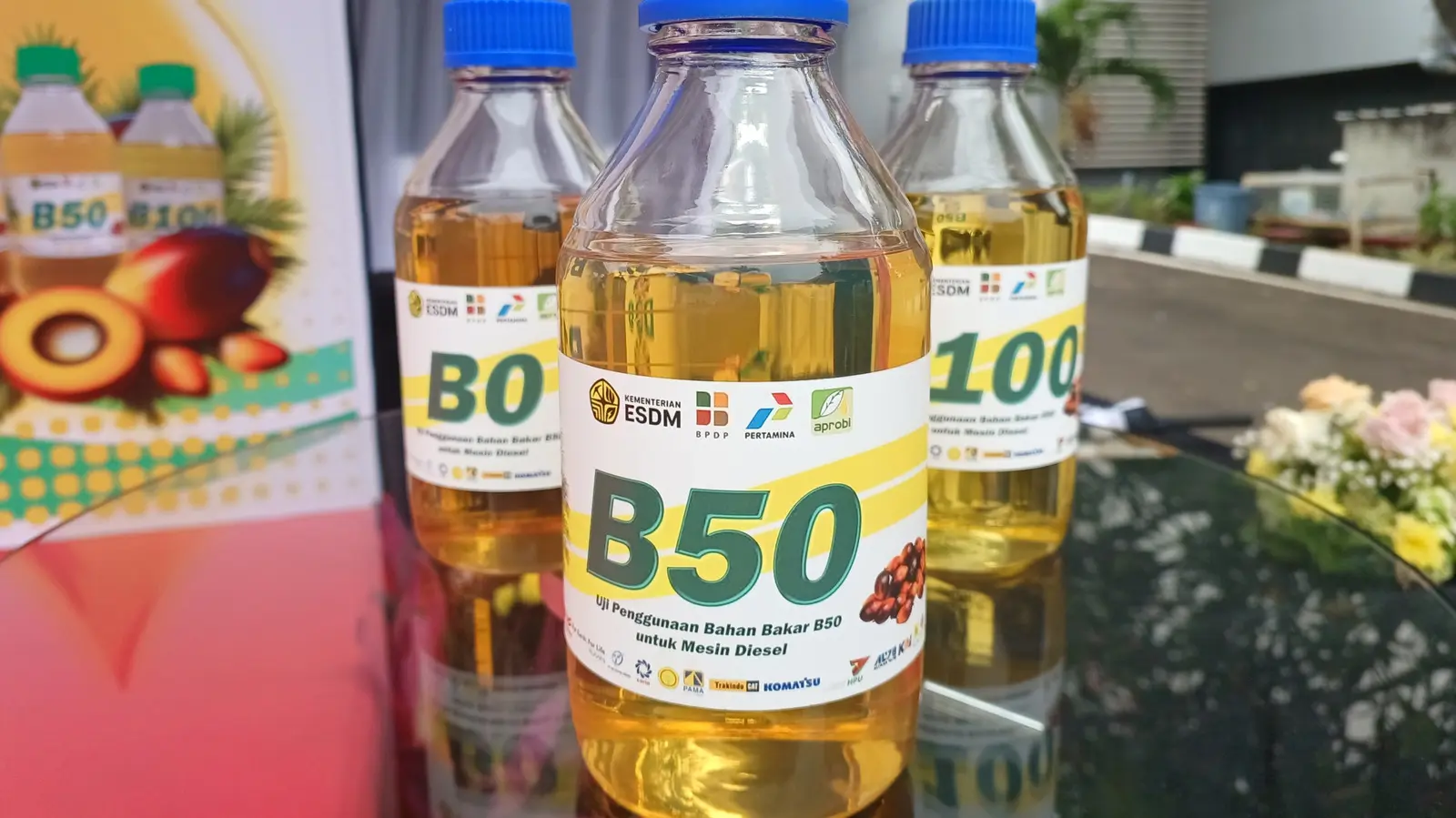
While traditional diesel remains a common sight at fueling stations, biodiesel has emerged as a viable alternative in some contexts. There are several notable differences between diesel and biodiesel, the most notable being that the latter is made out of vegetable oils, animal fats, and recycled cooking grease. This creates a significantly cleaner diesel fuel, albeit one with slightly lower energy density. These differences mean that you can't always use biodiesel in machinery explicitly designed to take in regular diesel. Not all generators, for example, can run on biodiesel, and it depends on the specific model and the type of biodiesel used.
Biodiesel is typically classified by its blend percentage. The most common blends are B5 (5% biodiesel, 95% petroleum diesel), B20 (6% to 20% biodiesel), and B100 (pure biodiesel). Lower blends like B5 and B20 are often considered drop-in replacements because they exhibit similar properties to regular diesel and are generally safe for unmodified diesel engines. However, as the concentration of biodiesel increases, so do the challenges related to viscosity, cold flow, and material compatibility.
Understanding B100 and Generator Compatibility
More concentrated biodiesel, however, like B100, should not be used with just any generator. While B100 is great for engine lubrication and is safe to store thanks to a high flash point, it has a higher viscosity due to the presence of vegetable oils and animal fats. This means it may be too thick for standard generator fuel systems and can impede performance. These oils and fats can also cause B100 to gel in cold temperatures and gum up the entire system.
Before using B100 in your generator, consult the manual or a professional to make sure it's compatible. If it's not, but you still want to use this fuel source, you have a couple of options. Most manufacturer warranties will specify the maximum biodiesel blend allowed. Using a higher blend than recommended can void the warranty and damage fuel injectors, pumps, and seals. For modern diesel generators, the standard recommendation is often B20 or lower, though some heavy-duty models are designed for B100 with appropriate modifications.
Ways to Utilize Biodiesel in a Generator
If you're adamant about using pure B100 biodiesel, your existing generator will need some modification. As mentioned, B100 is much thicker than regular diesel or lower biodiesel blends, so fuel lines and other fuel system components may need to be changed to accommodate it. You will also need a separate tank for the biodiesel and a system to keep the fuel warm and prevent it from gelling in cold temperatures. You also need to store the B100 in a suitable, climate-controlled area to ensure the biodiesel reaches its expected shelf life.
Modifications typically involve replacing rubber fuel hoses with materials compatible with biodiesel, such as Viton or Teflon-lined hoses. The fuel filter may need to be changed more frequently initially, as biodiesel can dissolve deposits left by petroleum diesel, which then clog the filter. A fuel heater or heated fuel line is essential in colder climates to maintain flow and prevent waxing. Additionally, the injection timing might need adjustment because biodiesel has a different cetane number and burn rate.
If this sounds like a lot of work, you can always purchase a biodiesel-capable generator. Brands such as Cat and Arken sell biodiesel generators for personal and professional use. Before selecting a model, though, it's imperative to double-check which types of biodiesel it is rated for. Pouring B100 into a generator designed for B20 will surely lead to mechanical problems in short order. Some newer generators are designed with biodiesel-ready components, including heated fuel systems and special seals, making them more tolerant of higher blends.
Another approach is to use biodiesel blends rather than pure biodiesel. For example, B20 provides a good balance of environmental benefits and compatibility with existing equipment. Many diesel engine manufacturers now approve B20 for use in their generators, and it can be used without any modifications. This is often the simplest way for users to start using biodiesel without significant upfront investment.
Should You Use Biodiesel at All?
Compared to traditional diesel, B100 emissions are 74% lower on average, according to findings in a life cycle analysis conducted at the Argonne National Laboratory (via the United States Department of Energy). Add to that its lubrication benefits in compatible engines, and it looks like a great choice for users concerned with emissions and engine longevity. Unfortunately, this is where B100's benefits largely end, and its handful of drawbacks begin.
As mentioned, B100 fuel has a serious gelling issue, which means it's not the most dependable fuel source for those in colder temperatures. Not that it's great in hot climates, either, as it can grow mold when stored long-term. Biodiesel is more susceptible to microbial growth because it is organic and retains moisture. Proper storage with biocides and water removal is essential. It's also harder to get hold of, as biodiesel production and distribution are considerably more limited than regular diesel. On top of all of this, data from the Alternative Fuels Data Center shows that biodiesel isn't any cheaper: B20 costs about the same as diesel, while B100 was nearly $1.00 more expensive per gallon at the end of 2025.
The environmental benefits of biodiesel extend beyond tailpipe emissions. Biodiesel is renewable, derived from domestic sources, and reduces dependence on imported petroleum. It also produces less particulate matter and carbon monoxide compared to petroleum diesel. However, the lower energy density means you will get slightly fewer miles per gallon (or fewer hours of generator run time per gallon). For a generator used as a backup power source, the lower energy density may not be a critical factor, but it is worth considering for continuous use.
Historical Context of Biodiesel Development
Biodiesel technology is not new. Rudolf Diesel, the inventor of the diesel engine, originally designed his engine to run on peanut oil in the early 1900s. The advent of cheap petroleum diesel led to the dominance of fossil fuels, but interest in biodiesel resurged during the oil crises of the 1970s and again with growing environmental awareness in the 1990s. Today, biodiesel is produced commercially in many countries, with standards such as ASTM D6751 in the United States and EN 14214 in Europe ensuring quality.
The production process involves transesterification, where vegetable oils or animal fats react with an alcohol (usually methanol) in the presence of a catalyst to produce fatty acid methyl esters (FAME) and glycerol. The resulting biodiesel can be used in existing diesel engines with the considerations discussed above. Blending with petroleum diesel helps overcome the cold flow and viscosity issues while retaining many of the environmental benefits.
Practical Considerations for Generator Owners
For owners of portable generators used occasionally, low blends like B5 or B20 are often the safest choice. These blends are widely available at fuel stations in some regions and require no modifications. However, it is crucial to check the generator's manual for the manufacturer's recommendations. Some older generators with rubber components may be damaged by biodiesel, even in low blends, due to biodiesel's solvent properties.
Another practical issue is storage stability. Biodiesel degrades over time, especially when exposed to oxygen, heat, and light. If you only run your generator during power outages, you may want to use petroleum diesel to avoid fuel that has gone bad. Biodiesel should be stored in a cool, dark place in a sealed container, and used within six months to a year. For emergency backup, many experts recommend using petroleum diesel or lower biodiesel blends to ensure reliability.
In conclusion, the decision to use biodiesel in generators involves a trade-off between environmental benefits, cost, reliability, and convenience. Low blends are an easy way to reduce emissions without changes, while B100 offers maximum green benefits but demands significant modifications and careful management. As biodiesel production scales up and technology improves, future generators may become more tolerant, but for now, each user must weigh the pros and cons based on their specific situation and location.
Ultimately, there's a lot to consider before using biodiesel in generators. Not only do you need to get the right hardware and fuel, but you'll also have to decide whether it's worth using as a replacement for regular diesel in the first place. For many, the answer lies in starting with low blends and gradually learning about the fuel's characteristics before committing to higher concentrations.
Source: SlashGear News