

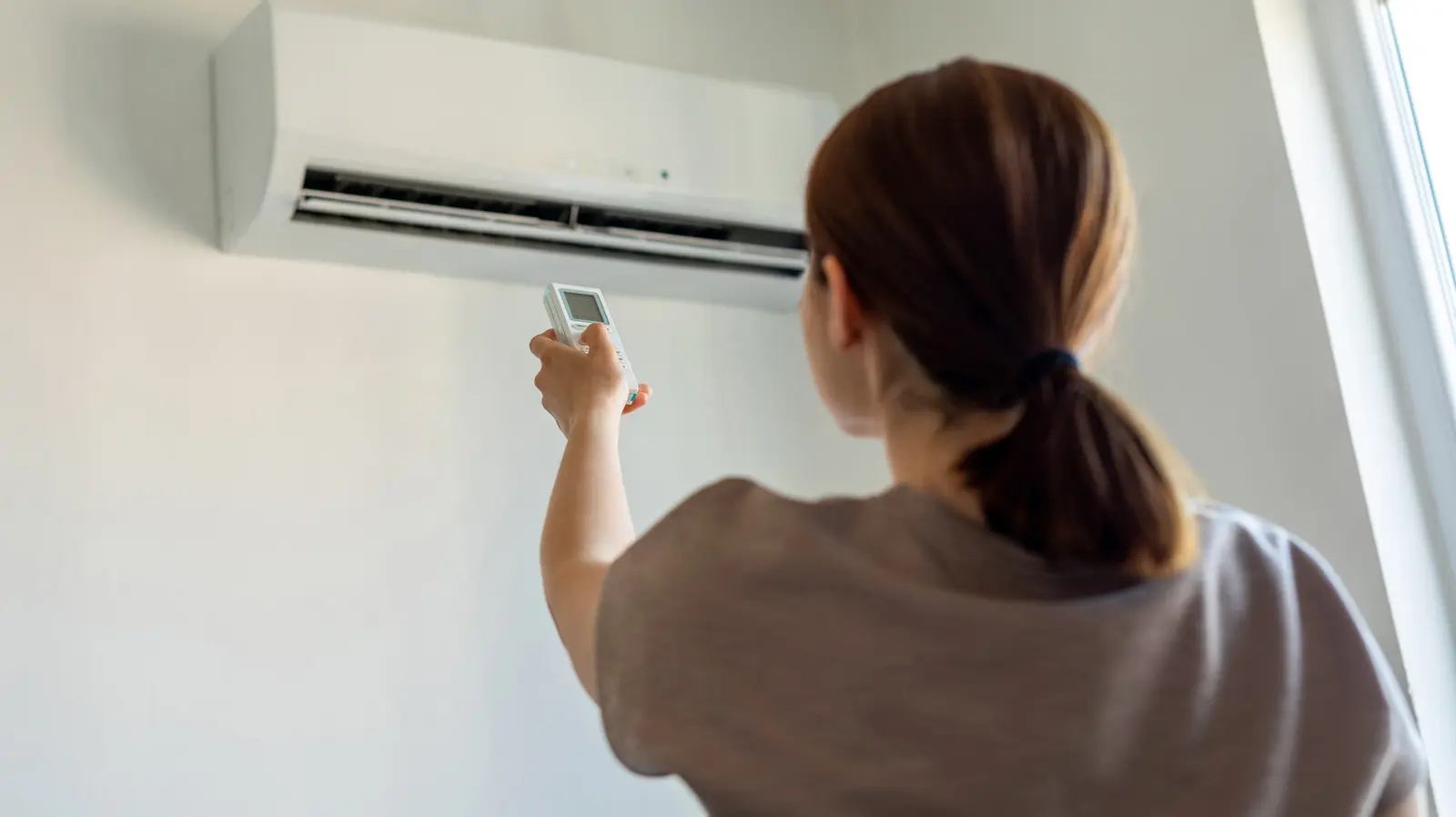
In January 2025, Southern California was ravaged by wildfires that destroyed entire communities and left vast areas shrouded in thick, ashy air. Just a few months later, in July 2026, massive wildfires in Canada sent plumes of smoke sweeping across the Midwest and northeastern United States, turning skies an eerie orange and prompting air quality alerts in major cities like New York, Chicago, and Detroit. These events have forced many families to reconsider their daily routines, especially the simple act of turning on the air conditioner to beat the summer heat. The question on many minds is whether it is safe to run the air conditioner when the air outside is filled with smoke and particulate matter.
The short answer is yes, you can still use your air conditioner during smoky conditions, but you must take specific precautions to ensure that you are not inadvertently pulling harmful pollutants into your home. The key factor is understanding how your air conditioning system operates and whether it can be configured to minimize the intake of outdoor air. Most central air conditioning systems have a mode known as "fresh air intake" or "ventilation mode," which draws in outside air to improve indoor oxygen levels. However, during a smoke event, this mode can be detrimental because it brings in smoke particles, volatile organic compounds, and other irritants. If your system has this feature, you should switch it to recirculate mode, which instead recycles the air already inside your home. This simple adjustment can drastically reduce the amount of smoke entering your living space.
Another critical component is the air filter. Standard filters are often designed to catch dust and larger particles but may not be effective against the fine particulate matter found in wildfire smoke, known as PM2.5. These microscopic particles can penetrate deep into the lungs and even enter the bloodstream, causing respiratory issues, cardiovascular problems, and other health concerns. For better protection, you should replace your existing filter with a MERV 13-rated filter or higher. MERV stands for Minimum Efficiency Reporting Value, and a rating of 13 indicates that the filter can capture at least 90% of particles in the 1 to 3 micron range, which includes smoke, dust, and pollen. However, before upgrading, check your system's specifications because some older units may not be compatible with high-MERV filters, which can restrict airflow and damage the equipment. If upgrading is not possible, at least ensure the current filter is clean and replace it more frequently during smoky periods.
Central air systems treat all the air circulating throughout the house, so by using recirculate mode and a proper filter, it becomes completely safe to run your air conditioner. The indoor air will be filtered and cooled without introducing outdoor smoke. However, the situation differs for window units and portable air conditioners. Window AC units typically use air from inside the room to cool the coils and then recirculate that same air back into the room. This means they do not draw in outside air, so they are generally safe to use as long as the seal around the unit is tight. If there are gaps between the window frame and the AC unit, outdoor smoke can seep in. You can use weather-stripping tape or foam insulation to seal these gaps effectively. If you live in an area prone to wildfires, consider investing in a window unit that has a high-efficiency filter built in.
Portable air conditioners that require a vent hose to exhaust hot air outside pose a bigger risk. These units typically draw air from the room to cool the internal components, but the exhaust hose can create negative pressure that pulls in outdoor air through other cracks or openings. Moreover, some dual-hose portable units have an intake hose that actively brings in outside air for cooling, which directly introduces smoke into the room. For these reasons, experts generally advise against using any portable air conditioner that vents to the outside during periods of poor air quality. If you must use one, check whether it has a recirculate option and ensure that the exhaust hose is well-sealed and not drawing in smoke. Many newer models have filters on the intake, but they may not be sufficient for heavy smoke.
How to keep your air quality free of smoke while using AC
Beyond adjusting your air conditioner settings, there are several other steps you can take to maintain clean indoor air when smoke is present. First and foremost, close all windows and doors tightly. This includes sliding glass doors, storm windows, and any other potential entry points for outdoor air. If your home has poor insulation, consider using weather-sealing tape or draft stoppers to block gaps. You might also want to use fans to help circulate the air indoors, especially if your air conditioner lacks a recirculate mode. However, be cautious with ceiling fans: they can stir up dust that has settled on surfaces, so clean them regularly and consider running them only when necessary.
Investing in portable air purifiers is one of the most effective ways to improve indoor air quality during a wildfire. Place an air purifier in the room where you spend the most time, such as the living room or bedroom. For larger homes, you may need one unit per room. Look for purifiers with a HEPA (High-Efficiency Particulate Air) filter, which can capture 99.97% of particles as small as 0.3 microns. Some models also include activated carbon filters to remove odors and volatile organic compounds from smoke. If you are on a budget, a simple DIY option is to attach a high-efficiency furnace filter to a box fan, creating a makeshift air cleaner. This can be effective for smaller rooms, but ensure the fan is placed securely and the filter is changed frequently.
It is also important to avoid activities that generate additional indoor pollutants. Do not smoke indoors, burn candles, or use incense. Avoid using a gas stove, oven, or fireplace, as these can emit carbon monoxide and other harmful gases. Even cooking with oil can produce smoke particles. If you need to cook, use an exhaust fan that vents to the outside, but be aware that this can also create negative pressure that draws in outdoor air. In some cases, it may be better to eat cold meals or use a microwave during severe smoke events. Additionally, avoid vacuuming with a standard vacuum cleaner, as it can stir up dust and allergens that have settled on floors and furniture. If you must vacuum, use a model with a HEPA filter and wear a mask while doing so.
If you are still concerned about your indoor air quality, you can also monitor it with an air quality monitor. These devices measure PM2.5, carbon dioxide, humidity, and sometimes volatile organic compounds. Many are affordable and connect to smartphone apps, giving you real-time data. If the monitor shows elevated levels, you can take corrective actions, such as running your air purifier on a higher setting or checking for leaks around doors and windows. For maximum personal protection, especially if you have a pre-existing respiratory condition like asthma or COPD, consider wearing an N95 respirator when moving through your home, particularly if you are in close proximity to doors or windows. An N95 mask filters out at least 95% of airborne particles, including those found in wildfire smoke.
Wildfire smoke is a complex mixture of gases and fine particles, and the health effects can range from minor irritation of the eyes and throat to serious cardiovascular and respiratory issues. Children, older adults, and people with heart or lung disease are especially vulnerable. By understanding how your air conditioning system works and taking proactive steps to seal your home, upgrade filters, and use air purifiers, you can significantly reduce your exposure. The key message is that air conditioning itself is not the enemy; it is how you use it that matters. During smoky periods, your AC can actually be a valuable tool for keeping indoor air clean and cool, provided you choose the right settings and maintain proper filtration.
When the air quality index (AQI) reaches unhealthy levels, it is wise to stay indoors as much as possible. But staying indoors does not mean you have to suffer through stifling heat. Modern air conditioners, when operated correctly, can be part of your home's defense system against wildfire smoke. The technological improvements in filter design and air circulation modes have made it easier for homeowners to protect themselves. Additionally, many newer central air systems come equipped with smart sensors that automatically adjust intake based on outdoor air quality. If you are considering an upgrade, look for systems that have built-in air quality monitoring and recirculate functionality.
In areas frequently affected by wildfires, such as California, Oregon, and Washington, local health departments often provide guidance on preparing for smoke events. They recommend creating a clean room in your home with a portable air purifier, sealing doors and windows, and avoiding the use of swamp coolers or whole-house fans that draw in outside air. Swamp coolers, also known as evaporative coolers, are particularly problematic because they rely on pulling in large volumes of outdoor air to function. If you have one, do not run it during a smoke event. Instead, use a standard air conditioner or consider installing a split-system unit that does not require ductwork and can recirculate indoor air.
Historical context is important: the 2025 Southern California wildfires and the 2026 Canadian fires are part of a growing trend of more frequent and intense wildfires due to climate change. Warmer temperatures, prolonged droughts, and changes in forest management have created conditions that allow fires to burn larger and longer. This means that smoky conditions are likely to become a recurring summer issue in many parts of North America. For this reason, it is wise to invest in long-term solutions, such as upgrading your home's HVAC system to include high-efficiency filtration and possibly a dedicated fresh air intake with a pre-filter. Some homeowners are even installing whole-house air purification systems that can handle extreme smoke events.
To summarize the essential steps: check your air conditioner's settings and use recirculate mode; ensure your filter is clean and at least MERV 13 rated; seal all openings around window units; avoid portable units with outdoor vents; close all windows and doors; use fans to circulate indoor air; invest in HEPA air purifiers; avoid indoor combustion activities like smoking or burning candles; monitor indoor air quality with a sensor; and consider wearing an N95 mask if necessary. By following these guidelines, you can stay cool and breathe easier even when the air outside is thick with smoke. The goal is not merely to survive the smoky season but to maintain a comfortable and healthy living environment until the skies clear.
As we look ahead, it is clear that adaptation will be key. Communities are beginning to integrate air quality considerations into building codes and emergency planning. Some new homes are being designed with sealed envelopes and integrated filtration systems that can operate independently of windows. Public awareness campaigns emphasize the importance of staying inside during smoke events and using air conditioning wisely. While the smoke may force us to change our habits, it does not have to compromise our health or comfort.
Source: SlashGear News