

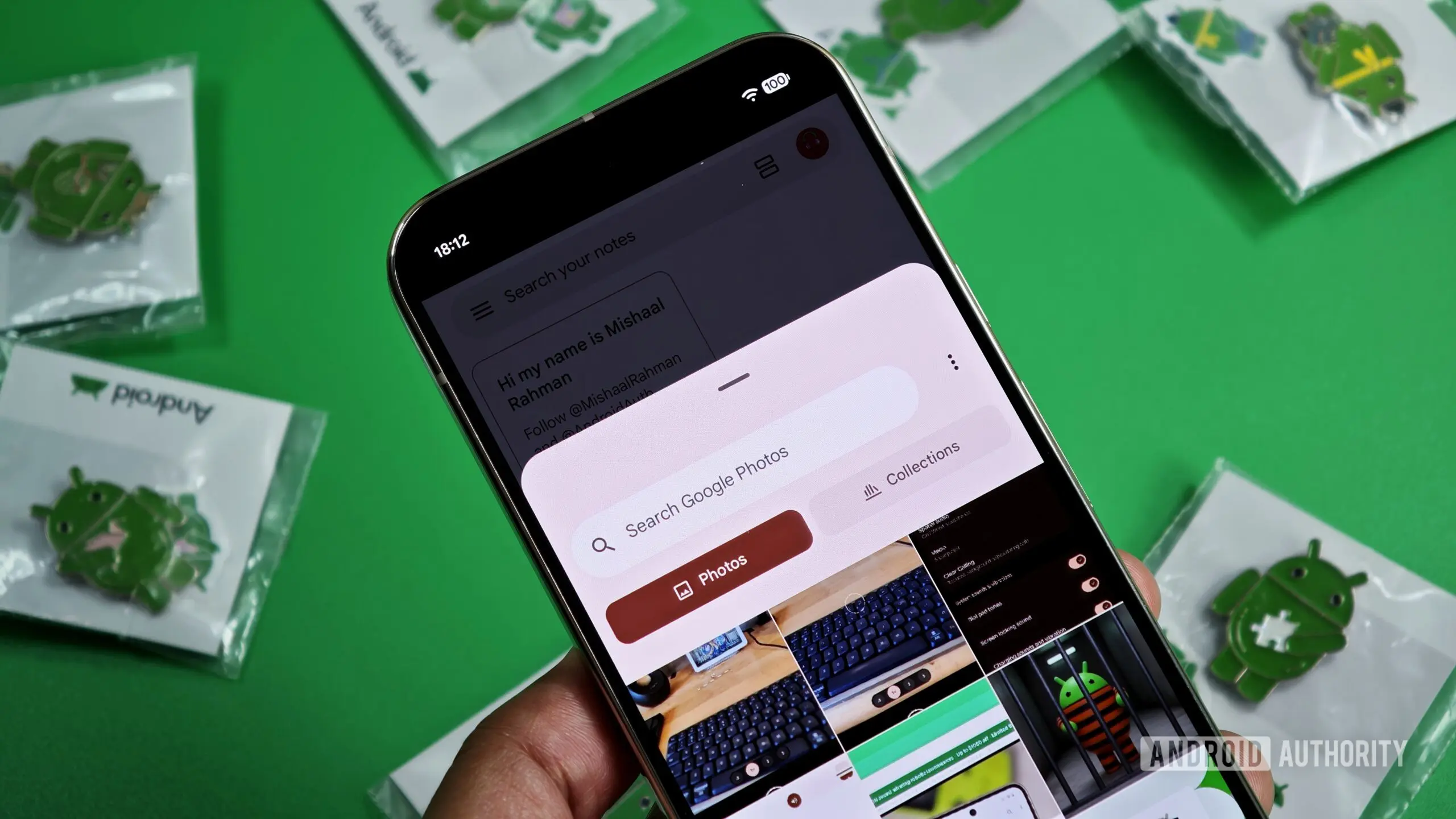
Snapseed, one of the most popular photo editing applications for Android, has become the first app to support a significant new privacy feature in Android's Photo Picker. The feature, introduced as part of the August Mainline update, gives users the ability to decide whether location metadata is retained or removed when they select images from the system photo picker. This move marks an important step in giving Android users granular control over sensitive data that is often embedded in photos without their explicit awareness.
The photo editor, which is developed by Google, now displays a prompt when you choose an image via Android's Photo Picker. The prompt asks whether you want to include the image's location information. Additionally, a floating toggle appears in the bottom-right corner of the Photo Picker interface, allowing users to quickly switch location metadata access on or off. When the toggle is disabled, a crossed-out icon appears, indicating that location data will not be shared with the app. This level of user control is a welcome addition, especially for those who regularly handle sensitive photographs or prefer to keep their whereabouts private.
What Are the New Location Data Controls?
Google has been steadily improving Android's Photo Picker, which serves as a standardized system interface for selecting images and videos across apps. The new location metadata API is a key part of this evolution. It addresses a long-standing privacy concern: the fact that photos often contain EXIF data, including GPS coordinates, that can reveal where a picture was taken. In many cases, users are unaware that this metadata is present, and they may unintentionally share their location when sending or posting images.
Previously, the system Photo Picker stripped location metadata by default, which prevented apps from accessing that data. However, there was no straightforward way for users to retain location information for images when they wanted to. The new API changes this by providing a user prompt and a control toggle, effectively handing the decision over to the user at the moment of selection. This is a subtle but powerful shift—it acknowledges that location data is not inherently harmful, and that there are legitimate reasons an app might need it, such as when organizing a photo library by location or adding geotags to an image.
Snapseed's Implementation
Snapseed, with version 4.1.5.970833206, has embraced this new API. When a user picks an image from the Photo Picker to edit, the app now asks whether they want to include the picture's location info. This prompt appears before the image is loaded into the editor, giving users a chance to make an informed decision. If the user chooses to exclude location data, the app will never have access to it, ensuring that the edited image will not retain GPS coordinates unless the user explicitly adds them later.
The floating location info toggle in the bottom-right corner of the Photo Picker is a neat addition. It allows users to change their mind mid-selection, without having to back out and start over. This is particularly useful if you accidentally tap the wrong option in the prompt, or if you realize that you need to include location data for a specific image after initially opting out. The toggle is intuitive—a simple tap disables or enables the location metadata access, and the visual change in the icon makes it clear which state is active.
Why Location Metadata Matters
Location metadata has been a topic of concern for privacy advocates for years. Many smartphone cameras automatically embed GPS coordinates into every photo they take. When these photos are shared online, whether through social media, messaging apps, or even email, the location data can be read by anyone who receives or intercepts the file. This can lead to unintended revelations about a person's home address, workplace, daily routines, or even their whereabouts at a specific moment in time.
On the other hand, there are legitimate reasons to keep location data. Photographers, travel bloggers, and journalists may need to preserve the exact location for documentation or organizational purposes. For instance, a researcher studying urban wildlife might rely on geotagged images to track animal sightings. Similarly, someone building a family photo album might appreciate knowing where each photo was taken. The new Android feature balances these competing needs by giving the user control at the point of selection.
Snapseed's support for this API is particularly important because photo editing apps often strip location data as a matter of course. Many image editors remove EXIF data when exporting an edited image, which can be frustrating for users who rely on that information. With this new implementation, Snapseed users can choose to keep the location data intact, avoiding the need to re-add it manually. This is a significant convenience for those who care about metadata preservation.
How Android Photo Picker Works
Android's Photo Picker is a relatively recent addition to the mobile operating system. It was initially rolled out in 2022 as a Google Play services update, and later integrated into the Android platform itself. The Photo Picker provides a consistent, secure interface for apps to access photos and videos, without granting the broad storage permissions that were previously required. It is designed to protect user privacy by allowing apps to access only the specific media items that the user selects, rather than the entire media library.
The location metadata API is the latest enhancement to the Photo Picker. It is part of the August Mainline update, which means it is delivered through Google's modular system updates. Mainline updates allow Google to push important system changes directly to devices without requiring a full OS upgrade from manufacturers. This ensures that a wide range of Android devices receive critical improvements, security patches, and new features in a timely manner. The fact that this feature is available via Mainline means that it can reach millions of devices quickly, even those that are no longer receiving regular security patches from their OEMs.
Using the Photo Picker is straightforward. When an app requests an image, the system displays the picker UI, which includes a grid of all photos and videos on the device. The user can browse, search, and select items to share or edit. With the new API, the picker also includes a location metadata toggle. When the user selects an image and then taps the toggle, the system either grants or denies the app’s access to the location data embedded in that image. The app is completely unaware of the user's choice until it tries to read the metadata—at which point it will receive either the location information or a null value.
The Significance of Snapseed Being First
It is no surprise that Snapseed is the first app to implement this new API. Snapseed is a Google product, and Google has been actively promoting the Photo Picker and its privacy features. By integrating the location metadata API into Snapseed, Google is setting an example for other app developers. It demonstrates how easy it is to incorporate this functionality and highlights the potential benefits for users. It also puts pressure on rival photo editing apps, such as Adobe Lightroom and PicsArt, to follow suit and offer similar controls.
Snapseed has been a fan-favorite since it was first released in 2012. It became popular for its professional-grade tools, intuitive interface, and free-to-use model. Google acquired Snapseed in its acquisition of Nik Software in 2012, and the app remained available to users, receiving regular updates and improvements. This long history has built a loyal user base, and the app is often cited as one of the best Android photo editors. Introducing a privacy feature first in such a well-known app is an excellent way to raise awareness about the new API and its capabilities.
From a technical perspective, Snapseed's implementation appears simple and unobtrusive. The prompt is clear and does not disrupt the user's workflow. The floating toggle is a thoughtful addition that makes the feature more accessible. This smooth experience is likely due to Google's close relationship with the Android platform team, which allows for early access to APIs and thorough testing. For third-party developers, this integration serves as a reference implementation that can be adapted to their own apps.
What This Means for the Future
With Snapseed now supporting the new location data controls, it is likely that other apps will soon follow. Photo editing apps are not the only ones that can benefit from this feature. Social media apps, file managers, and even messaging apps that allow users to share images could integrate this API to give users more control over their metadata. The ability to selectively include or exclude location data is a powerful tool for privacy-conscious users, and it is reasonable to expect that the broader Android ecosystem will embrace it.
The August Mainline update is already rolling out to compatible devices, so the Photo Picker location metadata API is available to many users around the world. However, not all apps will immediately adopt the new feature. It takes time for developers to implement new APIs, test them, and release updates. Snapseed's early support sets a pace that others may feel compelled to follow, especially if users begin to demand similar controls in their favorite apps.
For users, the key takeaway is that you now have more control over your location data when using Android's Photo Picker. If you use Snapseed, you can decide on a per-image basis whether to include location information. This is a major improvement over the previous situation, where location data was either stripped entirely or included without your explicit consent. As more apps adopt this API, you will likely find that you have this choice in many other contexts as well.
Ultimately, this feature is a win for user privacy and transparency. It empowers individuals to make informed decisions about their data, and it encourages developers to be more thoughtful about the metadata they collect and process. While there is still a long way to go in terms of data privacy on mobile devices, the new location controls in Android's Photo Picker are a positive step forward. Snapseed's early adoption of the API proves that such features are both feasible and practical, and it sets a precedent that other apps should follow.
The next time you open Snapseed to edit a photo, pay attention to the prompt that appears. You will now have the option to keep or remove the location data associated with that image. Whether you choose to preserve the GPS coordinates for your own records or strip them to protect your privacy, the power is in your hands. This is exactly the kind of user-centered design that we should expect from modern technology.
Source: Android Authority News