

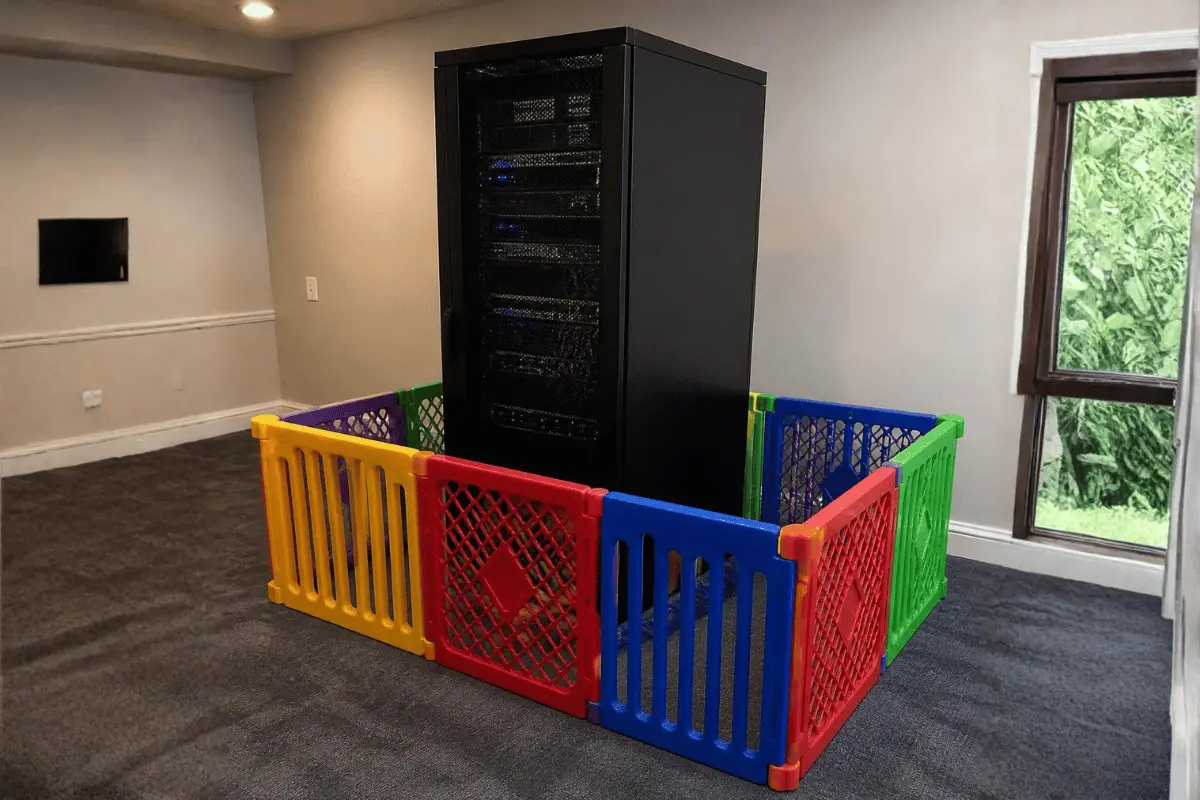
OpenAI Hits the Brakes on Cyber AI
OpenAI has reportedly slowed or paused the rollout of advanced cyber capabilities in its models after internal evaluations found the AI was becoming too effective at tasks such as identifying software vulnerabilities, writing exploit code, and chaining attacks. The company has not publicly detailed the exact features affected, but people familiar with the matter say safety teams flagged the potential for misuse by malicious actors. The concern is not that the AI is sentient or acting on its own, but that it can dramatically lower the skill barrier for cyberattacks. A model that can scan code, suggest entry points, and generate working exploits in minutes could be repurposed by criminals, state-backed groups, or even curious users with harmful intent.
The pause highlights a broader tension in the AI industry: the same capabilities that make models useful for defensive security, such as finding bugs before attackers do, can also be turned against systems. OpenAI has previously said it uses a mix of automated evaluations, red teaming, and staged deployment to manage these risks. But as models grow more capable, the line between helpful and dangerous becomes harder to police. Regulators in the United States, European Union, and United Kingdom have all signaled interest in how frontier AI labs handle cyber risks, and any incident involving an AI-generated attack could trigger rapid new rules.
Trump Administration Tells Court AI Training Is Fair Use — and Copyright Holders May Want to Sit Down for This One
The Trump administration has told a federal court that training AI models on copyrighted material is fair use, a position that could reshape the legal landscape for generative AI. The filing argues that using books, articles, images, and other works to teach machines is transformative because the output is not a copy of the original. Copyright holders, including publishers, authors, and artists, have pushed back, saying their work is being ingested without permission or payment. The case is likely to become a landmark for how courts interpret fair use in the AI era. If the administration's view prevails, AI companies could face fewer legal barriers to training on vast datasets. If it fails, the industry may need to license more content, raising costs and slowing development.
John Ternus Says 'Hello' To Apple's Post-Cook Era
Apple executive John Ternus has emerged as a central figure in speculation about the company's post-Tim Cook era. Ternus, who oversees hardware engineering, has been increasingly visible in product launches and internal strategy. His profile suggests Apple may be preparing for a leadership transition that emphasizes deep hardware integration, silicon, and device-level AI. Cook has not announced a departure, but his tenure is now measured in years, and succession planning is a normal part of any large company. Ternus is known for his work on the Mac transition to Apple silicon and the iPhone's engineering roadmap. If he were to take a larger role, it would signal that Apple sees hardware as the foundation for its next wave of AI-powered services.
Google Expert Intelligence Adds AI Tools to Ebooks, but Only Through Google Play
Google has introduced Expert Intelligence, a set of AI tools for ebooks that is available only through Google Play. The feature can generate summaries, answer questions about a book, and create study aids, all within the ebook reading experience. By limiting it to Google Play, Google is using AI to differentiate its bookstore from rivals such as Amazon Kindle and Apple Books. For authors and publishers, the tool could boost engagement by helping readers understand dense material, but it also raises questions about how AI interacts with copyrighted text. Google says the tools are designed to complement, not replace, the original work. The move is part of a wider push to embed AI into everyday productivity and media consumption.
Google's AI Mode Is Turning Search Into a Travel Agent
Google's AI Mode is expanding beyond simple answers and into travel planning. The feature can now help users build itineraries, compare destinations, suggest flights and hotels, and refine plans based on budget or interests. It effectively turns search into a conversational travel agent. For travelers, that could mean less time jumping between tabs and more personalized recommendations. For the travel industry, it raises the stakes for websites that rely on search traffic. If Google answers travel queries directly, airlines, hotels, and agencies may need new ways to reach customers. The shift also highlights how AI is changing the economics of the web, where informational sites can be bypassed by a single generated response.
Apple's New Mac Mini Shows How Always-On AI Could Change Personal Computing
Apple's new Mac Mini is being positioned as a compact desktop that can run AI tasks locally and stay on around the clock. With a small footprint and efficient Apple silicon, it can serve as a home hub for smart devices, a local AI server, or an always-available assistant. Running AI on-device offers privacy benefits because data does not need to leave the home. It also reduces latency and cloud costs. The idea of an always-on personal computer is not new, but AI makes it more useful. A Mac Mini could manage home automation, transcribe meetings, monitor security cameras, or run small language models for personal workflows. This points to a future where personal computing is less about a screen and more about persistent, ambient intelligence.
SpaceX's $100bn Louisiana Starbase Is Ready for Lift-Off
SpaceX's Louisiana Starbase, a facility valued at roughly $100 billion, is reportedly ready for launch operations. The site is expected to support Starship and other heavy-lift missions. The investment reflects SpaceX's ambition to increase launch cadence and reduce the cost of reaching orbit. Louisiana offers access to the Gulf of Mexico, which is useful for certain launch trajectories and recovery operations. The project could bring thousands of jobs and significant economic activity to the region. It also intensifies competition in the commercial space industry, where rivals are racing to build reusable rockets and satellite constellations. If the Starbase becomes fully operational, it could become a key node in SpaceX's plans for lunar and Mars missions.
'That's Between You, Me, and ChatGPT' — Every Apple iMessage Conversation Is Now a Privacy Risk
Apple's integration of ChatGPT into iMessage and other services has raised privacy concerns. When users ask for help with writing, summarization, or complex questions, some data may be sent to OpenAI's servers. Apple has said it uses on-device processing and private cloud compute to limit exposure, but the mere possibility of conversations being routed to a third-party AI has alarmed privacy advocates. iMessage has long been praised for end-to-end encryption, but AI features can create new paths for data to leave the secure bubble. Users may not always know when ChatGPT is involved. The issue is not unique to Apple; every company adding generative AI to messaging must balance convenience with confidentiality. For now, the safest approach is to avoid sharing sensitive information in any AI-assisted chat.
Xfinity's New Motion Detection Turns Your Router Into a Security System
Xfinity has launched a new motion detection feature that turns its routers into a home security system. Using Wi-Fi sensing, the router can detect movement in a room without cameras. The technology works by analyzing changes in wireless signals caused by people moving. It can trigger alerts, turn on lights, or integrate with other smart home devices. For consumers, it offers a low-cost way to add basic security and automation. For privacy advocates, it raises questions about continuous monitoring and data collection. Xfinity says the system does not capture images or audio, but it still creates a record of activity in the home. As routers become more powerful, they are evolving from simple gateways into sensors that understand the physical environment.
Source: Techopedia News