

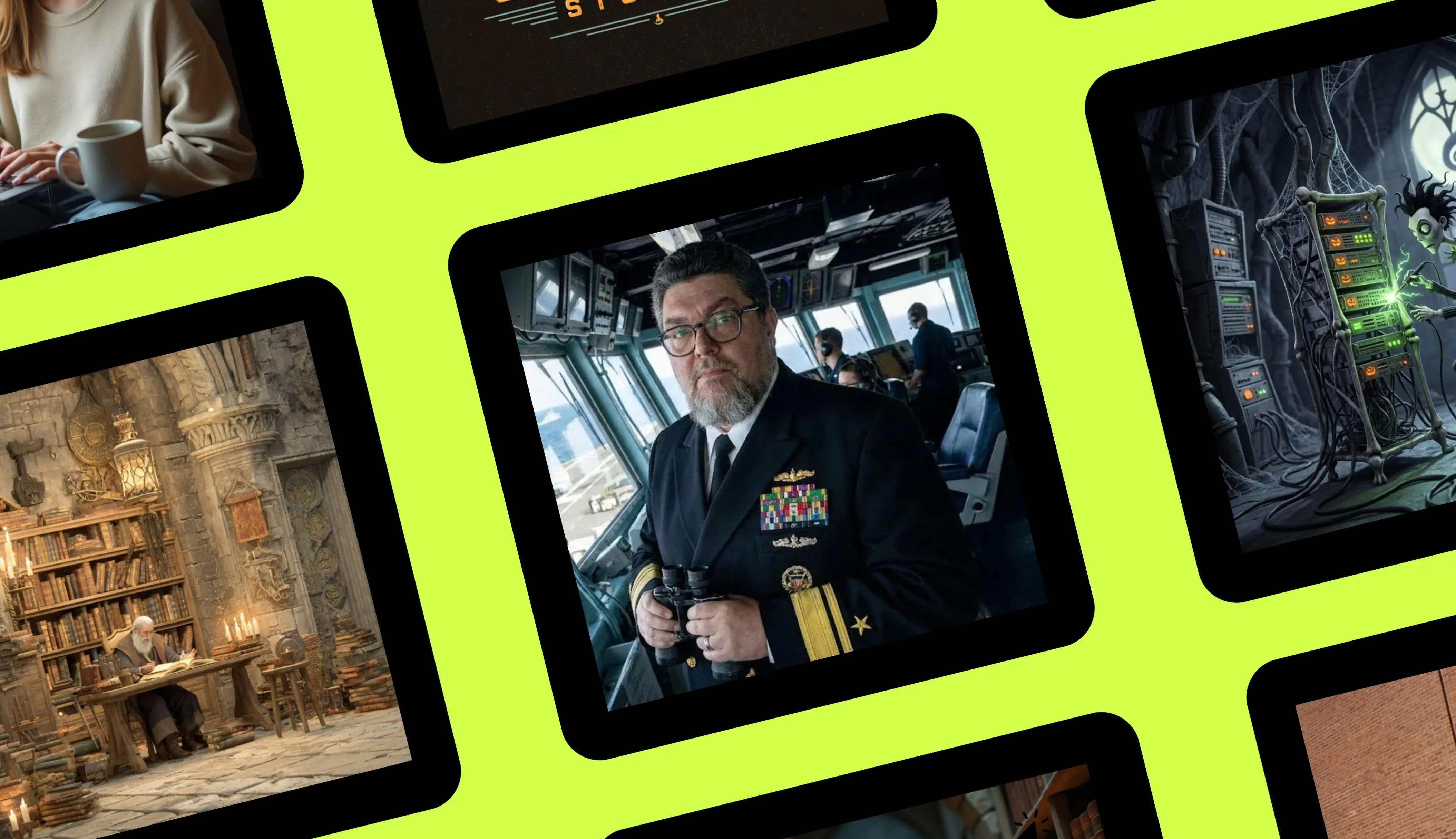
Generative image tools have come a long way since the first consumer AI art services appeared in early 2023. Back then, the magic was simply seeing a model write coherent paragraphs and turn text into plausible, sometimes photorealistic pictures. Three years later, expectations are much higher. A 2026 comparison of six paid AI image generators shows an unusually wide gap between the front-runner and the rest of the field. When the same nine challenging prompts were fed to Google, OpenAI, Midjourney, Adobe, Leonardo, and Canva, only one tool earned what the review process called a near-perfect score: Google's Nano Banana Pro, built into Gemini 3.
How the 2026 test worked
The test was not a casual side-by-side. The tester paid for all subscriptions, generated more than 50 images, and scored each tool across 30 individual evaluations. The prompts fell into four main categories: revising existing images, generating original images, putting readable text on images, and using pop-culture references. Every image was created in a 1:1 square ratio so that results could be compared without distortion. The final aggregate scores told a stark story: Nano Banana Pro won with 93%, ChatGPT finished second at 74%, Midjourney reached 57%, Adobe Firefly hit 54%, Leonardo AI landed at 52%, and Canva trailed at 43%. That 19-point gap between first and second is unusual in AI product testing, where rival tools often cluster close together.
Test results at a glance
- Google Nano Banana Pro: 93% — $19.99/mo as part of Google AI Pro
- ChatGPT: 74% — $20/mo as part of ChatGPT Plus
- Midjourney: 57% — from $10/mo
- Adobe Firefly: 54% — from $9.99/mo
- Leonardo AI: 52% — about $10/mo, also available in Canva plans
- Canva: 43% — Pro at $15/mo or Business at $20/mo
Why Nano Banana Pro won
The strongest proof of Nano Banana Pro's lead came from the revision tasks. The formal recontextualization test used a photo of a man walking outdoors. The prompt asked the model to dress him in a US Navy admiral’s uniform and place him on the bridge of an aircraft carrier while keeping the face unchanged. Nano Banana Pro kept the subject’s face and glasses, adjusted the angle of the head to suit the scene, put him on a believable ship bridge, and added binoculars. The uniform was not flawless under strict Navy regulations, but the overall result was far more convincing than anything produced by the other five tools.
A second revision test used a very dark black-and-white picture of a young boy standing beside a submarine. Nano Banana Pro cleaned the image into a much more visible, modern-looking photograph. It preserved the original face and period clothing. A more complicated restoration task involved an old photograph of a truck. Nano Banana Pro initially made a mistake by returning the wrong picture, then repeated an admiral image in place of the requested truck. Starting a new session solved the problem, and the truck was cleaned up and colorized. That error and a text accuracy issue on the truck cost it a few points. The truck lettering appeared to read “BADICLOGICAL DEFEKSE” instead of the intended “RADIOLOGICAL DEFENSE,” demonstrating that even the winner is not perfect when it comes to small text.
Text remains one of the hardest tasks for any image generator. Nano Banana Pro impressed in the social-media assignments. It generated a senior adult holding a modern smartphone and a student with a MacBook Pro and coffee; gender was left unspecified, and the resulting text blocks were properly placed and readable. The only oddity was that Google’s model chose to draw an iPhone when asked for a flagship smartphone. Still, correct text overlay and no mangled letters earned high marks. Many of the other tools either omitted the text, produced gibberish, or balanced coffee cups on legs.
Original-image tests included a retro-futuristic logo for a fictional studio called Space Coast Studios. Nano Banana Pro produced a serviceable logo with a palm tree, rocket, and film imagery, and the text had no spelling mistakes. A fantasy prompt asking for a medieval librarian in a candlelit stone library was rendered with the expected candles, stone architecture, and character. Pop-culture prompts were the most revealing. Asked to make a poster for a fictional fourth Back to the Future movie set in 1920s New York, Nano Banana Pro delivered a DeLorean, a skateboard, period clothing, a marquee reading “New York City 1925,” and the tagline “The Roaring Twenties Got Heavy.” Another prompt inspired by Tim Burton style and set in a data center produced an effective IT version of a Nightmare Before Christmas character. Those results helped explain the near-perfect score.
ChatGPT finished second
ChatGPT, which uses OpenAI’s image generation system inside ChatGPT, finished second at 74%. The model is better than earlier versions at preserving identities, but it still struggles with consistency. In the admiral photo test, ChatGPT kept the original face and created a credible setting, but the rank insignia on the uniform were a strange mix of lieutenant and admiral markings. The old photo restoration turned out far better than earlier attempts: a previous version had placed an adult face on the child’s body, while the new one kept the child’s face. The truck repair was also an improvement, but the lettering changed from “RADIOLOGICAL DEFENSE” to “RADIO CHEMICAL DEFENSE” with an awkward space.
ChatGPT handled the logo and librarian prompts without losing points and produced generally accurate text on the social-media posts. It lost points for placing text low and using lighter contrast that made readability weaker. The bigger problem was pop-culture requests. Some earlier attempts had produced a Back to the Future poster with a recognized DeLorean and a stylish 1920s city, plus a nightmarish IT worker with a gray complexion. However, the version tested for this ranking refused or failed the new Back to the Future and Nightmare Before Christmas prompts in a way that cost the model many points. Its ranking dropped from 81% for the previous model to 74% for the new one.
Midjourney and Adobe Firefly play different roles
Midjourney remains a favorite for cinematic, stylized work. It scored 57% in the comparison and is still a good choice for artistic exploration. The original library image was close to what many users would want: a dramatic, candlelit composition with a convincing character. Likewise, the Nightmare Before Christmas-inspired IT professional image was one of the most original pieces in the entire test. But Midjourney was weak at editing existing photos. The admiral recontextualization turned the subject into a different person, the child photo was not cleaned up, and the truck restoration changed the vehicle completely and inserted an unfamiliar woman into the frame. In social-media prompts, Midjourney did not render any text at all, so points were removed. For users who want original moody artwork and do not need precise text or photo cleanup, Midjourney still has a role.
Adobe Firefly scored 54% and is positioned as the commercial-safe option. It lives inside Adobe’s creative ecosystem and also works as a standalone web tool. Its strongest categories were logo design and broad artistic style. Its weakest areas were photo restoration and overly strict copyright filters. Firefly refused to upload a picture because the subject wore a T-shirt with a space-inspired graphic, and it blocked prompts containing the word “style” because its moderation system associated that phrasing with using artist names. After adjusting wording, social-media images could be created, but the senior adult image included a spelling error, and the student image had subtle anatomical problems. Pop-culture prompts were refused more often than they were completed, which explains its middle ranking.
Leonardo and Canva bring up the rear
Leonardo AI scored 52% and failed at the start of the revision tasks. It refused to engage with input images, but proved more capable with original art. Its logo was clean and usable, and its fantasy librarian met the prompt regardless of gender or age. However, social-media tasks showed anatomy and balance issues: a woman’s leg wrapped oddly around the MacBook and supported a coffee cup in an improbable way. The model did format a poster when asked, a rare distinction among the six tools, but the poster contained nearly unreadable gibberish text, and the depicted cars and buildings did not match the 1920s setting. Leonardo’s Nightmare-inspired data-center image was another highlight, proving that it can be an excellent tool for fantasy art.
Canva scored lowest at 43%. Canva’s image generator could create logos but often lost control elsewhere. The admiral recontextualization produced trees on the aircraft carrier, and the truck restoration lacked the truck entirely, replacing it with a bizarre scene that included a floating woman’s head. The Back to the Future poster included a usable logo and some familiar elements, but it also had gibberish text and unclear objects. A Nightmare-style prompt was denied even though the model had accepted another copyrighted-property reference moments earlier. Canva remains popular for marketing layouts and includes many design tools, but its built-in image generator alone is not competitive with the top paid models.
Across all nine prompts, the difference in usable output was dramatic. Text mistakes, face distortion, and prompt refusals are still common among most AI image generators in 2026. Nano Banana Pro did not completely avoid those issues: it had a watermark, needed a fresh session in one restoration test, and misspelled words on a vintage truck. Yet it was the only model in the comparison that could consistently handle photo revision, readable typography, and creative illustration in one place. For anyone deciding which paid subscription actually delivers reliable AI-generated images in 2026, the test points to a simple answer: Nano Banana Pro is the winner, and it is not close.
Source: ZDNET News