

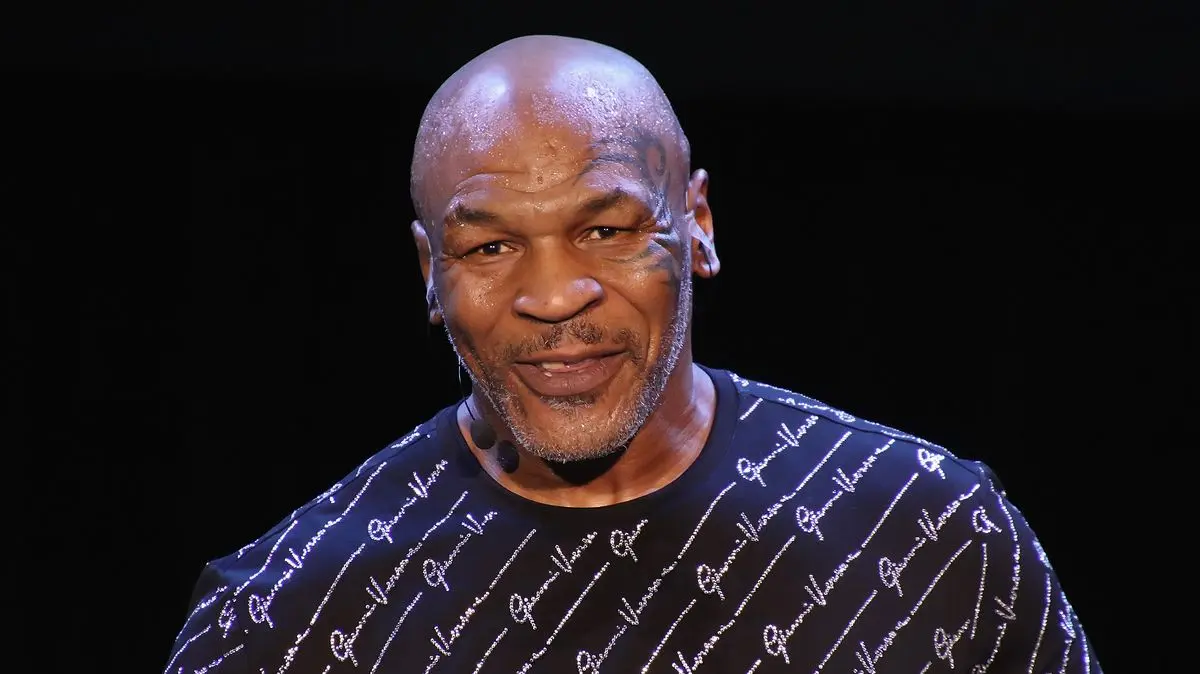
Boxing icon Mike Tyson has been accused of 'violently raping' a woman in the 1990s in a newly filed civil lawsuit. The former undisputed heavyweight world champion, now 56 years old, already served three years in prison after being convicted of rape in 1992. The fresh accusation comes from an anonymous woman who claims Tyson attacked her inside a limousine after they met at a club in Albany, New York.
The lawsuit, filed under a recently introduced New York law called the Adult Survivors Act, allows victims of sexual assault a one-year window to bring civil claims even if the alleged incidents took place many years ago. The woman is seeking more than £4 million in damages, stating that she suffered physical, psychological, and emotional injuries as a result of the alleged assault.
Allegations detailed in court documents
According to the court filing, the woman says she and a friend met Tyson inside Septembers club in Albany during the 1990s. She claims Tyson invited them to a party and offered to pick them up in his limousine. The woman wrote in the court documents: “My friend and I were hanging out with him and his limousine driver. Tyson told us about a party and asked us to join him. My friend was going to drop off her car and Tyson said he would pick her up in the limousine.”
She then described the alleged attack, writing: “Tyson immediately started to touch me and attempted to kiss me. I told him no several times and asked him to stop, but he continued to attack me. He then pulled my pants off and violently raped me.” The woman said publication of her name “would certainly pose a risk to me of further mental harm, harassment, ridicule or personal embarrassment.”
As of now, Tyson has not commented publicly on the fresh allegations. His legal team has also not issued any statement. The lawsuit adds another layer of legal scrutiny to a career already marked by both monumental sporting achievements and serious legal troubles.
Background: Tyson's 1992 rape conviction
Tyson's legal history with sexual assault allegations goes back decades. In 1991, he was accused of raping Desiree Washington, an 18-year-old beauty pageant contestant, in his hotel room in Indianapolis. Tyson was arrested, charged, and stood trial in 1992. He was convicted of one count of rape and two counts of deviate sexual conduct. The court sentenced him to six years in prison, with an additional four years suspended.
Tyson served less than three years in prison before being released on probation. In his later autobiography and various interviews, Tyson admitted that he had behaved aggressively while incarcerated. He revealed that his sentence was extended by a year because of his conduct when he first arrived at the Indiana Youth Center. Despite his conviction, Tyson always maintained his innocence regarding the Washington case, claiming that the encounter was consensual.
The 1992 conviction effectively interrupted the peak of Tyson's boxing career. Before the conviction, Tyson had become the youngest heavyweight champion in history at age 20, a record that still stands. His ferocious style, raw power, and intimidating presence made him one of the most feared fighters of his generation. He unified the WBA, WBC, and IBF titles in the late 1980s and became the undisputed champion.
The Adult Survivors Act and its impact
The current lawsuit is brought under New York's Adult Survivors Act, which was signed into law in 2022. This legislation created a one-year revival window, beginning in November 2022, for adult survivors of sexual assault to file civil lawsuits regardless of when the alleged assault occurred. The window is set to expire in November 2023. The law applies to claims that would otherwise be barred by statutes of limitations. It has already led to a wave of lawsuits against high-profile individuals, including celebrities, politicians, and entertainers.
The Adult Survivors Act mirrors the earlier Child Victims Act, which provided a similar revival window for survivors of child sexual abuse. Supporters of the Adult Survivors Act argue that many survivors need years to process their trauma and come forward. Critics, however, point out that such revival windows make it difficult for defendants to defend themselves because evidence may have deteriorated and witnesses may have died or become unavailable. Nonetheless, the law has opened the door for many civil actions that would previously have been dismissed.
In this case, the anonymous plaintiff is taking advantage of that window. Her attorney has framed the lawsuit as an attempt to seek justice and accountability for an alleged assault that occurred decades ago. The filing also requests a jury trial, which would allow a jury to determine whether Tyson is liable for damages.
Tyson's controversial legacy
Mike Tyson's life has been a whirlwind of extraordinary success and repeated controversy. Born in Brooklyn, New York, in 1966, Tyson grew up in a troubled neighbourhood. He was introduced to boxing at a young age by trainer Cus D'Amato, who became his legal guardian after Tyson's mother died. Under D'Amato's tutelage, Tyson developed into a devastating puncher with exceptional speed and agility for a heavyweight.
He turned professional in 1985 and quickly amassed a stunning knockout streak. By 1986, he had become the WBC heavyweight champion, and the following year he unified the WBA and IBF titles. His reign was marked by dominant victories over Trevor Berbick, James Smith, and Larry Holmes, among others. Tyson's popularity extended far beyond boxing, making him a global superstar and a cultural icon.
However, his personal life has been turbulent. Beyond the 1992 rape conviction, Tyson was involved in numerous incidents, including a highly publicized divorce from actress Robin Givens, financial troubles, and a notorious 1997 fight against Evander Holyfield in which Tyson bit Holyfield's ear. Tyson's career also saw a series of comeback attempts, but he never fully recaptured his earlier dominance.
The road ahead for the lawsuit
The new lawsuit against Tyson is still in its early stages. Legal experts suggest that Tyson's defence team will likely challenge the credibility of the plaintiff's claims, given the length of time that has passed since the alleged incident. They may also argue that the case should be dismissed under procedural grounds. However, because the Adult Survivors Act explicitly permits such claims, the case is likely to proceed to discovery.
Discovery is the process in which both parties exchange evidence and gather testimony. In sexual assault cases involving decades-old allegations, discovery can be particularly contentious. The plaintiff may be asked to provide detailed accounts of the incident, including any communication she had with Tyson or witnesses at the time. Tyson's team may also seek records from the club, the limousine company, or any other relevant sources.
If the case goes to trial, it would be a civil trial, not a criminal one. That means Tyson would not face the possibility of prison time. Instead, a jury would decide whether he is liable for monetary damages. The burden of proof in a civil case is lower than in a criminal case, requiring a preponderance of the evidence rather than proof beyond a reasonable doubt. This could make it easier for the plaintiff to win if the jury finds her testimony credible.
For Tyson, this lawsuit arrives at a time when he has been working to rehabilitate his public image. In recent years, he has starred in a one-man Broadway show, appeared in films and television series, and launched a successful cannabis business called Tyson Ranch. He has also become a popular podcast host, with a series called “Hotboxin' with Mike Tyson.” These ventures have helped him rebuild his brand and connect with a new generation of fans.
The fresh rape accusation threatens to complicate that comeback. Even if the lawsuit does not result in a judgment against Tyson, the public allegations could tarnish his reputation and revive memories of his previous conviction. Tyson has yet to respond, but the legal process will inevitably force him to address the claims.
Broader context of sexual assault claims in boxing
The lawsuit against Tyson also fits into a broader conversation about sexual misconduct within the sports world. Boxing, in particular, has a history of high-profile athletes accused of violence against women. The sport's culture of aggression and machismo has often been scrutinized, with critics arguing that it creates an environment that enables abusive behaviour. While many boxers have used their platform to advocate for positive change, others have faced serious allegations that have cast a shadow over their careers.
The MeToo movement has prompted many survivors to come forward, and legislation like the Adult Survivors Act has provided them with a legal avenue to pursue justice. These developments have forced sports organizations and fans to reconsider how they treat athletes accused of sexual violence. Public opinion has shifted, and many sponsors and broadcasters now prefer to distance themselves from individuals facing credible allegations.
For Tyson, the outcome of this lawsuit will depend on the evidence presented and the credibility of the parties involved. The legal system will determine whether the anonymous woman's claims have merit. Until then, the boxing legend faces a challenging period in which his past actions are once again under the microscope.
The woman's lawsuit is one of the most significant legal challenges Tyson has faced since his release from prison. As the case develops, more details are likely to emerge. For now, the boxing world and the public at large will be watching closely to see how one of the sport's most iconic figures responds to these serious accusations.
Source: Daily Mirror News