

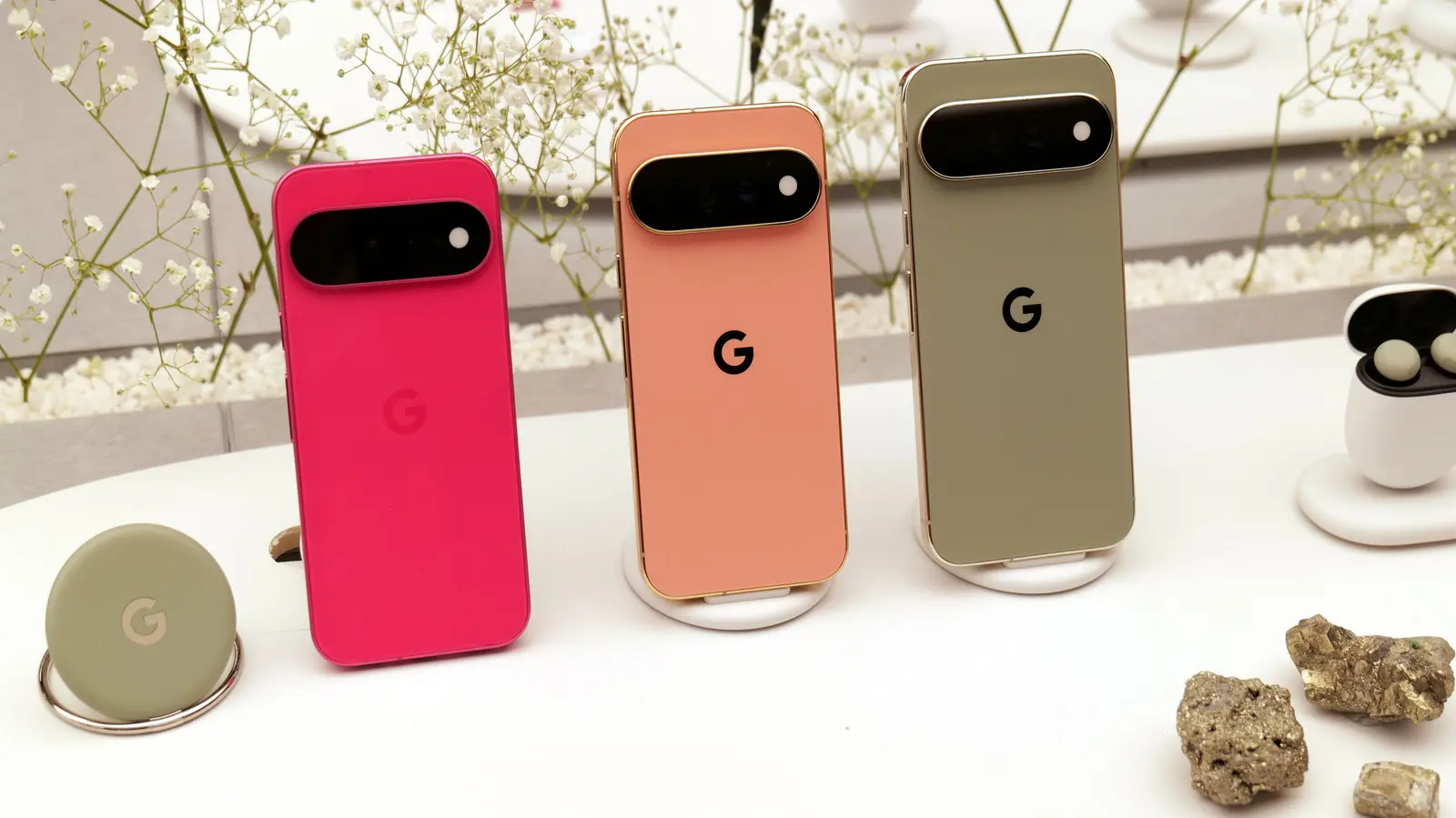
Google has unveiled its latest flagship smartphones, and the Pixel 11 family is leaning heavily into proactive artificial intelligence. With memory costs rising sharply over the past year, the company has shifted attention from raw hardware specs to software experiences that anticipate what users need before they ask. The new devices expand on Gemini Intelligence, the computer-use agent Google introduced earlier this year ahead of I/O 2026, to deliver timely alerts, contextual suggestions, and hands-on help across a variety of everyday scenarios.
A software-first Pixel generation
The smartphone industry has long been defined by camera sensors, processor speeds, and display specifications. Google's Pixel line, however, has frequently carved out a distinct identity by emphasizing intelligent software. The Pixel 11 generation continues that tradition, perhaps more than any previous release. The company argues that because memory components have become significantly more expensive, the most meaningful innovations in modern phones lie in what the device can do with the data it already has. Rather than simply adding more RAM or storage, Google is using machine learning models and context-aware systems to make the phone feel more helpful in daily life.
This strategy is not entirely new. Previous Pixel phones introduced features such as Call Screening, Hold for Me, and Now Playing, all of which rely on on-device or cloud-based intelligence. But the Pixel 11 moves further by integrating Gemini Intelligence more deeply into the operating system. The assistant is no longer just a voice interface that opens apps or answers trivia questions; it becomes an agent that can observe on-screen content, understand user intent, and take action on behalf of the user.
Proactive assistance in everyday moments
One of the central ideas behind the Pixel 11's new software is the generation of glanceable cards inside apps. For example, if a friend sends a message about an upcoming trip, the phone may automatically display a card with flight details, including whether the flight is on time or delayed. This card appears without requiring the user to navigate away from the messaging app. The goal is to reduce the friction of switching between applications to look up information.
Google also describes scenarios where the phone offers contextual help. A user texting about dinner plans might see a suggestion to make a reservation. The Pixel 11 can presumably handle the reservation process through Gemini Intelligence, acting as a digital concierge that coordinates with restaurant booking services. Similar suggestions could appear for saving events to Google Calendar, adding locations to Maps, or storing membership numbers from airline and hotel apps in Google Wallet.
These proactive features are designed to work across many surfaces on the phone. Users may receive a lock screen notification when they arrive at a new restaurant, offering insights about the menu, seating options, or the best spot for a view. This kind of location-aware assistance requires careful attention to privacy, as the phone must know where the user is and what they are doing. Google has not detailed exactly which data is processed on-device versus in the cloud, but the company says users may need a subscription for higher usage of the AI features. That suggests some of the advanced assistance depends on cloud processing and the company's AI infrastructure.
Bringing sign language to the Pixel
Google's DeepMind lab has developed a sign-language-to-text model called SL2T, and the Pixel 11 line will be the first to feature it. The model is intended for deaf and hard of hearing users, allowing them to sign at their phone to perform actions such as searching the web, composing messages, or conversing with Gemini. The technology could be transformative for accessibility, as it removes barriers that often require interpreters or third-party apps.
Sign language recognition is a complex machine learning challenge because signs involve hand shape, movement, facial expressions, and body posture. SL2T appears to handle all of these elements in real time, translating signing into text that the phone can process. Google says the feature will debut on the Pixel 11 before coming to other Android devices, which means the company is treating it as a flagship showcase. The move also aligns with Google's broader push toward inclusive AI, though the company has not yet shared details about supported sign languages or the accuracy of the model.
Magic Capture and the future of Pixel photography
No Pixel launch would feel complete without a new AI camera feature. The Pixel 11 introduces Magic Capture, a tool designed to capture fleeting moments with a single press of the shutter button. Google says the feature analyzes around 400 frames behind the scenes to produce the perfect 12-megapixel photo. The system works for subjects such as smiling babies or fast-moving scenes like a last-second basketball shot.
Magic Capture does more than select the best frame. It can automatically apply edits to improve lighting, color, and sharpness. The feature can also generate a short video clip from the captured moment without requiring the user to switch modes. This approach reflects a broader trend in smartphone photography: computational methods are replacing traditional manual settings. Instead of asking the user to choose burst mode or adjust exposure, the phone relies on machine learning to decide what matters most and preserve it.
The 12-megapixel resolution is notable because many modern smartphone cameras offer 50 or 200 megapixel sensors. Google has long favored pixel binning, a process in which multiple sensor pixels combine to produce a single image pixel. The result is often better low-light performance and dynamic range. Magic Capture's 12-megapixel output suggests that Google is optimizing for visual quality rather than raw resolution, which has been a hallmark of the Pixel brand.
Beyond static photos, the video component of Magic Capture could have implications for social media users and families who want to remember spontaneous moments. The ability to tap one button and receive both a photo and video from the same scene could change how people document events. It also reduces the need to anticipate when a moment is about to happen, since the system is effectively recording a short burst of frames before and after the shutter press.
What this means for the smartphone market
The Pixel 11's emphasis on proactive AI comes at a time when competitors are also racing to integrate generative AI into their devices. Apple has introduced its own Apple Intelligence features, Samsung has partnered with Google to bring Gemini to Galaxy devices, and Chinese manufacturers are rolling out on-device AI assistants with various capabilities. Google's advantage is its close relationship with DeepMind and its ownership of Android, which allows it to embed AI features deep into the operating system.
The subscription mention is particularly interesting. If users need to pay for higher usage, Google could create a new revenue stream beyond hardware sales. The company already offers Google One plans that include AI features, and the Pixel 11 might be a gateway to those subscriptions. However, the wording is vague, and it remains unclear what threshold constitutes 'higher usage.' Consumers may be wary of buying a premium phone only to find that key features require a monthly fee.
Privacy will also be a major factor. Proactive assistance requires the phone to collect and analyze contextual information, including messages, location, and app usage. Google has pledged to protect user privacy in the past, but the company has also faced scrutiny over data collection. The Pixel 11's ability to generate cards and suggestions based on personal conversations could raise concerns, even if the features are optional. Google will need to clearly explain what data is processed, where it is processed, and how users can control it.
For now, the Pixel 11 lineup appears to be a bold bet on the idea that the smartphone's next big leap will not be about faster chips or bigger batteries, but about anticipating what people need before they think to ask. With Gemini Intelligence, sign-language translation, and Magic Capture all debuting on the same device, Google is making a case that the full potential of AI in mobile devices has only just begun to be explored.
Source: Engadget News