

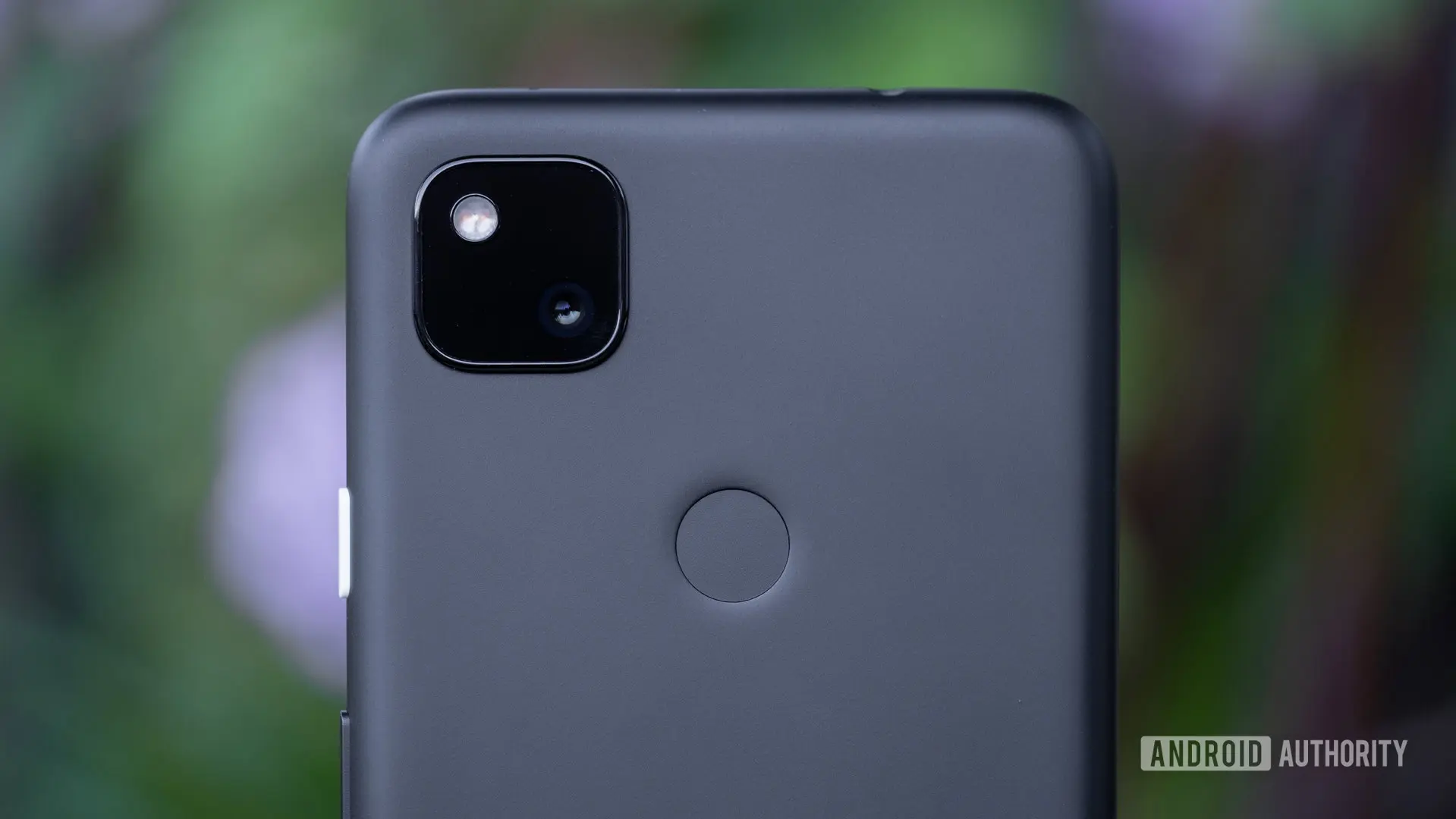
For weeks, Pixel 4a and Pixel 4 series owners have been plagued by a seemingly unstoppable boot loop problem — a scenario where the phone restarts over and over, trapping users in an endless cycle of reboots that renders the device nearly unusable. Now, relief has finally arrived. Google’s latest Play system update, distributed in late July 2026, appears to have permanently addressed the glitch, bringing these devices back to reliable operation.
The boot loop issue first gained widespread attention in late June 2026, when numerous reports surfaced on Reddit, Google’s Issue Tracker, and social media platforms. Users described their phones suddenly entering a restart loop, often triggered by a routine activity like opening an app or receiving a notification. In many cases, the only temporary workaround was to let the battery drain completely or perform a factory reset — neither of which offered a permanent solution. Google acknowledged the problem on July 1, stating that a fix would be included in the upcoming Play system update for July. That update has now been rolled out, and users on the r/Pixel4a subreddit are celebrating success.
What Caused the Boot Loop?
While Google has not published an official root-cause analysis, the boot loop is believed to have originated from a corrupted system component or an incompatible background service update. Boot loops can stem from various software issues, including faulty driver updates, misconfigured system files, or conflicts between the operating system and third-party apps. In the case of the Pixel 4a — a device launched in 2020 — the aging hardware may have become more susceptible to such errors as Google continued to push new Play services and security patches.
The Pixel 4 and Pixel 4 XL, released in late 2019, share a similar hardware architecture with the Pixel 4a, making them prone to the same bug. The issue predominantly affected devices running Android 13 and Android 14, with some users on custom ROMs also reporting problems. Google’s July Play system update, identified by system version 20260701, includes a fix specifically targeting the component responsible for the boot loop. Once installed, the device completes a final reboot and then operates normally.
How to Get the Fix
If your Pixel 4a or Pixel 4 series phone is still stuck in a boot loop, there is a recommended method to receive the update. Because the boot loop often prevents Wi-Fi from staying connected, Google advises users to disable Wi-Fi before the phone resets. Then, by switching to a mobile data connection, the device can download the Play system update over cellular. After installation, the phone should perform one more reboot and finally stabilize.
Some users have reported success using Safe Mode to apply the update, though the most straightforward approach is to rely on cellular data. If you cannot break the boot loop, you may need to perform a factory reset from Recovery Mode — provided your data is backed up. However, most affected users have been able to resolve the issue without losing data.
A Timeline of the Bug
The boot loop saga began in mid-June 2026, though isolated incidents may have occurred earlier. By the end of June, complaints had escalated to the point where Google’s support forums were flooded with threads. On July 1, a community manager posted an official acknowledgment, promising a fix within “the coming weeks.” The July Play system update began rolling out around July 20, but not all devices received it immediately due to the boot loop preventing updates. By July 29, widespread confirmation of the fix had emerged.
This is not the first time Pixel devices have suffered from boot loops. In 2022, the Pixel 6 and 6 Pro experienced a similar issue after the Android 13 update, requiring a special over-the-air fix. Older Pixel models, such as the Pixel 3, also had boot loop problems tied to battery degradation. However, the longevity of this bug — nearly two months — frustrated many users, especially those who rely on their phones for daily communication, work, and navigation.
Google’s Commitment to Older Hardware
The Pixel 4a, while popular for its compact size and excellent camera for the price, is now more than five years old. Google’s decision to continue releasing Play system updates for such legacy devices is noteworthy. While the company officially ended guaranteed software support for the Pixel 4a in August 2023, Play system updates are designed to provide security and reliability fixes beyond the major OS update window. This case demonstrates that Google is willing to patch critical bugs even on older hardware, though the delay highlights the challenges of supporting a wide range of devices with limited resources.
Competitor devices from Samsung and OnePlus often receive shorter update windows, and boot loop issues on older models are frequently left unresolved. Google’s move reinforces the value of the Pixel lineup for users seeking long-term support. However, the incident also underscores the risk of relying on monthly Play system updates — while they offer incremental improvements, they can also introduce stability issues that take time to correct.
Technical Deep Dive: How Boot Loops Happen
To understand why this bug was so persistent, it helps to know what a boot loop actually is. When an Android device powers on, it loads the bootloader, then the kernel, followed by system services and the graphical interface. If a critical service crashes repeatedly, the Android system can trigger a soft reboot, which in turn restarts the service, leading to an endless cycle. In this case, a background component from Google Play Services — likely related to account syncing or device configuration — was causing a crash on older hardware.
Google’s fix likely patches a race condition or a memory allocation error that only manifests on devices with limited RAM (Pixel 4a has 6 GB, which was generous in 2020 but now feels modest). The fix may also include a fallback routine that prevents the crash from escalating into a full system reboot. Because the update was distributed through the Play system rather than an OTA system update, it could be applied without requiring a full firmware flash.
User Stories and Reactions
On Reddit’s Pixel 4a subreddit, the mood has shifted from desperation to relief. One user wrote, “I thought my phone was bricked. I had given up and ordered a new phone, but then I tried the cellular trick and it worked. My Pixel is alive again!” Another user shared, “Google took way too long, but I’m glad they didn’t abandon us. I really love this phone.” Some users, however, expressed frustration that the patch required manual intervention: “Not everyone knows to turn off Wi-Fi. Google should have pushed the update automatically or informed people better.”
Third-party repair shops also noticed an uptick in Pixel 4a visits during the boot loop period. Many customers were told the issue was a hardware failure and were advised to replace the motherboard. With this update, thousands of devices that might have been prematurely retired can now be brought back to life.
What Pixel Owners Should Do Next
If your Pixel 4a or Pixel 4 series phone is still functioning, it is wise to install the July Play system update proactively to prevent the boot loop from ever occurring. Go to Settings → Security & Privacy → System & Updates → Google Play system update, and tap “Check for update.” Ensure your device is connected to a stable network. Even if you never experienced the problem, keeping the Play system updated is critical for ongoing security and stability.
For those who already suffered through the boot loop, now is a good time to back up important data. While the fix is effective, no update is 100% fail-safe, and prevention is always better than cure. Google continues to roll out monthly Play system updates, and future patches will likely include additional refinements.
In summary, the boot loop nightmare that haunted Pixel 4a and Pixel 4 users for two months has finally been put to rest. Google’s July Play system update provides a definitive solution, allowing these older devices to resume normal function. The incident serves as a reminder of the delicate interplay between software updates and aging hardware, but also of Google’s willingness to support its products long after most manufacturers would have moved on. For now, Pixel 4a owners can breathe easy knowing their trusty phones are once again reliable.
Source: Android Authority News