

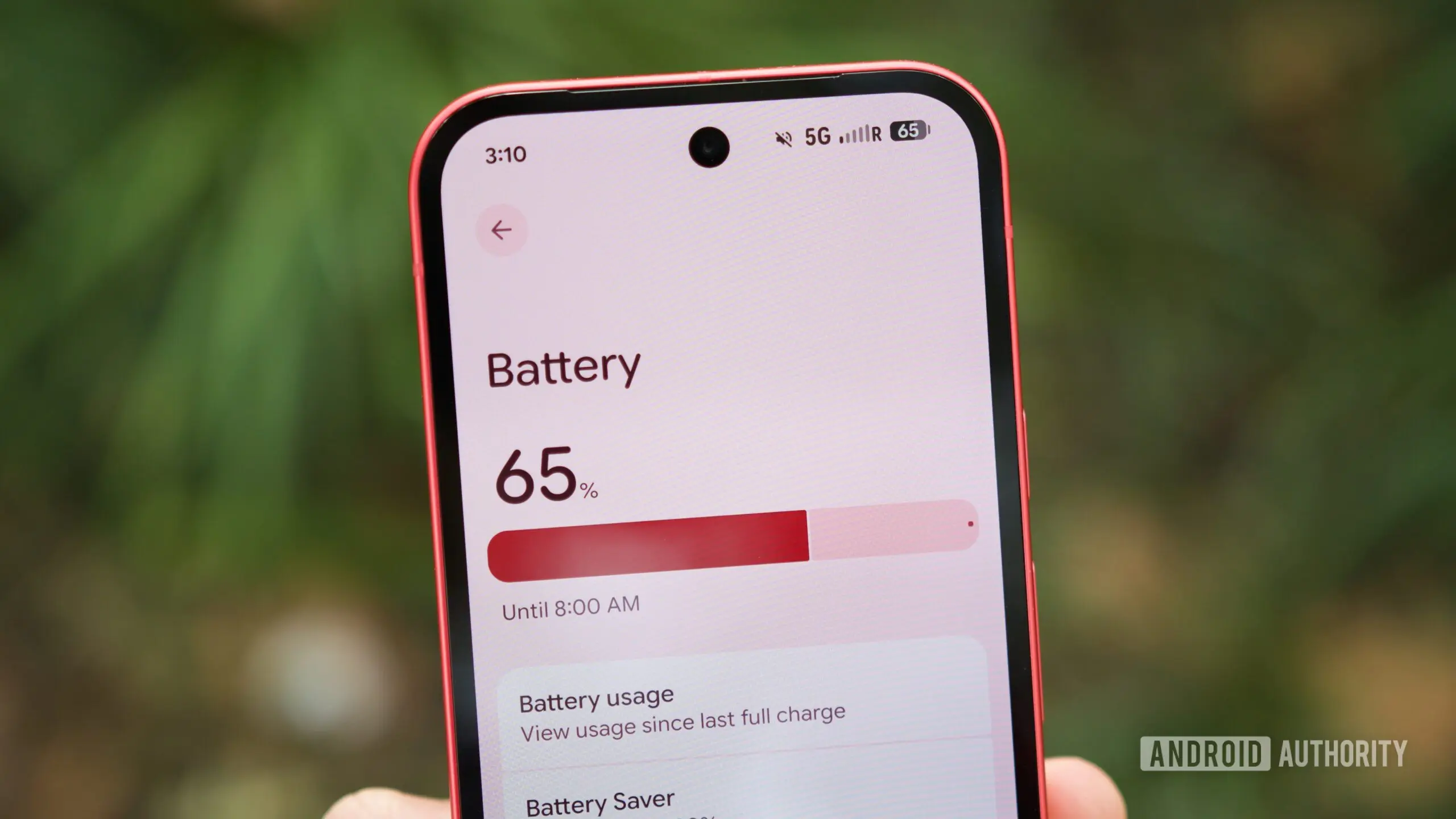
For months, Pixel owners have been grappling with a frustrating idle battery drain bug that seemed to sap power even when their phones were completely unused. The issue, which first gained widespread attention after the March 2026 Pixel Drop, caused affected devices to lose battery at an alarming rate while sitting idle. Now, Google has announced that the bug is fixed for the Pixel 9 and Pixel 10 series, but many users remain skeptical, reporting that the problem persists even after the supposed patch.
The Core of the Problem: Deep Doze and GNSS
The idle battery drain bug was rooted in a failure of the phone's hardware to enter a low-power state. Specifically, the GNSS (Global Navigation Satellite System) subsystem in affected Pixel devices repeatedly failed to transition into its low-power state. This triggered continuous hardware interrupts, preventing the Tensor processor from entering a state known as Deep Doze. Deep Doze is an enhanced version of Android's standard Doze mode, introduced in Android Marshmallow, which pauses background processes to conserve battery when the phone is not being used. When Deep Doze fails to activate, the processor remains at a higher power level, draining the battery even with the screen off and no user activity.
Users reported that enabling Airplane Mode and turning off all wireless radios did not stop the drain, indicating the issue was not related to network connectivity. Instead, it appeared to be a low-level hardware or firmware problem that prevented the device from fully idling. The bug was first reported on a Pixel 9 Pro XL, but follow-up comments from dozens of users suggested it affected a wide range of Pixel models, including the Pixel 7, Pixel 8, Pixel 9, and even some Samsung Galaxy phones. This cross-platform occurrence hinted that the root cause might be broader than Google's own hardware, possibly linked to the Android operating system or chipset drivers.
Google's Response: Marking the Bug as Fixed
In mid-2026, Google updated its public Issue Tracker, marking the bug as "Fixed" for the Pixel 9, Pixel 9 Pro, Pixel 9 Pro XL, Pixel 10, Pixel 10 Pro, Pixel 10 Pro XL, and Pixel 10a. According to the update, the fix was included in the July 2026 security update (build CP2A.260705.006). For Pixel 8a and Pixel 9a owners, the solution is scheduled for the September Quarterly Platform Release (QPR). However, the July update's changelog did not explicitly mention an idle battery drain fix, leaving users uncertain about what exactly was patched.
The lack of transparency in Google's communication has fueled skepticism. While the Issue Tracker closure suggests the company believes the problem is resolved, fresh reports from users after the update continue to describe excessive idle battery drain. Some users on forums and social media have shared screenshots showing no improvement in battery performance, while others report that the drain is less severe but still present. This discrepancy indicates that the fix may not be comprehensive or that different devices have varying underlying causes.
Technical Analysis: Why the Fix Might Not Work for Everyone
To understand why the fix may be incomplete, it's important to examine the technical aspects of the bug. The GNSS subsystem's failure to enter a low-power state could be due to a firmware bug in the Tensor processor's power management unit. Google has been customizing Tensor chips since the Pixel 6, and each generation introduces new hardware and software optimizations. The Pixel 9 and Pixel 10 use the Tensor G5 and Tensor G6, respectively, which feature updated GNSS modules. If the July patch only addressed a specific timing or interrupt handling issue in the GNSS driver, phones with slightly different hardware configurations or software environments might still experience the problem.
Additionally, the fact that Samsung Galaxy users have reported similar idle drain suggests that the bug might be related to a shared component, such as the Qualcomm Snapdragon modem or the Android kernel. Both Pixel and Samsung devices use similar Qualcomm modems for 5G connectivity, and a low-level modem firmware bug could cause similar symptoms. If Google's fix only targeted the Tensor-specific GNSS issue, users with Samsung phones or older Pixels might not be helped. This complexity underscores the challenge of diagnosing and resolving hardware-software interaction bugs across a fragmented ecosystem.
User Reactions: A Pattern of Distrust
The community response to Google's announcement has been mixed, with a strong undercurrent of frustration. Many users point out that Google has a history of marking issues as resolved on its Issue Tracker only to have them resurface later. For instance, a previous idle battery drain bug on the Pixel 6 series was marked fixed after an update, but many users continued to experience issues for months afterward. The current situation echoes that pattern, leading some to believe that Google is prioritizing closing tickets over actually solving problems.
On forums like Reddit and the Pixel community, affected users are sharing workarounds such as disabling location services, turning off 5G, or using battery saver mode. Some have even resorted to factory resets, though few report lasting improvement. The lack of a clear acknowledgment from Google about the fix's specifics has left users in a state of uncertainty, wondering whether they should exchange their devices or wait for future patches.
Impact on Pixel Brand and Future Expectations
Battery life is one of the most important metrics for smartphone users, and persistent issues like idle drain can significantly damage brand loyalty. The Pixel lineup has gained a reputation for strong camera performance and clean software, but hardware reliability has been a recurring weakness. From the Pixel 6's modem issues to the Pixel 7's overheating problems, each generation has faced some technical controversy. The idle battery drain bug, if left unresolved, could further erode trust, especially among power users who rely on their phones for long days without charging.
Google must not only fix the bug but also communicate transparently with its user base. A detailed changelog, a dedicated support post, or a blog explaining the root cause and solution would go a long way toward rebuilding confidence. Until then, the disconnect between Google's internal fixes and real-world user experiences remains a gap that the company must bridge.
Looking Ahead: The September Update and Beyond
For Pixel 8a and Pixel 9a owners, the September QPR holds promise. However, given that the July update did not fully resolve the issue for flagship models, hope is tempered. It is possible that Google has identified a more comprehensive fix that requires a full quarterly release, but without more details, users can only wait and test.
In the meantime, those affected can try several steps to mitigate battery drain: ensure all apps are updated, disable unnecessary location services, use Wi-Fi instead of mobile data when possible, and check for rogue apps using excessive background power. Additionally, reporting the issue through official channels helps Google gather more data. The more evidence the company has, the better it can pinpoint the exact cause.
The idle battery drain bug is a reminder that even mature operating systems like Android can be subject to subtle hardware-software interactions that are difficult to fix. While Google's claim of a fix is a positive step, the proof lies in user experience. Until every user can confirm that their phone lasts as long as expected while idle, the debate will continue. The community is watching closely, and the next update will be a critical test of Google's commitment to quality and user satisfaction.
Source: Android Authority News