

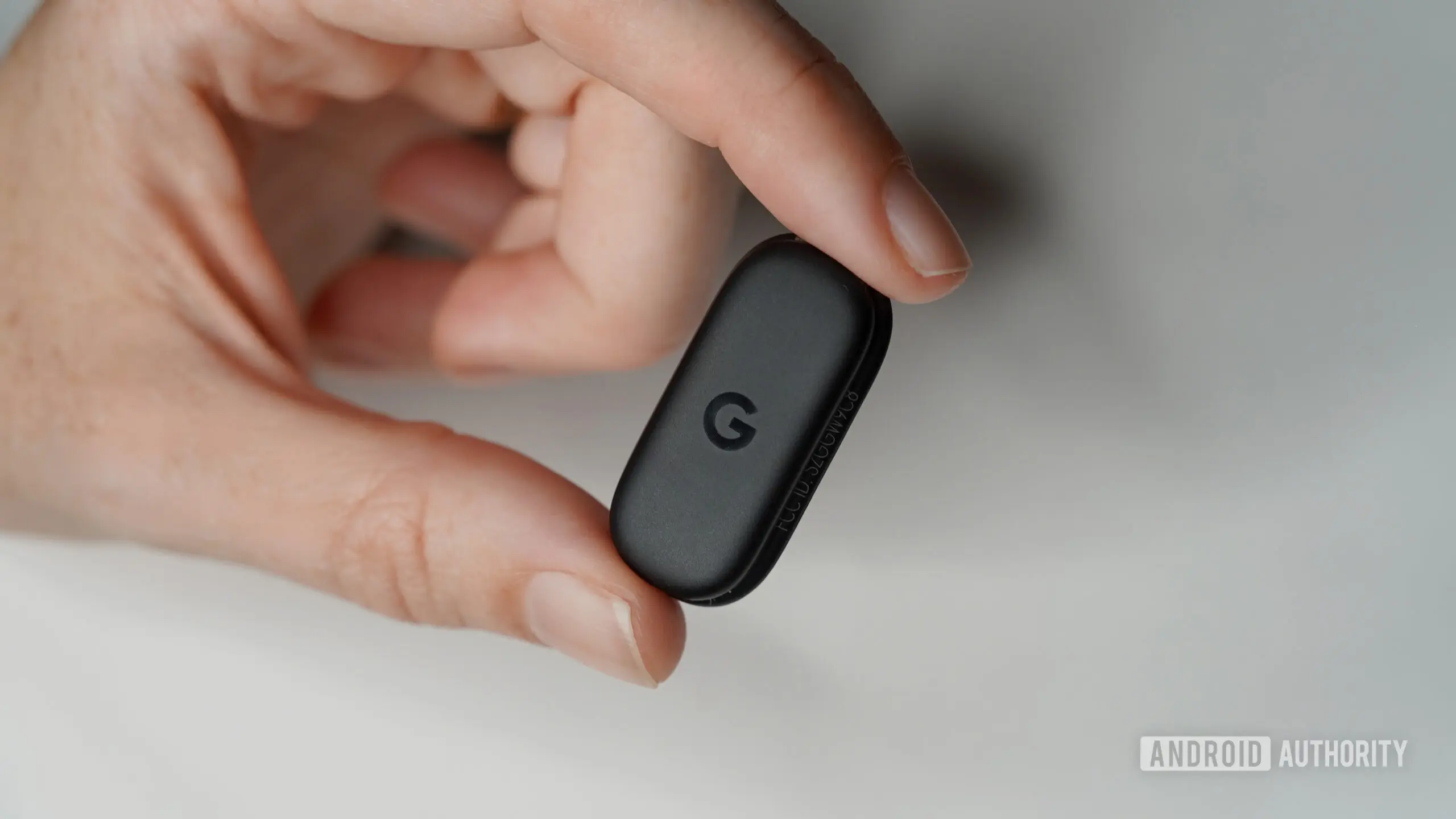
The Fitbit Air has always been a study in minimalism. It’s a small, screenless, lightweight fitness tracker that sits discreetly on your wrist, designed to do one thing well: passively track your daily activity without getting in the way. But a growing number of users have decided that even the low-profile band is too much. They’re popping the tracker’s core out of its silicone strap and attaching it directly to their skin using athletic tape, or in at least one case, simply letting it ride inside a sock.
This “bandless” approach might sound strange, but it’s gaining traction in online fitness communities. Enthusiasts are sharing photos and tips on platforms like Reddit, showing off their DIY setups. While the practice is not officially supported by Fitbit, those who have tried it say the tracker continues to record steps, heart rate, and other metrics surprisingly well when worn in unconventional locations. This has sparked a larger conversation about how flexible wearable technology really is, and whether wrist-based tracking is a hard requirement or just a default convenience.
What Is the Fitbit Air?
The Fitbit Air, launched in 2026, occupies a unique spot in the wearable market. Unlike full-fledged smartwatches with bright touchscreens and apps, the Air forgoes any display entirely. Instead, it relies on a small LED indicator and subtle vibrations to communicate basic feedback. The lack of a screen gives it exceptional battery life, often lasting up to a week on a single charge, and makes it one of the most discreet fitness trackers available. It’s also priced aggressively, making it an appealing entry point for people who want to start tracking their health without spending hundreds of dollars.
The design philosophy behind the Air is simple: by removing the screen, Fitbit eliminates distractions and encourages users to be more mindful of their movements. You don’t check your wrist every few minutes; instead, you sync the device to your phone at the end of the day to see a detailed breakdown of your activity. This passive approach has resonated with a lot of people, particularly those who dislike the constant notifications and buzzing of smartwatches.
But the Air’s minimalist design has also opened the door to creative misuse. The tracker’s small, circular body is held in place by a flexible band that wraps around the wrist. That band is easy to remove – it clips in much like a watch strap – and the tracker itself is smooth and compact. For some users, this begs the question: why wear it on your wrist at all?
The Bandless Movement
It started with a few Reddit posts. Users shared photos of themselves with the Fitbit Air taped to their biceps, a location they claimed was more comfortable and less noticeable than the wrist. Others said they preferred to wear it on their forearm, where it wouldn’t interfere with their analog watches or bracelets. The idea quickly caught on, and soon more people began experimenting with different body placements.
One of the most popular methods is using medical or athletic tape to secure the tracker to the inside of the bicep or the top of the forearm. This keeps the device hidden under a sleeve, which appeals to people who work in formal environments or simply don’t want to answer questions about why they’re wearing a small oval on their wrist. Others have reported taping the Air to their ankle, tucked under a sock, for even greater discretion.
The most extreme example comes from a user who said they wear the Fitbit Air loose inside a compression sock, letting it sit against their ankle bone. In a post, they claimed the device “reads everything as normal” – including steps, heart rate, and sleep tracking. While that might seem improbable, the sensor technology used in modern fitness trackers is more forgiving than many people assume.
Does It Actually Work?
Fitbit officially designs and calibrates the Air to be worn on the wrist. The device’s accelerometer, optical heart rate sensor, and algorithms are tuned to interpret movement and pulse data from that specific location. The wrist experiences a particular kind of motion – the swinging of the arm – which the software uses to estimate steps, distance, and calories burned. Strap the same device to your bicep, and the motion patterns change, but not necessarily in a way that breaks the tracking.
Users who have tried wearing the Air on their bicep report that step counts remain close to their baseline wrist counts. The accelerometer measures acceleration forces, not absolute position, so a bicep-mounted tracker still captures the up-and-down motion of your arm as you walk. It may slightly undercount or overcount, depending on your gait, but the margin of error appears to be small.
Heart rate tracking on the bicep is also surprisingly accurate. Optical heart rate sensors use green LED light to detect blood flow beneath the skin. While the wrist is the most common site, the bicep has a rich network of capillaries and a relatively stable tissue density, making it a viable alternative. The ankle, by contrast, might be less ideal because of the thicker skin and potential for motion artifacts, but the user who tried it reported no obvious problems.
Sleep tracking is another area where unconventional placement could theoretically cause issues. Fitbit’s sleep algorithms rely on a combination of movement and heart rate variability. A bicep-mounted tracker is less likely to pick up subtle hand movements, but it can still detect the large shifts in position that occur during the night. One user noted that their sleep stages seemed slightly different when worn on the bicep, but the overall sleep score was consistent.
The Risks and Considerations
While going bandless is a fun experiment, there are some important caveats. The most obvious is safety: you should never use standard duct tape or household adhesive on your skin. Medical-grade athletic tape, as recommended by users, is designed to be breathable and gentle on the skin, but even then, direct prolonged contact can cause irritation. The Fitbit Air’s back panel, which houses the optical sensors, is made of a smooth plastic that is generally safe for skin contact. However, taping the device tightly could trap sweat and moisture, leading to rashes or skin breakdown.
There’s also the risk of the tracker falling off and getting lost. If you use tape that becomes weak when wet, a single sweaty workout could send your Fitbit Air tumbling out of your sleeve. The sock method is arguably safer in that regard, but it introduces another problem: the device might collect lint and dust, potentially clogging the charging contacts or sensor window.
Warranty and liability are another concern. Fitbit’s warranty assumes normal wear and tear, and using the device in a manner that’s not intended could void coverage. If the tracker is dropped or damaged during an adventure with a non-standard attachment method, you might be out of luck. Furthermore, there are potential hygiene issues. The device is designed to be worn on the wrist, where it’s easy to wipe down after workouts. Taping it inside a sock exposes it to a damp, enclosed environment that could promote bacterial growth, and cleaning the device becomes harder if tape residue gets into the seams.
Why Go Bandless?
For many users, the bandless trend is more than just a novelty. It addresses real frustrations with traditional fitness trackers. Some people find wristbands uncomfortable, especially during sleep or when they’re working at a desk for long hours. Others have existing wristwear – analog watches, bracelets, or smartwatches – and want to track their activity without giving up those items. The Fitbit Air’s screenless design already made it appealing to wear alongside an analog watch on the same wrist, but the bandless approach unlocks even more possibilities.
There’s also an aesthetic component. An adhesive-backed tracker worn on the bicep is far more discreet than even the smallest wristband. It can be hidden under a blouse or suit jacket, which appeals to people who prefer to keep their health tracking private. One user described it as “the ultimate sousveillance,” allowing them to monitor their body without anyone else knowing.
The trend also reflects a growing desire for modularity in wearable tech. Instead of buying multiple devices for different purposes, users are finding ways to adapt a single device to their specific needs. The fact that the Air’s band is swappable – and the core is easily removable – makes it a natural candidate for such hacks. It’s a testament to the design that a device meant for the wrist can work just as well elsewhere.
What This Means for Wearable Design
If nothing else, the bandless trend is a valuable data point for wearable manufacturers. It shows that users are willing to experiment with where they wear their devices, and that these placements can be functionally viable. Future fitness trackers might include guidance for alternative placements or even sell specially designed adhesive mounts, similar to how some continuous glucose monitors are worn on the upper arm. Fitbit has not officially commented on the trend, but it wouldn’t be surprising to see the company acknowledge it in a future firmware update or accessories line.
The popularity of the bandless method also highlights a shift in consumer attitudes. As health tracking becomes more mainstream, people are looking for less intrusive ways to collect their data. The wrist is not sacred; it’s just the most convenient. With advances in sensor miniaturization and algorithm robustness, we might see more trackers that are designed to be worn anywhere, with software that adapts to the sensor’s location.
For now, the Fitbit Air remains a wrist-centric device, but its users are rewriting the rulebook one piece of tape at a time. Whether you’re considering going bandless or you’re just curious about the trend, it’s a reminder that technology is what you make of it. Just make sure to use skin-safe tape, keep the device clean, and always have a backup plan in case your tracker decides to go on an unplanned stroll without you.
Source: Android Authority News