

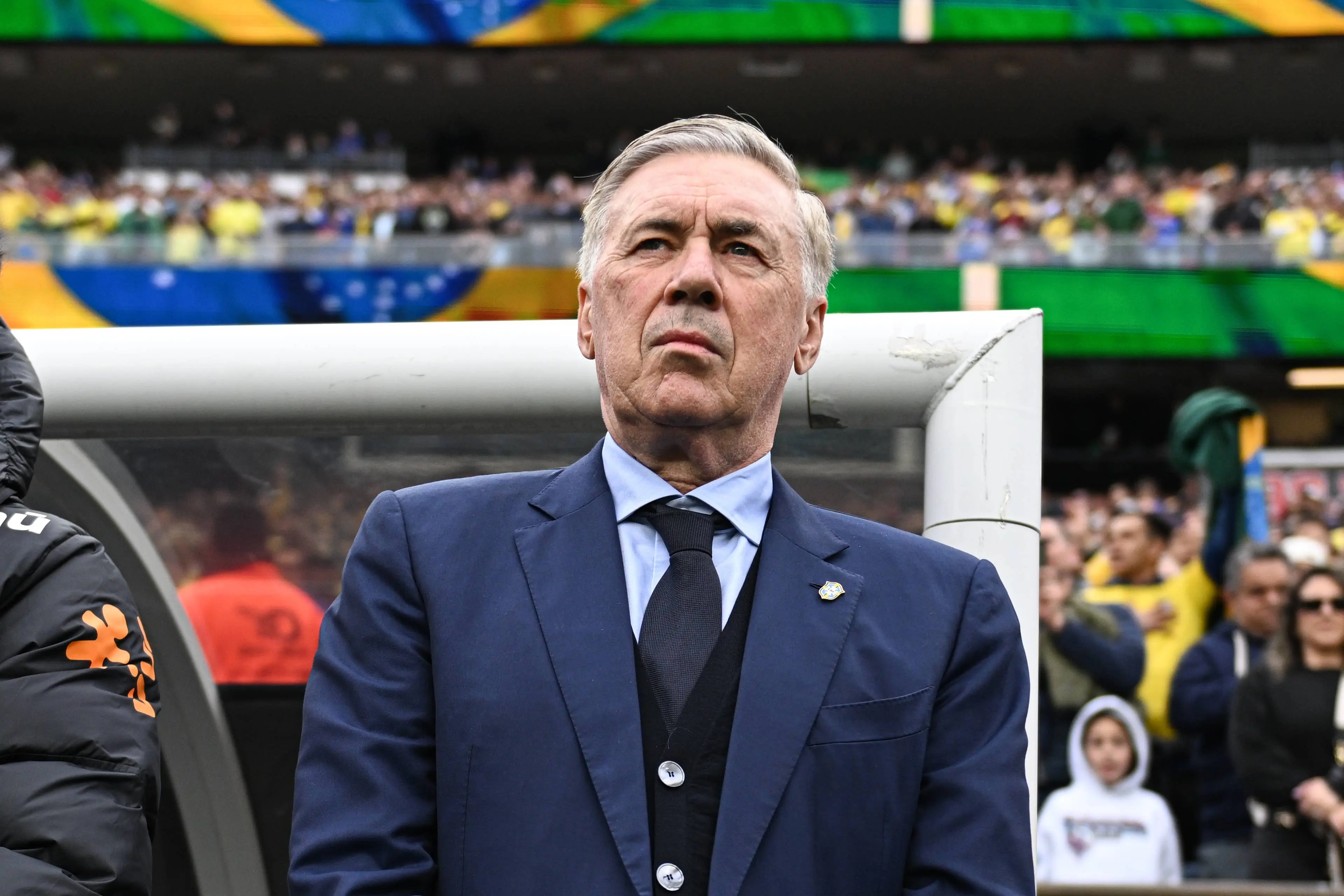
Brazil's 2026 World Cup campaign ended in heartbreak and controversy, and now coach Carlo Ancelotti has confessed that his own decision during a hydration break was the turning point. The five-time world champions were eliminated by Norway in the round of 16, their earliest exit from the tournament since 1990. Ancelotti, who recently reaffirmed his commitment to the Brazilian national team, has provided a candid explanation of what went wrong on the night.
A Tournament That Started With Promise
Brazil entered the World Cup with high expectations. The Selecao were placed in Group C and produced an unbeaten group-stage campaign, winning two matches and drawing one. Their attacking play drew praise, and the defense looked solid. With a squad blending experienced stars and emerging talent, many pundits considered Brazil among the favorites to lift the trophy.
The group-stage performance carried over into the knockout rounds. In the Round of 32, Brazil dispatched Japan in a controlled display. Perhaps more importantly, the return of Neymar injected new optimism. The legendary forward had been recovering from injury, and his presence on the pitch lifted the team's creative ceiling. Fans began to believe that this could finally be the campaign to end Brazil's long wait for a sixth World Cup title.
That belief, however, was shattered by Norway and its star striker Erling Haaland. The powerful center-forward scored twice to knock Brazil out, silencing the yellow and green faithful and sending the Selecao home far earlier than expected.
The Decisive Night Against Norway
The round-of-16 clash started in favor of Brazil. They controlled possession and created chances, and it seemed only a matter of time before they broke through. That opportunity arrived in the first half in the form of a penalty kick. Midfielder Bruno Guimaraes stepped up to take it, but he failed to convert, sending the ball off target. The miss proved costly in retrospect, though at the time the scoreless draw allowed Brazil to remain patient.
At halftime the match was still 0-0. Brazil's shape had been solid, and Norway had struggled to create meaningful opportunities. Ancelotti and his staff likely felt confident about making adjustments to sharpen the attack in the second half.
Then came the key moment. In many tournaments, especially in hot climate conditions, the referee signals a cooling break around the midway point of each half. These hydration breaks are normally routine. For Brazil, this particular break would prove disastrous.
Ancelotti's Honest Admission
Speaking to ESPN after the match, Ancelotti took full responsibility for the defeat. He explained that during the hydration break, he made a critical miscalculation by misreading how the game was unfolding.
"I think we lost the World Cup during the hydration break against Norway," Ancelotti said. "Why? Because, up until then, the team had been in control. That's where my mistake may have been, thinking the team had lost control of the match when they hadn't."
The Brazilian coach admitted that he believed his players had started to fade or lose control of the midfield battle. In response, he made multiple changes to the team, altering the tactical structure that had worked so well. The changes were meant to shore up the midfield and provide fresh legs, but they instead disrupted the team's rhythm.
"I made a few changes to the team, and then we had the problem with Erling Haaland's goal," Ancelotti explained. "And then, in a World Cup, when you concede a goal in the 30th minute [of the second half], it's very difficult to come back from that."
Haaland's goal arrived in the 75th minute, shattering Brazil's composure. The Norway striker found space behind the Brazilian defense and finished clinically. For a team that had controlled the match for large stretches, the goal came as a shock. Brazil were forced to push forward in search of an equalizer, opening further spaces at the back.
Instead of restoring balance, the substitutions left Brazil disjointed. The fast transitions Brazil tried to create never materialized as a cohesive attacking threat. Norway, growing in confidence, doubled their lead through another Haaland strike, ending the contest.
Statistics That Tell a Story
The numbers from the match underline Brazil's collapse. After taking the lead, Norway were happy to sit deep and protect their advantage. Brazil, desperate to get back into the game, were forced into long passes and speculative crosses. Their possession statistic dropped to just 34 percent—their lowest ball-possession rate in a World Cup match since 1966.
That figure is remarkable for a team historically built around controlling possession and playing stylish attacking football. The team that had looked so fluid in the group stage and the Round of 32 suddenly looked fractured and unsure of its identity.
Credit to Norway
While Ancelotti was critical of his own decision-making, he also credited Norway for their approach. The Scandinavian side had clearly prepared a game plan to frustrate Brazil and exploit the spaces left by an advancing team.
"It's also true that Norway had a lot of possession in their half. They played the same way against England," Ancelotti said. "They controlled the game, and they could've won."
Norway's performances in the tournament had perhaps been underestimated. They had shown solid organization and discipline, and their reliance on Haaland's clinical finishing proved to be a game-changer. Against Brazil, they executed their plan nearly to perfection, keeping their shape while waiting for the moments to strike.
A Manager's Burden
Ancelotti's admission highlights the fine margins that decide World Cup matches. A split-second decision, even for a manager of his vast experience, can alter the outcome of an entire tournament. The 2026 World Cup will be remembered not only for Brazil's early exit but also for the honesty of their coach in accepting blame.
The former Chelsea, Real Madrid, and Bayern Munich boss has managed some of the biggest clubs in world football and won nearly every major honor. His credibility in the sport is unquestioned. Yet even the most decorated managers are not immune to errors in the pressurized environment of a World Cup.
Brazil will now have to reflect on what went wrong and how to rebuild ahead of future international competitions. The presence of Neymar, though returning from injury, offered a glimpse of what the team could do at full strength. The question remains whether the squad can learn from this painful lesson.
Looking Back and Ahead
Brazil's elimination in the round of 16 marked their earliest World Cup exit since 1990, a humbling result for a nation that expects nothing less than glory. The blame will be spread across various factors: the missed penalty, the defensive lapse on Haaland's goals, and the questionable substitutions. But Ancelotti's willingness to accept responsibility is a mark of his leadership.
In the aftermath of the defeat, the Brazilian football federation moved quickly to quell doubts about Ancelotti's future. The coach himself committed his future to the national team, signaling that he intends to continue the rebuilding process. That commitment suggests this setback, painful as it is, will not derail the long-term project.
For Norway, the victory was historic. Haaland, added another memorable performance to his already legendary international career. The team's disciplined display against one of the tournament favorites will be studied by coaches for years to come. Their tactical flexibility and ability to adapt based on the opponent deserve praise.
The Fine Margins of World Cup Football
Ancelotti's reflection on the hydration break serves as a reminder of how much can hinge on a moment of misreading in top-level football. The match was not lost because of a lack of effort or talent. It was lost because a coach, trying to be proactive, made a change that inadvertently reduced his team's certainty.
Had the penalty been converted, had the substitutions been different, or had the goal come at another time, Brazil might have progressed. Instead, the football world witnessed the fall of a giant. The scene of Neymar and his teammates leaving the pitch in tears will be replayed for years.
The 2026 World Cup story is not finished for other nations, but for Brazil it is over. Ancelotti's honest words provide a rare glimpse into the mind of a top coach under pressure. He did not hide behind excuses or point fingers. He simply accepted that his decision, made during a short pause in play, had a profound impact on the outcome.
Source: AOL.com News