

During the sweltering summer months, air conditioners of all kinds can turn indoor spaces from near-uninhabitable to entirely livable. With that said, this isn't a perfect form of technology, as air conditioners have a bevy of common problems all users should be aware of. At the same time, there are some seemingly possible issues, like air conditioners releasing potentially deadly carbon monoxide indoors, that aren't actually issues at all. An air conditioner isn't going to be the culprit behind anyone's carbon monoxide poisoning, and it comes down to how the gas is formed and how these essential summertime appliances function.
Understanding Carbon Monoxide Formation
Carbon monoxide (CO) is a colorless, odorless gas that can be lethal when inhaled in high concentrations. It is produced through the incomplete combustion of carbon-containing fuels such as gasoline, natural gas, propane, wood, coal, or kerosene. Common sources include car exhaust, furnaces, water heaters, generators, and gas stoves. The key factor is that combustion must occur; without it, CO cannot be generated. Air conditioning systems, whether central units, window units, or portable devices, operate entirely on electricity. They do not burn any fuel to cool the air. Instead, they use a refrigeration cycle that relies on a compressor, condenser, evaporator, and expansion valve. The refrigerant absorbs heat from indoor air and releases it outside. No combustion happens within the AC unit itself, so there is no possibility of producing carbon monoxide. While some larger commercial systems might use gas-fired absorption chillers, these are rare in residential settings and still separate the combustion process from the actual cooling system. Even then, proper ventilation prevents CO buildup.
How Air Conditioners Work
The basics of air conditioning come down to air movement and heat transfer. These appliances take warm air from an indoor space, pass it over coils filled with cold refrigerant, and then push the cooled air back into the room. The refrigerant cycles through a closed loop, changing from liquid to gas and back again, absorbing heat in the process. This system is powered by electricity, which drives the compressor, fans, and other components. Because no fuel is burned, there is no exhaust or byproduct like carbon monoxide. The only emissions from a properly functioning AC are heat released outdoors and condensation (water vapor). This thermodynamic fact is why you never need to worry about CO poisoning from your air conditioner alone. However, it is still important to install CO detectors in your home because other fuel-burning appliances—such as a furnace, water heater, or attached garage—could introduce CO into the air system. If those appliances have a leak or malfunction, the AC's ductwork can distribute the gas throughout the house. But the AC itself is not the source.
Other Health Risks from Air Conditioners
While carbon monoxide poisoning is not possible from an air conditioner, other health problems are. These appliances can push some undesirable materials into your living space with serious consequences. One major concern is moisture. Air conditioners naturally dehumidify the air as they cool it, but they also create condensation inside the unit. If the drain pan is clogged or the filter is dirty, moisture can accumulate, creating a breeding ground for fungi, mold, and bacteria. These microorganisms can then be blown into the room, triggering allergic reactions, asthma attacks, or respiratory infections. In office buildings with centralized HVAC systems, this is known as “sick building syndrome,” where occupants experience headache, fatigue, and respiratory issues.
Effects on Respiratory Health
Beyond microbial contamination, the mere operation of an air conditioner can affect the human body. The cooling process removes humidity from the air, which can lead to dry indoor conditions. Dry air, in turn, dries out the mucous membranes of the throat and nasal passages. This causes irritation and inflammation, and more importantly, reduces the protective mucus layer that traps pathogens. When mucus production decreases, it becomes easier for viruses and bacteria to enter the respiratory tract and cause illness. This is why some people experience a dry cough or sore throat after extended time in air-conditioned rooms. In addition, sudden temperature changes—moving from hot outdoors to cold indoors—can stress the immune system, making it more susceptible to infections. Proper humidity control is key; keeping levels between 30% and 50% helps maintain comfort and health.
Maintaining Your Air Conditioner for Health and Efficiency
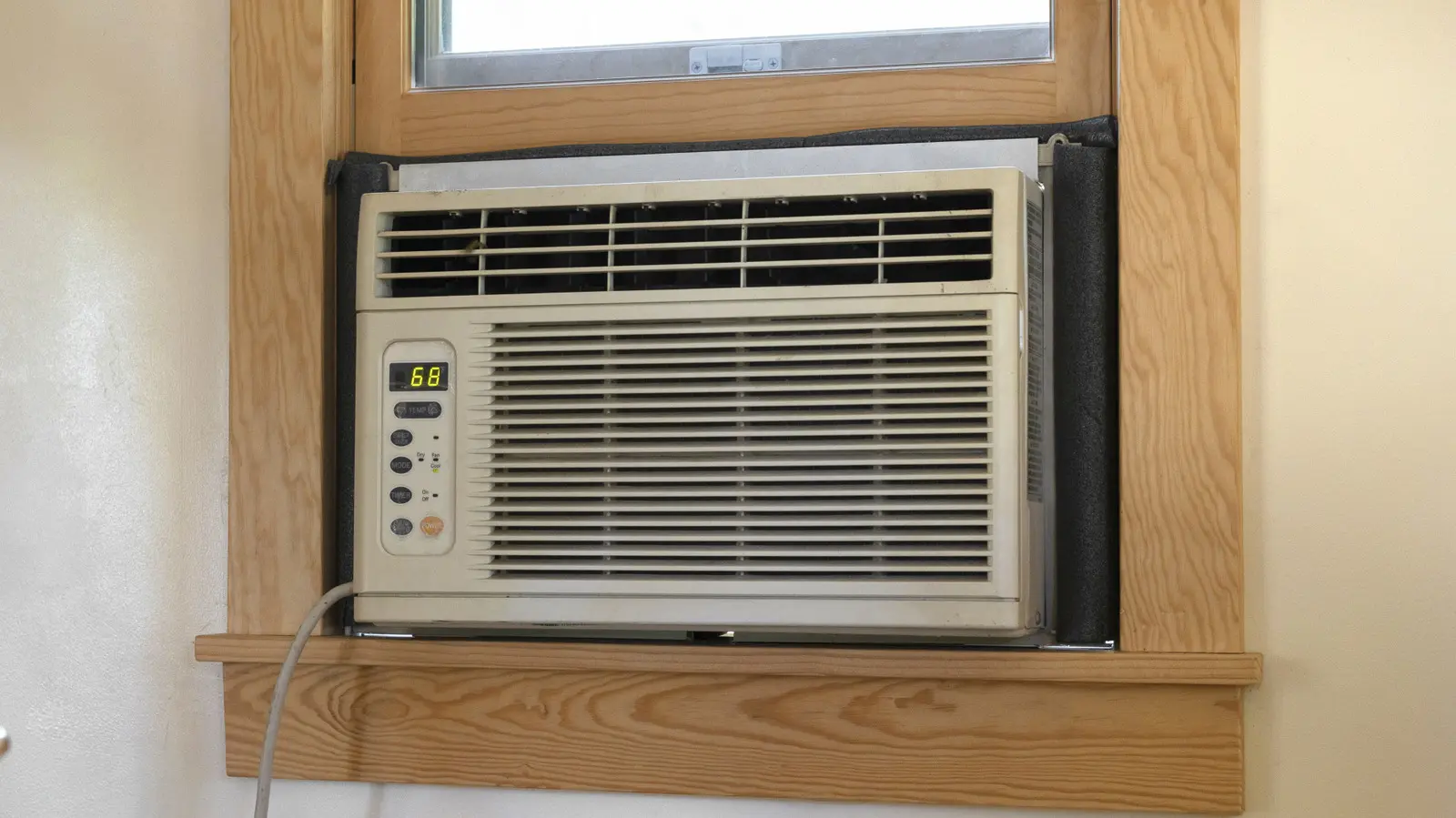
To keep your air conditioner running, and doing so with as little health risk as possible, it needs proper cleaning. For window units, this entails removing and cleaning the front cover with soap and water, clearing or replacing the filter, and wiping debris away from the condenser coils and spraying them with soapy water. Once all of these steps are done, give everything time to dry out before reassembling and using the window unit. Aside from the health benefits, a lack of cleaning could also be one of the reasons why your window unit isn't cooling properly.
Cleaning a Window Unit Step by Step
- Unplug the unit and remove it from the window if possible. Place it on a stable surface.
- Take off the front cover (most snap off easily). Wash it with warm soapy water, rinse, and dry.
- Remove the filter—typically a foam or mesh piece. Vacuum it gently or wash with water and mild detergent. Allow to dry completely before reinstalling. Some filters are disposable; replace them according to manufacturer instructions.
- Inspect the evaporator and condenser coils. Use a soft brush or a can of compressed air to remove dust and debris. For stubborn dirt, apply a no-rinse coil cleaner foam and let it sit for 10 minutes.
- Check the drain holes at the bottom of the unit. Clear any clogs with a pipe cleaner or brush to ensure condensation can escape.
- Wipe down the interior surfaces with a damp cloth. Avoid harsh chemicals that could damage components.
- Let everything air-dry completely before reassembling and reinstalling the unit.
Cleaning an Outdoor Condenser Unit
Fortunately, cleaning an outside air conditioner unit isn't all that difficult either. First and foremost, cut off the power to the unit at the breaker, preventing harm to yourself and the unit alike. Next, open up the top grille and remove any accumulated debris, such as leaves, grass clippings, and woodchips, to ensure good, clean airflow. Use a vacuum with a soft brush attachment or a garden hose with gentle pressure to clean the fins. From here, apply a designated air conditioner coil cleaner to the interior fins, let it sit for around 10 minutes, and spray it clean with a hose. Make sure not to use a powerful hose nozzle or a pressure washer, since these could damage the fragile aluminum fins. If the fins are bent, straighten them carefully with a fin comb (available at hardware stores). Also, trim back any vegetation that is within 2 feet of the unit to maintain airflow. Finally, replace the grille and restore power.
Additional Maintenance Tips
Beyond cleaning, consider scheduling professional maintenance at least once a year. A technician can check refrigerant levels, electrical connections, and overall system performance. They can also clean the evaporator coil inside the air handler, which is harder to access. Replace filters every 1-3 months during heavy usage. Use a programmable thermostat to reduce cooling when you are away, and consider upgrading to a unit with a higher SEER rating for better efficiency. Also, ensure that your home's ductwork is sealed and insulated to prevent energy loss and moisture intrusion. By keeping your AC in top shape, you can enjoy cool air without worrying about health hazards.
The Importance of Ventilation
Even though ACs recirculate indoor air, it is vital to bring in fresh air occasionally. Crack a window when outdoor air quality is good, or use a heat recovery ventilator (HRV) to exchange stale indoor air with filtered outdoor air. This dilutes pollutants like volatile organic compounds (VOCs) from cleaning products, paints, and furniture. Good ventilation also helps control humidity levels and reduces the concentration of pathogens that might be circulated by the AC. In modern tightly sealed homes, air conditioners can create a comfortable but stale environment. Combining your AC with an air purifier can further reduce allergens and microbes. Remember that while ACs are great at cooling, they are not designed for ventilation—so you have to provide that yourself.
Myths About Air Conditioners and Carbon Monoxide
The misconception that ACs produce carbon monoxide likely arises from confusion with gas-burning appliances. Some people worry that if their window unit has a gas-powered generator or if the unit is used in a space with a gas heater, CO could accumulate. However, as explained, ACs themselves are safe. Another myth is that car air conditioners can leak CO into the cabin—this is false for the same reason; car ACs run on electricity from the alternator, not from burning fuel. However, a car's heating system uses engine coolant, so if there is a leak in the exhaust manifold, CO can enter the cabin through the heater core. But that is a heating system issue, not the AC. Similarly, portable air conditioners that vent through a window do not produce CO. Always ensure that any combustion appliance (furnace, stove, fireplace) is properly vented and has CO detectors nearby. The AC itself is a red herring in the CO poisoning narrative.
Health Beyond CO: What to Watch For
Given that ACs can spread mold, bacteria, and allergens, it is important to recognize symptoms of poor indoor air quality. These include frequent sneezing, watery eyes, coughing, headaches, fatigue, and worsening asthma. If multiple household members experience these symptoms after the AC is turned on, the unit likely needs cleaning. In severe cases, Legionella bacteria can grow in cooling towers and cause Legionnaires' disease, though this is rare in residential units. For most people, simple preventive measures like regular cleaning and filter changes keep the AC healthy. Also, be aware of “air conditioner lung” or hypersensitivity pneumonitis, an allergic reaction to contaminants in the system. This condition causes flu-like symptoms and requires medical attention. The best defense is to keep your AC system dry and clean.
Seasonal Preparation
Before summer starts, inspect your AC unit thoroughly. For window units, test them on a cool day to ensure they blow cold air. Clean the coils and filter as described. For central systems, have the technician check the entire system. Replace batteries in your thermostat if applicable. Also, clear the area around the outdoor condenser—remove any debris that has accumulated over winter. Put the unit on a level surface if it has shifted. If you use a portable AC, empty the water reservoir regularly or attach a drain hose. Preparing ahead avoids emergency repairs during heatwaves and ensures the air you breathe is clean. By taking these steps, you can enjoy a cool, safe summer without worry about carbon monoxide or other AC-related health issues.
When the weather warms up, you want an air conditioner that keeps you cool. While carbon monoxide isn't typically something to worry about, other unwanted elements could cause health problems from your air conditioner. Thus, the importance of proper care and cleaning can't be overstated. Stay informed, stay cool, and breathe easy knowing that your AC is not a source of CO—but do take care of its other potential hazards.
Source: SlashGear News