

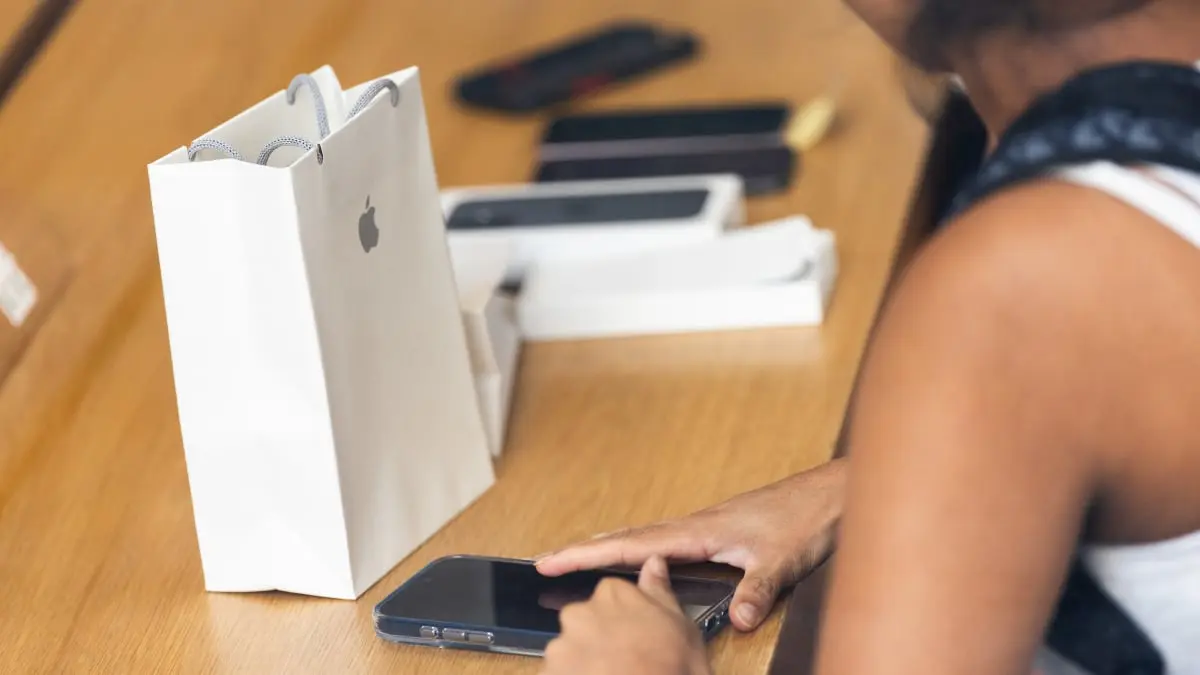
Apple has launched Apple Upgrade, a new leasing program for iPhone, Apple Watch, Mac, and iPad, available online, in the Apple Store app, and at Apple retail locations across the United States. The program replaces the old Apple iPhone Upgrade program, which is winding down for new customers, and shifts financing duties from Citizens One to Klarna.
As tech prices continue to climb and smartphone sales decline, Apple Upgrade would give customers a new way to try the latest Apple devices. The program arrives just a couple of months before Apple is expected to unveil the iPhone 18, signaling a broader shift in how consumers interact with premium hardware. Rather than paying a large upfront cost or taking out a traditional installment loan, customers can now lease devices for a fixed period, aligning with the growing trend toward subscription-based ownership models across the tech industry.
Unlike the previous program, which functioned as a loan that eventually transferred ownership of the device to the customer, Apple Upgrade is structured explicitly as a lease. Customers pay a monthly fee to use a device for a fixed term, and at the end of that term, they can upgrade to something new, pay a purchase fee to keep the device, or return it and walk away. If they do nothing, the lease automatically converts to a month-to-month arrangement for up to six months, with payments that may increase during that stretch. This structure more closely resembles a traditional car lease, where the lessee enjoys the use of the product without ever holding title unless a buyout is exercised.
For consumers, this introduces a new set of decisions and considerations. Is leasing better than buying? What happens if the device is damaged? Are there hidden fees? To help clarify the program, we've assembled answers to the most common questions about how Apple's new lease program works.
What is the Apple Upgrade program?
Apple Upgrade is a Klarna-backed leasing program for U.S. shoppers that launched on July 28, and it allows customers to lease new Apple devices for a period of 12, 24, or 36 months, depending on the product. For the Apple iPhone upgrade program, leasing prices start at just $17.99 per month, but users can lower their monthly payments by trading in their current iPhone through Apple Trade In. This makes the entry point significantly lower than the typical cost of buying an iPhone outright, which often exceeds $799 for a base model. The program is designed to attract consumers who want to stay on the cutting edge of technology without committing to a full purchase.
The shift from a loan to a lease also reflects a broader strategic move by Apple. With smartphone innovation becoming more incremental, fewer people are upgrading their devices as frequently as they once did. Leasing provides a steady revenue stream for Apple while ensuring that more users have access to the latest hardware. It also encourages customer loyalty, as the ease of upgrading each year reduces the temptation to switch to an Android device. Apple is not the first company to adopt this model; many wireless carriers offer similar device leasing plans, and third-party services have existed for years. However, Apple's direct involvement streamlines the experience and integrates with the company's ecosystem.
What devices are eligible?
The Apple Upgrade covers most new iPhone, Apple Watch, Mac, and iPad devices. The eligible devices are:
- iPhone 17
- iPhone 17e
- iPhone 17 Pro
- iPhone Air
- Apple Watch Series 11
- Apple Watch Hermès Series 11
- Apple Watch Ultra Watch 3
- Apple Watch Hermès Ultra 3
- M5 MacBook Air
- M5 MacBook Pro (M5 Pro and M5 Max also included)
- M4 iPad Air
- iPad Mini (A17 Pro Chip)
A handful of older or budget models are excluded, including the iPhone 16, iPhone 16 Plus, Apple Watch SE, MacBook Neo, Mac Mini, iPad (A16), and Studio Display. The Vision Pro is also excluded. This list suggests that Apple is focusing on its premium product lineup, with no support for budget or aging devices. For customers who own an excluded model, buying outright or using carrier financing remains the primary path. Interestingly, the absence of the Vision Pro may indicate that Apple sees the headset as a niche product not yet suited for broad leasing plans, or possibly because its high warranty and repair costs make leasing less financially viable.
How long are the lease terms?
iPhone and Apple Watch leases run for either 12 or 24 months. Mac and iPad leases run 24 or 36 months. Not every term is available on every device. Shorter terms appeal to users who want the latest technology more frequently, while longer terms reduce the monthly payment burden. For example, a MacBook Pro with a 36-month lease could have a monthly cost significantly lower than a 24-month lease, though total payments over time would be higher. The flexibility mirrors common practices in the automotive leasing industry, where longer terms lower monthly payments but often increase the total cost of the lease. Customers should carefully evaluate their usage patterns and upgrade preferences before choosing a term length.
How much does it cost per month?
Pricing starts at $17.99 for iPhone, $11.99 for Apple Watch, $24.99 for Mac, and $11.99 for iPad, though actual payments vary by device, storage tier, and lease length. No security deposit is required, and trading in a current device through Apple Trade In can lower the monthly rate. The absence of a security deposit is notable, as many leasing programs require an upfront payment or a deposit based on creditworthiness. Apple's approach lowers the barrier to entry, making it easier for a wider range of consumers to participate. However, customers should be aware that trade-in credits are applied differently in a lease arrangement compared to a purchase. In a traditional purchase, trade-in value reduces the total price; in a lease, it reduces the monthly payments, but the device must be returned at the end of the term unless the purchase fee is paid.
Do I own the device at the end of the lease?
No, not unless you pay the device's purchase fee at the end of the term. Otherwise, you're expected to either upgrade to a new lease or return the device in acceptable condition. Returning a damaged, lost, or stolen device can trigger additional fees, and insurance isn't included in the lease itself. This is a key distinction from the previous iPhone Upgrade Program, where the customer owned the phone after completing 24 months of payments. Under the new program, the customer is essentially renting the device. The purchase fee is determined at the start of the lease and is included in the lease agreement. It may be based on the estimated residual value of the device at the end of the term, which is influenced by factors such as expected depreciation and market trends. Customers who plan to keep their devices long-term may find that buying outright or using Apple Card Monthly Installments is more cost-effective.
Is there a credit check?
Yes, but it's a soft inquiry that doesn't affect your credit score. Final approval, including any monthly payment you're offered, depends on Klarna's assessment of your creditworthiness. Soft inquiries are typically used for prequalification and do not appear on a consumer's credit report. This allows customers to see potential terms without worrying about a temporary dip in their credit score. Once a customer accepts an offer, a harder inquiry may be conducted, but Apple and Klarna have structured the process to minimize friction. Credit approval is not automatic; individuals with limited credit history or past financial difficulties may be denied. In such cases, customers could look into carrier financing or secure a co-signer, though Apple has not announced whether co-signers are allowed.
What about AppleCare?
AppleCare isn't automatically bundled with Apple Upgrade the way it was with the old iPhone Upgrade Program. Customers can add AppleCare+ or AppleCare One separately to cover accidental damage, theft, loss, and battery service. This is a significant change. In the prior program, AppleCare+ was included in the monthly payment, providing some peace of mind. Now, leasing customers must decide whether to pay extra for protection. Given that a lost or stolen device can incur fees, adding AppleCare+ (which includes theft and loss coverage for iPhones) may be a wise investment for many users. AppleCare+ plans are available on a monthly or annual basis, making it easy to align coverage with the lease term. However, the extra cost increases the total monthly outlay, so customers should factor that into their budgets.
Can I use Apple Card with this?
Yes, payments made with Apple Card earn 3 percent Daily Cash back, and Apple Card Monthly Installments remain a separate, distinct financing option outside of Apple Upgrade for customers who'd rather buy a device outright over time. The ability to earn Daily Cash on lease payments adds an incentive for Apple Card holders. Daily Cash is applied to the card's cash balance and can be used for purchases or applied to the card balance. Apple Card Monthly Installments, on the other hand, offer 0% APR financing for the full price of the device over 12 or 24 months, with the customer owning the device at the end. This is a well-established alternative to leasing, and some users may prefer it because they retain ownership. Comparing the two options: a lease often has lower monthly payments but no ownership; installments have higher payments but build equity. For individuals who upgrade every year, leasing may be advantageous; for those who keep devices for several years, installments or outright purchase are generally more economical.
What happens to people already in the iPhone Upgrade Program?
Existing members aren't required to do anything. They can keep making their monthly payments under their existing agreement with Citizens One, and once they complete their 24-month term, the device is theirs to keep, no purchase fee required. This grandfathering ensures a smooth transition for current customers. When they're ready for a new iPhone, they'll have the option to switch into Apple Upgrade, finance through Apple Card Monthly Installments, buy a device outright, or go through carrier financing instead. Apple is giving existing members a choice, rather than forcing them to migrate to the new lease program. This approach minimizes customer frustration and allows current program participants to finish their ownership journey as promised. For those who were near the end of their term, the news that they will own their device outright is a pleasant benefit, especially since the new program does not offer ownership without a purchase fee.
Who's eligible to lease through Apple Upgrade?
You need to be a U.S. resident at least 18 years old, have a valid Social Security number or ITIN, hold an Apple Account in good standing, have a Klarna account, and have an accepted credit or debit card on file. Leasing an iPhone requires enrolling in a postpaid plan with AT&T, T-Mobile, or Verizon — prepaid plans don't qualify, though leased iPhones are unlocked. The requirement for a postpaid carrier plan is a notable constraint. It means customers on prepaid carriers or smaller regional providers cannot lease an iPhone through Apple Upgrade. The unlocked status of leased iPhones is a positive, as it offers flexibility for international travel and switching carriers once the lease is satisfied. The credit and identity requirements are standard for leasing agreements, designed to protect both the lender and Apple. Prospective customers should gather the necessary documents before applying.
What happens if I miss a payment?
Recently, 9to5Mac found code in the iOS 27 beta that suggested Apple and lenders could place phones in "Restricted Mode" if a user falls behind on payments. However, that's not part of the Apple Upgrade program. Instead, missed payments will automatically be added to the next month's bill. MacRumors also reports that there are no late fees for missed payments, but three missed payments will result in Klarna terminating your contract. This is a lenient policy compared to many traditional leases, which often charge late fees and may repossess the device after a single missed payment. The absence of late fees gives customers a short grace period, but the termination after three missed payments is a hard limit. Once the contract is terminated, the customer would likely need to return the device immediately and may still owe past-due amounts. It is essential to communicate with Klarna if financial difficulties arise, as many lenders are willing to adjust payment schedules. The lack of a restriction mechanism like the rumored "Restricted Mode" suggests that Apple and Klarna prefer a simple contractual approach over device-level enforcement. Still, customers should treat lease payments as a priority to avoid damaging their credit and losing access to the device.
Apple Upgrade represents a significant evolution in how Apple sells its hardware. By shifting from loans to leases, the company is aligning itself with broader trends in consumer technology and finance. The program offers flexibility and lower upfront costs, but it comes with trade-offs, including the lack of automatic ownership and the requirement for postpaid iPhone service. As the program rolls out, customers will likely see more detailed comparisons and third-party analyses. For now, understanding the basics is the first step in deciding whether Apple Upgrade is the right choice for your next device.
Source: Mashable News