

Prime Video’s AI overhaul: What’s changing and why it matters
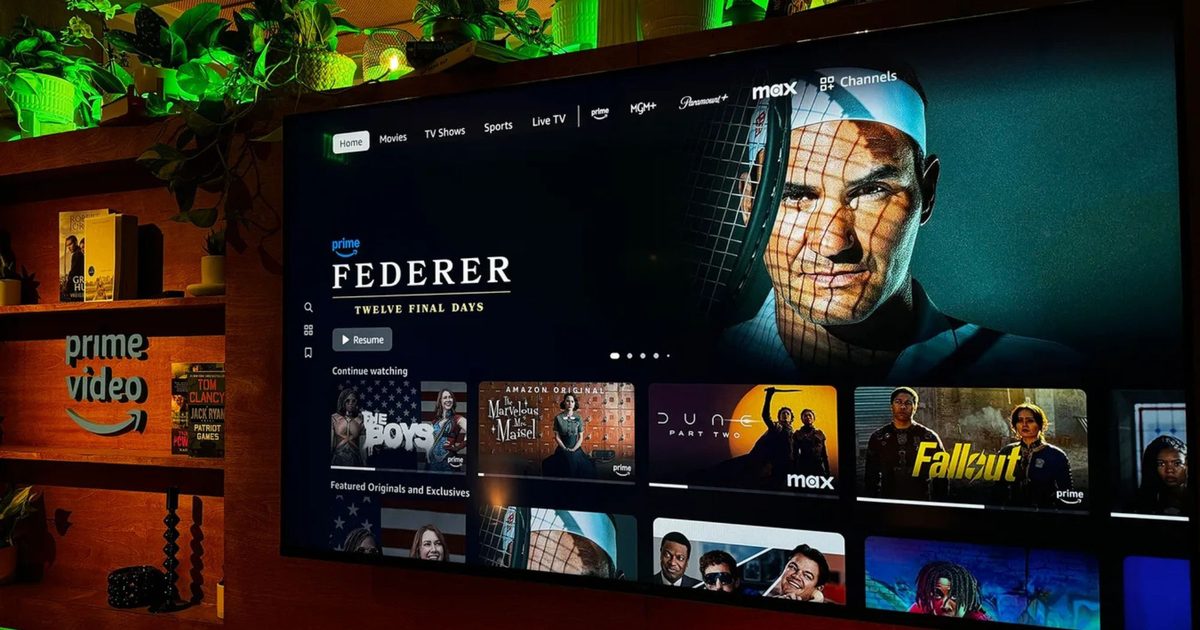
Amazon is undertaking a major redesign of Prime Video, placing artificial intelligence at the core of the streaming experience. The initiative, known internally as Project Lighthouse, is being directly driven by Amazon founder Jeff Bezos, according to reports. The goal is to replace the current home screen — a static grid of rows and tiles that often fails to surface what viewers actually want — with a dynamic, AI-powered interface that learns individual preferences.
The project emerged from a tense meeting late last year, where Bezos told Prime Video head Mike Hopkins that the original redesign plans lacked sufficient focus on AI and personalization. The team scrapped the earlier version and started from scratch under global design lead Kam Keshmiri. Bezos has remained personally involved, marking a rare return to product-level oversight since he stepped back from daily operations in 2021.
Key features of the Lighthouse redesign
The new Prime Video home page will be built around AI-generated recommendations rather than the fixed, one-size-fits-all tiles every subscriber currently sees. Early prototypes include prompts like “action movies from the 1980s” or “Christmas rom-coms,” tailored to the user’s viewing history. Amazon is also exploring deeper integration of its Alexa voice assistant, allowing viewers to say what they’re in the mood for instead of typing. Traditional search and top highlights, such as Thursday Night Football (the NFL game exclusive to Amazon), will remain visible at the top of the screen.
Key facts about the redesign:
- Codename: Lighthouse.
- Lead: Jeff Bezos personally driving; Kam Keshmiri leading design.
- Core shift: From static grid to AI-curated recommendations based on prompts tied to viewing habits.
- Alexa integration: Planned voice-based search and content discovery.
- Testing: Early versions being tested with a small user group; feedback may alter final layout.
The bigger picture: Amazon’s AI ambitions and market reality
The Lighthouse project is part of a much larger corporate strategy. Amazon has committed nearly $200 billion in capital spending this year, much of it tied to AI infrastructure, along with an initial $23 billion investment split between OpenAI and Anthropic. However, its previous AI-driven efforts, such as the revamped Alexa, have delivered mixed results, and the unit is reportedly still losing money.
Prime Video currently holds only 4.2% of US television viewing time, far behind competitors like Netflix, YouTube, and Disney+. That gap gives Amazon significant incentive to get this redesign right. The AI overhaul is meant not only to improve the user experience but also to strengthen Amazon’s reputation in the AI space, where rivals like Google and Microsoft are moving quickly.
Key market facts:
- Prime Video’s US viewing share: 4.2% (trails Netflix, YouTube, Disney+).
- Amazon AI investment: ~$200 billion capital spending in 2025; $23 billion in OpenAI/Anthropic.
- Alexa AI unit: Still losing money despite revamp.
Will more AI truly benefit viewers?
Streaming platforms have long used paid placement — studios paying for premium spots on the home screen. If Lighthouse succeeds in replacing some of that paid real estate with personalized rankings, viewers could see recommendations based on what they actually like rather than who paid the most. That would mark a real shift toward more honest discovery.
But skepticism remains. Netflix has deployed similar AI-driven recommendation systems for years, yet many viewers still complain about scrolling fatigue and difficulty finding something worthwhile. Prime Video’s approach may simply relocate paid placement into the algorithm itself, rather than removing it entirely. That would not be a meaningful win for users.
Other key considerations:
- Paid placement: Studios currently pay for prime slots; AI may reduce this or hide it deeper.
- Netflix comparison: Netflix’s AI also hasn’t fully solved discovery issues.
- User feedback: Final design may shift based on early testing results.
Historical context and industry trends
Amazon launched Prime Video in 2006 as Amazon Unbox, later rebranding to Prime Video in 2014. The platform has struggled with a cluttered interface, partly because it aggregates both included Prime content and rental/purchase options. Rivals like Netflix have invested heavily in algorithmic recommendations, but no service has completely solved the paradox of choice that plagues streaming.
The rise of AI-generated content and recommendation engines is reshaping the entire streaming landscape. YouTube recently updated its monetization policies to target low-effort AI slop, while Disney+ and HBO Max also experiment with personalized rows. Amazon’s Lighthouse project could set a new standard — or simply add another layer of complexity.
The role of Bezos in this effort is particularly notable. Since stepping down as CEO in 2021, he has focused on other ventures like Blue Origin, but his personal involvement in Prime Video signals the importance of this project to Amazon’s future. The tension between Amazon’s advertising-driven business model and the need for genuine user experience will be a defining challenge.
Ultimately, the success of Lighthouse hinges on execution. If the AI can truly understand individual moods and preferences without relying on paid influence, it could reduce frustration. But if it just dresses up the same old paid placement with a machine-learning coat, viewers will remain just as unimpressed. Only time — and real-world usage — will tell.
Source: Digital Trends News