

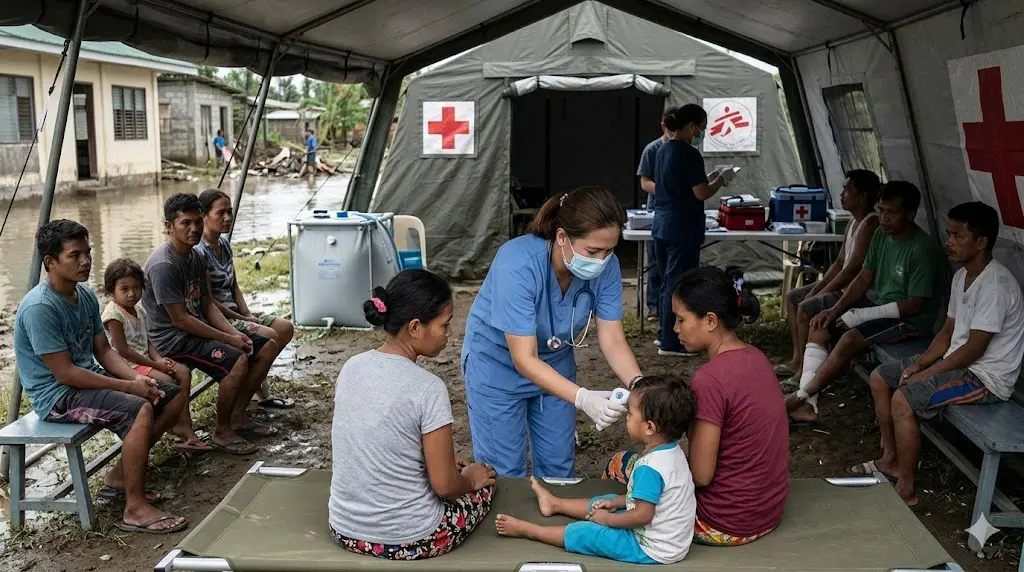
Climate change is rapidly becoming one of the biggest healthcare challenges the world has ever faced. Rising temperatures, worsening air pollution, stronger natural disasters, and the spread of infectious diseases are putting enormous pressure on hospitals, healthcare workers, and public health systems across the globe. What once seemed like a distant environmental issue is now showing up in emergency rooms, mental health clinics, and healthcare budgets every single day.
Here’s the thing most people don’t realize: climate change isn’t just damaging ecosystems. It’s changing how healthcare operates, how diseases spread, and how communities survive health emergencies. In 2026, healthcare professionals are no longer asking whether climate change affects public health. They’re trying to figure out how to keep healthcare systems functioning under growing environmental stress.
Climate change is a growing concern in healthcare worldwide because it increases heat-related illnesses, respiratory diseases, infectious outbreaks, mental health problems, and healthcare infrastructure disruptions. Hospitals and healthcare systems are struggling with rising patient demand, supply chain interruptions, environmental disasters, and higher operational costs linked directly to climate-related events.
What Is Climate Change in Healthcare?
Climate Change in Healthcare: The direct and indirect impact of rising global temperatures, environmental disruption, pollution, and extreme weather on public health systems, patient care, disease patterns, and medical infrastructure.
Healthcare systems around the world are now facing conditions they weren’t originally built to handle. Longer heatwaves, poor air quality, floods, storms, droughts, and wildfires are creating entirely new healthcare pressures.
For example, a severe heatwave doesn’t only make people uncomfortable. It increases dehydration cases, heart complications, kidney stress, respiratory illness, and emergency room admissions. One environmental event can suddenly overwhelm an entire hospital system.
I’ve noticed that many people still separate “environmental issues” from “health issues,” but that line barely exists anymore. Climate change affects the air people breathe, the water they drink, the food they consume, and even the safety of healthcare facilities themselves.
That’s why major health organizations now classify climate change as one of the largest public health threats of the century.
Why Climate Change Matters in Healthcare in 2026
Healthcare challenges connected to climate change are becoming more visible every year. In 2026, hospitals worldwide are adapting to environmental pressures that simply weren’t this severe twenty years ago.
Extreme heat events are lasting longer. Air pollution levels remain dangerous in many urban areas. Infectious diseases are spreading into new regions. Mental health concerns linked to environmental stress are increasing fast.
And honestly, healthcare workers are exhausted.
Many medical professionals now face overlapping emergencies at the same time. A hospital might handle flood damage while treating heatstroke patients during a disease outbreak. That combination stretches staffing, resources, and budgets to dangerous levels.
Rising Heat Is Becoming a Public Health Emergency
Heatwaves are now among the deadliest climate-related health risks globally. High temperatures affect the body in ways many people underestimate.
Heat stress increases the risk of:
Heart attacks
Heatstroke
Respiratory distress
Kidney failure
Dehydration complications
Pregnancy-related risks
Older adults are especially vulnerable, but younger healthy people aren’t immune either. Outdoor workers, athletes, delivery staff, and construction laborers now face growing health risks during extreme weather periods.
What surprises many healthcare experts is how quickly emergency admissions spike during prolonged heatwaves. Hospitals can become overcrowded within days.
Air Pollution Is Damaging Long-Term Health
Air quality is directly connected to healthcare outcomes. Polluted air contributes to asthma, chronic respiratory disease, lung infections, and cardiovascular conditions.
Children growing up in heavily polluted cities often experience long-term respiratory complications that follow them into adulthood.
Here’s a part many people overlook: healthcare systems don’t only treat pollution-related illnesses. They also absorb the financial burden created by pollution. Long-term respiratory care is expensive, especially in densely populated regions.
Expert Tip
Healthcare systems that invest early in air filtration systems, renewable energy infrastructure, and climate-resilient facility design usually recover faster during environmental emergencies than hospitals relying on outdated infrastructure.
How Climate Change Affects Global Healthcare Systems Step by Step
Healthcare disruption linked to climate change happens through several connected stages. It’s not usually one isolated event. Problems build on top of each other.
1. Extreme Weather Increases Medical Emergencies
Floods, hurricanes, wildfires, and heatwaves create immediate medical crises. Hospitals often see surges in injuries, infections, dehydration, and trauma-related cases after major environmental disasters.
In some regions, emergency services become overwhelmed for days or even weeks.
A realistic example would be a coastal city experiencing repeated flooding during monsoon season. Roads become inaccessible, pharmacies lose inventory, clinics close temporarily, and emergency patients struggle to reach hospitals. That scenario is becoming increasingly common worldwide.
2. Infectious Diseases Spread into New Areas
Warmer temperatures change how diseases spread. Mosquitoes, ticks, and other disease-carrying insects survive in regions that were previously too cold for them.
Diseases such as dengue fever, malaria, and Lyme disease are now appearing in areas that rarely dealt with them before.
This creates new challenges for healthcare systems because doctors may not initially recognize unfamiliar diseases in their regions.
3. Food and Water Security Problems Affect Public Health
Climate-related droughts, floods, and agricultural instability can reduce food quality and clean water availability.
That increases risks for:
Malnutrition
Waterborne illnesses
Gastrointestinal infections
Immune system weakness
Children in vulnerable communities are usually affected first.
4. Mental Health Problems Continue Rising
Climate anxiety has become a real psychological issue, especially among younger generations.
Natural disasters also leave long-term emotional damage. Families displaced by floods or wildfires often struggle with depression, trauma, anxiety, and financial stress long after physical recovery begins.
I think mental health is still one of the most underestimated parts of the climate crisis. Many healthcare discussions focus on physical illness while ignoring the emotional strain communities experience during repeated disasters.
5. Healthcare Infrastructure Faces Serious Risks
Hospitals themselves are vulnerable to climate-related damage.
Flooding can destroy equipment. Power outages can interrupt intensive care services. Wildfires may force patient evacuations. Supply chain disruptions can delay medicine deliveries.
Some hospitals are now redesigning facilities with climate resilience in mind, including backup energy systems and elevated infrastructure in flood-prone regions.
Why Vulnerable Communities Face the Biggest Risks
Climate change doesn’t affect every population equally.
Low-income communities usually experience higher exposure to environmental hazards while having fewer healthcare resources available. That imbalance creates major public health concerns.
Urban neighborhoods with poor air quality, limited green spaces, and overcrowded housing often experience higher rates of heat-related illness and respiratory disease.
Rural regions face different challenges. Limited healthcare access, transportation barriers, and medical staff shortages make disaster response more difficult.
One uncomfortable truth is that people who contribute least to global emissions are often the ones suffering the most severe health consequences.
What Most People Get Wrong About Climate Change and Healthcare
A common misconception is that climate change only creates future healthcare problems.
That’s simply not true anymore.
Healthcare systems are already dealing with climate-related pressure every single day. Emergency departments regularly report spikes in respiratory distress during pollution events. Heat-related deaths continue rising in many countries. Infectious diseases are spreading into unfamiliar regions.
Another misunderstanding is that wealthy healthcare systems are fully protected.
Money helps, sure. But even advanced hospitals can struggle when supply chains collapse or environmental disasters hit multiple regions at once.
Here’s my slightly unpopular opinion: many healthcare organizations still treat climate preparation like a branding exercise instead of an operational necessity. Sustainability reports look nice, but practical emergency planning matters far more.
Expert Tip
Healthcare facilities should prioritize emergency continuity planning before investing heavily in large public sustainability campaigns. Reliable communication systems, backup power, and supply chain resilience save lives during real crises.
How Healthcare Organizations Are Adapting
Healthcare systems are slowly changing strategies to manage environmental risks more effectively.
Some hospitals now use renewable energy sources to reduce operating costs and improve emergency reliability. Others are expanding telemedicine programs to maintain patient access during environmental disruptions.
Digital healthcare technology is becoming increasingly valuable because it allows remote consultations, faster communication, and improved emergency coordination.
Telemedicine Is Changing Patient Care
Remote healthcare became much more common after global health emergencies in recent years. Climate disruptions are accelerating that trend further.
Telemedicine helps patients receive medical guidance without traveling during dangerous weather conditions.
It also reduces transportation emissions and eases pressure on overcrowded healthcare facilities.
Sustainable Healthcare Design Is Growing
Modern hospitals are beginning to incorporate:
Energy-efficient cooling systems
Renewable power sources
Water conservation systems
Climate-resistant construction materials
Improved air filtration systems
These changes aren’t only environmentally beneficial. They also improve long-term operational stability.
Medical Research Is Expanding
Scientists and healthcare researchers are studying how climate conditions influence disease patterns, public health risks, and healthcare costs.
This research helps governments and hospitals prepare earlier for future environmental health challenges.
The Economic Impact on Healthcare Worldwide
Climate change is creating financial pressure across global healthcare systems.
Extreme weather events increase emergency spending, infrastructure repair costs, and long-term treatment expenses. Insurance companies are also adjusting risk assessments in climate-vulnerable regions.
Healthcare budgets that once focused primarily on treatment now must include disaster preparedness and environmental adaptation planning.
What’s interesting is that prevention strategies are often far cheaper than emergency response spending.
For example, improving urban tree coverage can lower temperatures, reduce heat-related illness, improve air quality, and support mental wellbeing at the same time. One investment can improve multiple healthcare outcomes.
Still, many governments continue reacting to disasters instead of preparing before they happen.
That approach probably won’t remain financially sustainable much longer.
How Climate Change Is Changing Healthcare Careers
Climate change is also reshaping the healthcare workforce itself.
Medical schools increasingly include environmental health education in training programs. Healthcare professionals now need to understand climate-related disease risks alongside traditional medical care.
Nurses, emergency responders, public health specialists, and mental health professionals are especially affected.
Healthcare workers also face direct environmental exposure. During heatwaves, wildfire smoke events, or disease outbreaks, frontline medical staff often work under physically exhausting conditions.
Burnout remains a growing concern.
The Role of Governments and Public Policy
Healthcare systems cannot solve climate-related health problems alone.
Government policies influence air quality, environmental regulation, infrastructure investment, transportation systems, and emergency preparedness. All of these affect public health outcomes.
Cities investing in cleaner transportation systems, green spaces, flood protection, and renewable energy often see broader health benefits over time.
Public education matters too. Communities need better awareness about heat safety, disaster preparedness, disease prevention, and mental health support during environmental crises.
Expert Tip
Public health campaigns work better when communication feels practical instead of fear-driven. Clear local guidance usually motivates communities more effectively than abstract climate warnings.
Real-World Example of Climate Pressure on Healthcare
Imagine a major urban hospital during an extreme summer heatwave.
Emergency admissions increase rapidly due to dehydration and respiratory distress. Electricity demand surges because cooling systems operate continuously. Air pollution worsens asthma attacks. Medical staff shortages increase because workers themselves face heat stress.
Then a regional wildfire disrupts supply deliveries.
That chain reaction shows why climate change has become such a major healthcare concern worldwide. Environmental pressure rarely affects only one part of the system.
Everything connects.
Expert Tips: What Actually Works
In my experience, healthcare systems that focus on flexibility adapt far better during environmental emergencies than systems built entirely around rigid procedures.
Hospitals should strengthen local partnerships, improve emergency coordination, digitize patient systems, and expand remote care options wherever possible.
Community healthcare outreach also matters more than people realize. Teaching vulnerable populations how to prepare for heatwaves, storms, or air pollution events can significantly reduce emergency admissions.
Another overlooked strategy involves healthcare staff support. Burned-out medical professionals cannot respond effectively during long-term environmental crises.
Healthcare resilience depends on people just as much as infrastructure.
People Most Asked About Climate Change in Healthcare
How does climate change affect human health?
Climate change affects health through rising temperatures, pollution, disease outbreaks, poor water quality, food insecurity, and disaster-related injuries. Mental health concerns linked to environmental stress are also increasing globally.
Why are hospitals worried about climate change?
Hospitals face growing patient demand, infrastructure damage risks, power disruptions, medical supply delays, and rising operational costs caused by environmental emergencies and extreme weather events.
Does climate change increase infectious diseases?
Yes. Warmer temperatures allow mosquitoes and other disease-carrying insects to spread into new regions, increasing risks for illnesses such as malaria and dengue fever.
How does air pollution impact healthcare systems?
Air pollution contributes to respiratory disease, cardiovascular illness, asthma attacks, and long-term chronic health conditions, increasing healthcare costs and hospital admissions.
What populations face the highest health risks from climate change?
Older adults, children, outdoor workers, low-income communities, and individuals with chronic illnesses are generally the most vulnerable to climate-related health risks.
Can healthcare systems reduce their environmental impact?
Yes. Hospitals can lower emissions by using renewable energy, improving waste management, adopting energy-efficient technologies, and expanding telemedicine services.
Why is mental health connected to climate change?
Environmental disasters, displacement, uncertainty, and climate anxiety can increase depression, stress, trauma, and emotional exhaustion in affected communities.
Will climate change increase healthcare costs in the future?
Most experts believe healthcare costs will continue rising because of increased emergency care, infrastructure damage, disease outbreaks, and long-term treatment needs linked to climate conditions.
Businesses, agencies, startups, and digital publishers aiming to improve online growth can strengthen brand visibility through trusted SEO services alongside professional press release distribution services that help generate high authority backlinks, stronger media coverage, better SEO ranking, and long-term organic traffic. Many brands now depend on instant publishing opportunities and authority-focused campaigns to expand audience reach and improve online credibility more effectively.