

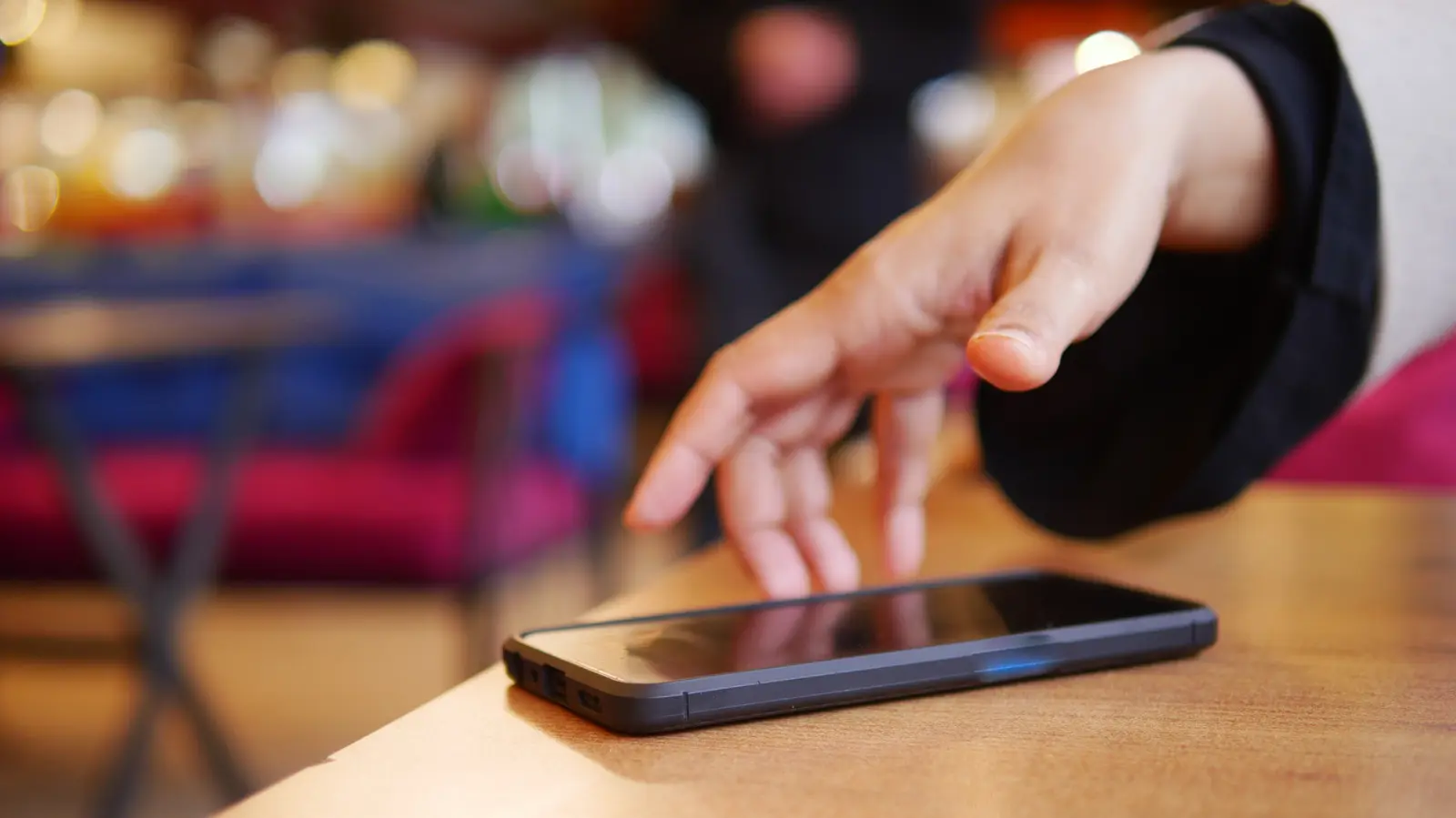
It's remarkable just how much a handheld communication device has transformed society. Believe it or not, it's been more than 50 years since the first cell phone call, and back then, these devices were anything but compact and weren't yet available to the public. It wasn't until 1984, when the Motorola DynaTAC 8000X hit the market, that people could widely get their hands on a cellphone. It weighed nearly two pounds (790 grams).
Of course, back then, these devices were simply phones, not the advanced internet-connected handheld computers with integrated cameras available today. In fact, as more advanced models gained popularity, they offered users so much functionality that 11 pieces of technology were made obsolete by the smartphone. From standalone GPS devices to digital cameras, portable music players, and even flashlights, the smartphone has become a universal tool. Yet, perhaps even more eye-opening are some of the statistics around smartphone use. For instance, according to ConsumerAffairs.com data, those in the U.S. glance at their phone around 205 times each day. Assuming a person is getting the recommended minimum of seven hours of sleep, that leaves 17 hours in a 24-hour period when an individual is awake. Using the above figures, on average, an American picks up their phone around 12 times per hour each day.
But why do people look at their phones so frequently?
When looking at the numbers, it's difficult to believe your typical user would feel the need to check their smartphone so often. The truth is, these devices can trigger psychological responses in users that may develop into compulsive behavior. The psychology at work here is a concept referred to as operant conditioning, which essentially describes how choices are influenced by the outcome of an action. When you glance at your phone, there may not be any new notifications, messages, or missed calls. However, when there are new stimuli, you're rewarded with a rush of dopamine, a neurotransmitter in the brain that creates positive feelings. This intermittent reinforcement—sometimes you get a reward, sometimes you don't—is highly effective at conditioning repeated behavior. It's the same mechanism that makes slot machines so addictive.
The sounds of alerts on your smartphone also play a role in this need to continually pick up the device. According to NetPsychology.org, a typical user can get as many as 96 notifications daily. These alerts can create a reaction so quickly within your brain that there isn't even time to think about it, releasing feel-good dopamine that reinforces compulsive checking. Notifications are designed by app developers to grab attention, using bright colors, sounds, and vibrations. Social media platforms, in particular, employ algorithms that maximize the likelihood of engagement, often by sending push notifications for likes, comments, or friend requests. Over time, the brain learns to associate the phone with a potentially pleasurable surprise, leading to frequent, sometimes unconscious reaches for the device.
Some have noticed the strong pull smartphones have on people, especially in public. Stories of visiting idyllic locations like the beach, only to notice they're filled with people completely immersed in their phone screens, aren't uncommon. The behavior has also been the subject of funny but disturbing comedy sketches, such as the YouTube channel Viva La Dirt League's video, "The world right now," showcasing something they call "Fone Face." This term describes the glazed-over expression people have when staring at their screens, oblivious to their surroundings. The phenomenon is so widespread that researchers have coined terms like "nomophobia" (fear of being without a mobile phone) and "phubbing" (snubbing someone in favor of your phone).
The impact of excessive phone use extends beyond social awkwardness. Studies have linked heavy smartphone use to increased anxiety, depression, and poor sleep quality. The blue light emitted by screens interferes with the production of melatonin, a hormone that regulates sleep. Additionally, constant multitasking and switching between apps can fragment attention spans and reduce the ability to focus deeply. For many, the phone becomes a source of stress rather than a tool for relaxation. Understanding these consequences is the first step toward gaining control.
Ways to reduce the hold your smartphone has on you
If you notice the number of times you pick up your phone is getting excessive, you can employ a few tactics to break the cycle. One option is to ditch your current device and opt for something far simpler and less flashy. You can choose from several of the most minimalist phones, such as the Light Phone II or the Punkt MP02, which can make activities like scrolling an exercise in patience and offer limited functionality to deter overuse. These phones typically offer only calling, texting, and a few basic apps, removing the temptation of social media, games, and endless browsing.
If switching to a new device is too much of a leap, you can also make subtle but impactful changes by altering some of the settings. Many smartphones offer some form of built-in tracking that allows you to get a look at your individual usage. For instance, Google offers an app, Digital Wellbeing, which shows your usage statistics and allows you to set limits. Apple has a similar feature called Screen Time. By reviewing your daily or weekly averages, you can identify which apps consume the most of your time and set caps. For example, you might limit social media apps to 30 minutes per day, after which they become inaccessible until the next day.
In addition, many applications send unnecessary notifications, but these can be silenced, removing the urge for you to pick up the phone in the event that it might be something important. Go into your phone's settings and disable all notifications except for those from essential apps like phone calls, messaging, and calendar reminders. You can also enable "Do Not Disturb" modes during work hours or while sleeping. Another effective strategy is to change your phone's display to grayscale. Without the vibrant colors that signal reward, the phone becomes less visually appealing, and you may find yourself reaching for it less often.
Also, while it may be challenging at first, simply placing the phone in another room for a while can provide a refreshing break. Designate phone-free times, such as during meals, while watching a movie, or for the first hour after waking up. Instead of reaching for your phone, try keeping a book nearby, a journal, or even a simple timer to remind yourself to take a break from screens. Some people find it helpful to charge their phone in a different room overnight, so they are not tempted to check it upon waking or during the night.
Building new habits takes time, but the rewards are significant. You may notice improved concentration, better sleep, and more meaningful face-to-face interactions. The key is to be mindful of the triggers that cause you to pick up your phone and to consciously replace that action with something more beneficial. With the right adjustments, you can reclaim control over your time and attention, making your smartphone a tool that serves you rather than the other way around.
Source: SlashGear News