

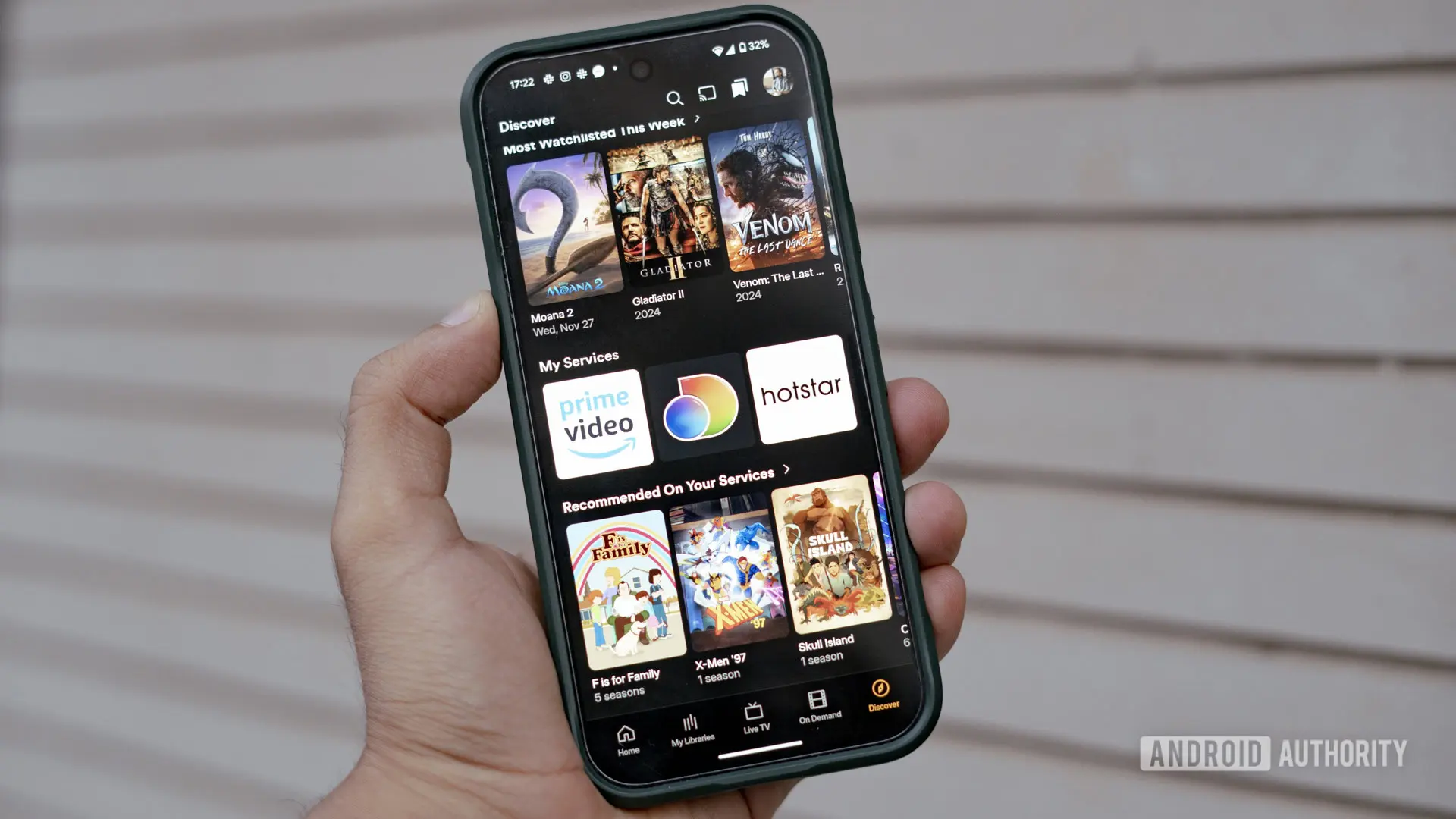
Plex has sent shockwaves through its user base with the announcement that the Lifetime Pass will triple in price from $249.99 to $749.99 starting July 1. This startling increase, first hinted at in May, gives prospective buyers only a few more days to lock in the current rate. The company has placed a prominent 'Last chance' banner on its website, urging undecided users to act quickly. Existing Lifetime Pass holders need not worry—their grandfathered status remains unchanged, and the monthly ($6.99) and yearly ($69.99) subscription options will stay at their current prices.
The move has sparked considerable debate in the home media server community. Plex, a popular platform for organizing and streaming personal media libraries, has long offered a Lifetime Pass as a one-time purchase that unlocks premium features like hardware-accelerated transcoding, offline downloads, and advanced music libraries. The new price represents a 200% increase, raising questions about the company's long-term strategy and the value proposition of its flagship product.
Why the sudden price hike?
In its initial announcement, Plex admitted that it had even considered eliminating the Lifetime Pass altogether. The company reasoned that recurring subscriptions provide a more predictable and sustainable revenue stream for ongoing development and server costs. By raising the Lifetime Pass price so dramatically, Plex is effectively discouraging new one-time purchases while still offering a path for dedicated users who want the convenience of a single payment. This strategy mirrors trends across the software industry, where companies like Adobe, Microsoft, and many streaming services have moved to subscription-only models. However, the size of the increase is unprecedented for a consumer-level media server product.
Plex's decision may also reflect the increasing complexity and cost of maintaining the service. The platform now supports live TV, DVR functionality, podcast integration, and even free ad-supported streaming channels. These features require ongoing investment in cloud infrastructure, content licensing, and development. By tripling the Lifetime Pass price, Plex hopes to capture more revenue from those who choose the upfront option, while steering the majority toward recurring payments.
What do you get with a Lifetime Pass?
For the uninitiated, a Lifetime Pass unlocks Plex's most advanced capabilities. These include hardware-accelerated transcoding (critical for streaming high-bitrate 4K content to multiple devices), offline syncing for mobile devices, intro and credit skipping, parental controls, and the ability to share your library with up to 15 users. Without a Pass, Plex is still usable but limited to basic streaming at lower quality with fewer simultaneous streams. The new price of $749.99 is nearly the cost of a decent used car or a high-end smartphone—a steep ask for a software license, even one that lasts a lifetime.
To put this into perspective, a yearly subscription at $69.99 would take over ten years to equal the new Lifetime Pass price. For many users, the subscription model makes more financial sense, especially if they are not certain they will use Plex for decades. However, the Lifetime Pass has always appealed to those who prefer a single payment and want to avoid recurring costs, particularly in an era of subscription fatigue.
User reactions and community response
When Plex first announced the increase in May, the reaction on social media and forums was largely negative. Many users expressed frustration at the aggressive pricing, with some vowing to migrate to alternative platforms such as Jellyfin (the free open-source option) or Emby (which offers a similar lifetime pass at $119.99). In an Android Authority poll, the most popular response (32% of votes) was 'Less than $100' as the maximum users would pay for a Lifetime Pass. Only 1% said they would pay $750 or anything to keep using Plex. Another 9% said they would not pay a dime.
The poll results indicate that Plex's core audience values the software but feels the new price is unjustified. Some users pointed out that the software's development pace has not accelerated to justify such a hike, while others criticized the company's communication style. The 'Last chance' banner, while effective as a marketing tactic, has been seen by some as pressure-selling. Nevertheless, for those who have already invested heavily in the Plex ecosystem—such as users with large libraries configured with metadata, custom scripts, and integrations—the cost of switching might outweigh the price of the pass.
Comparison with competitors
The media server market has several strong alternatives. Jellyfin is entirely free and open-source, offering many of the same features as Plex, though it lacks some polish and official app support on certain platforms. Emby, which once had a pricing model similar to Plex's, now charges $119 for a lifetime Premier subscription—far less than Plex's new price. Even Plex's own monthly subscription over ten years would be cheaper than the new Lifetime Pass. The competition makes the $750 price tag look even more extreme. Plex's advantage lies in its user-friendly interface, extensive device support, and the convenience of its hosted metadata and authentication services. For many users, that ecosystem is worth paying for, but the question is how much.
Plex also offers a free, ad-supported tier that includes its own streaming channels, which helps offset costs. However, the premium features unlocked by the Pass remain behind a paywall. The company has not announced any plans to lower the price or offer a phased increase, so the July 1 deadline is firm.
What should you do?
If you are already a committed Plex user and have been considering the Lifetime Pass, the advice is clear: purchase before July 1 to save $500. The transaction is handled through Plex's website and is tied to your account. After July 1, the price will triple, and there is no indication that it will ever return to $250. For those who are new to Plex or unsure about their long-term use, the monthly or yearly subscriptions remain a safe and flexible option. You can always upgrade to Lifetime later if the price becomes more palatable—though that may be unlikely given the upward trend.
Existing Lifetime Pass owners are unaffected and can continue to enjoy all benefits. The price increase only applies to new purchases, so there is no change to their experience. Plex has not announced any changes to the features offered with the Pass, so the value proposition remains the same as before.
Broader implications for the industry
This price hike is a significant milestone in the consumer software landscape. As more companies shift to subscription models, the concept of a 'lifetime' license becomes increasingly expensive. Plex's decision to triple the price while keeping the door open for a lifetime option is a bold experiment. It may succeed in generating immediate revenue from last-minute buyers and pushing others onto subscriptions, but it risks alienating the loyal user base that helped build the platform. The outcome of this move could influence how other companies approach similar pricing decisions.
In the end, the next two days represent a critical decision point for Plex enthusiasts. Whether you choose to buy the Lifetime Pass at the old price, switch to a subscription, or migrate to a competitor, the clock is ticking. Plex has made its position clear: the future of the Lifetime Pass is a premium one, and those who want it must pay a premium price.
Source: Android Authority News