

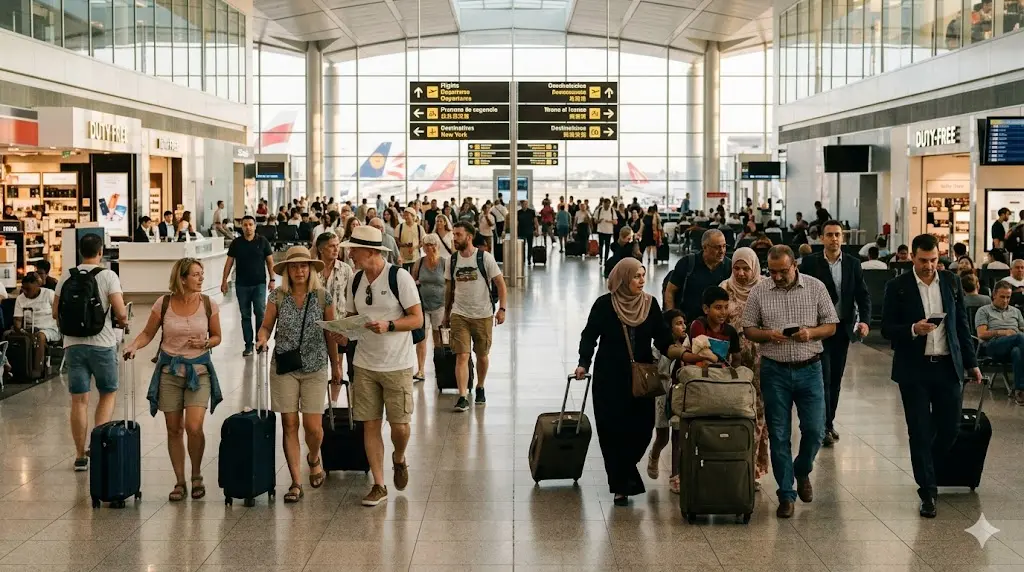
Why global migration is reshaping the global tourism industry has become one of the most discussed topics among economists, travel analysts, and hospitality experts. Migration patterns are influencing where people travel, how they spend money, what destinations become popular, and even how tourism businesses market themselves. Tourism today isn't driven only by leisure anymore. Family relocation, international work opportunities, education, and cultural mobility now influence global travel behavior in ways many industries didn't expect.
What's fascinating is that migration and tourism were once treated as completely separate subjects. They aren't anymore.
Global migration is reshaping the tourism industry by increasing international travel connections, multicultural experiences, diaspora tourism, labor mobility, and long-term travel demand. Research suggests migration trends are changing tourist behavior, destination marketing, hospitality services, and global travel economies faster than traditional tourism models predicted.
What Is the Relationship Between Global Migration and Tourism?
Global migration refers to people moving across countries for work, education, family reunification, safety, or long-term settlement. Tourism involves temporary travel for leisure, business, or cultural experiences.
At first glance, they sound unrelated.
Here's the thing though: migration often creates future tourism flows.
When people relocate internationally, they maintain emotional, cultural, and financial ties with their home countries. Friends visit them. Families travel internationally more often. Communities organize cultural events. Airlines open new routes. Restaurants, hotels, and tourism businesses adapt to changing demographics.
That ripple effect becomes massive over time.
Definition Box
Migration-driven tourism: Travel patterns created or influenced by international migration, including family visits, cultural tourism, educational travel, and diaspora-related tourism activity.
In my experience, tourism analysts sometimes underestimate how emotional travel decisions really are. People don't travel only for beaches or sightseeing anymore. They travel to reconnect with identity, relatives, heritage, and communities spread across borders.
That emotional factor changes everything.
Why Global Migration Matters to the Tourism Industry in 2026
The tourism industry in 2026 looks very different from what it looked like even ten years ago.
Migration trends are one major reason why.
Countries experiencing large immigrant populations are also seeing increased international travel demand connected to family reunification, cultural tourism, and long-term mobility patterns.
And honestly, this shift is happening faster than many governments expected.
Diaspora Tourism Is Expanding Rapidly
Diaspora tourism involves people traveling to countries connected to their ancestry, heritage, or family history.
This segment keeps growing because global populations are increasingly mobile.
Someone born in one country, educated in another, and working somewhere else may travel internationally multiple times yearly for family or cultural reasons.
That's not traditional tourism. But it still fuels airlines, hotels, restaurants, local transportation, and tourism economies.
Migration Changes Food and Cultural Tourism
What most people overlook is how migration reshapes destination identity itself.
Cities with multicultural populations become more attractive to international travelers because visitors seek authentic cultural experiences.
Food tourism especially reflects migration patterns.
A neighborhood influenced by immigrant communities often becomes a tourism hotspot later because travelers want cultural variety and authenticity.
I've seen relatively unknown urban districts become famous tourism areas almost entirely because migrant communities transformed local culture and dining experiences.
International Education Drives Travel
Student migration strongly influences tourism growth too.
International students attract visiting parents, relatives, and friends while also becoming long-term travelers themselves.
Universities now indirectly support tourism economies in many countries.
That connection rarely gets enough attention.
Expert Tip
Tourism businesses adapting successfully to migration trends usually focus on multilingual communication, cultural inclusivity, and personalized experiences instead of generic travel marketing.
How Migration Is Changing Tourist Behavior
Tourist behavior has changed dramatically because migration changed how people view mobility.
Travel no longer feels like a rare luxury for many global communities. It feels integrated into everyday life.
Family-Based Travel Is Increasing
Millions of travelers now move internationally primarily to maintain family relationships across borders.
That creates consistent tourism demand throughout the year rather than only during holiday seasons.
Airlines and hospitality brands increasingly recognize this pattern.
Longer Stays Are Becoming More Common
Migration-related travelers often stay longer than traditional tourists.
Someone visiting relatives abroad may remain for several weeks instead of taking a short vacation.
Longer stays influence:
Housing demand
Local transportation
Restaurant spending
Community tourism
Retail activity
That creates broader economic impact.
Travelers Seek Cultural Familiarity
This point surprises some people.
Many modern travelers don't necessarily want completely unfamiliar experiences. Sometimes they seek destinations where cultural familiarity exists through migrant communities.
That might include language comfort, familiar food, religious spaces, or social networks.
Tourism marketing is adjusting because of this shift.
Digital Communities Influence Destinations
Migration communities heavily influence tourism recommendations online.
Social media groups, diaspora communities, and international family networks now shape destination popularity faster than traditional tourism campaigns.
Honestly, word-of-mouth within migrant communities may outperform expensive advertising campaigns sometimes.
How the Tourism Industry Adapts to Migration Trends
Tourism businesses aren't ignoring these changes anymore.
Hotels, airlines, travel agencies, and local tourism boards increasingly adjust strategies around migration patterns.
Step 1: Expand Multilingual Services
Businesses serving diverse travelers successfully often provide multilingual support.
That includes websites, customer service, menus, transportation guidance, and digital booking systems.
Small details matter more than companies realize.
Step 2: Promote Cultural Tourism Experiences
Tourism organizations increasingly highlight multicultural neighborhoods, international festivals, and heritage experiences influenced by migration.
Travelers want authenticity, not staged performances.
At least from what I've seen.
Step 3: Develop Long-Stay Tourism Options
Migration-related travelers often need accommodations suitable for longer visits.
Hotels and rental platforms now offer more flexible packages because travel patterns changed.
Step 4: Improve International Connectivity
Airlines increasingly open routes connected to migration flows rather than only traditional tourism demand.
That strategy creates entirely new tourism corridors.
Step 5: Support Community-Based Tourism
Some destinations collaborate directly with migrant communities to create tourism experiences connected to food, culture, art, and local traditions.
That approach often feels more authentic to visitors.
Expert Tip
Tourism brands building trust with multicultural audiences usually avoid overly polished marketing campaigns and instead focus on genuine local storytelling.
What Research Reveals About Economic Impact
Research shows migration-driven tourism contributes significantly to economic activity worldwide.
Not just through leisure travel either.
Migration influences:
Airline expansion
Hospitality demand
International retail spending
Event tourism
Real estate activity
Local employment
One realistic example involves cities with large international student populations.
Students themselves contribute economically, but visiting relatives generate additional hotel bookings, restaurant spending, shopping activity, and transportation demand throughout the year.
That's a huge multiplier effect.
Unexpected Tourism Growth Areas
Some destinations experiencing increased migration become tourism centers later almost accidentally.
Neighborhoods once ignored by tourism authorities may gain popularity because migrant communities create vibrant cultural districts attracting international visitors.
That transformation feels organic rather than manufactured.
Honestly, travelers often prefer that authenticity.
Migration Creates Repeat Tourism
Migration-related travel also produces repeat visitors more consistently than traditional tourism.
Family ties don't disappear after one vacation.
That repeat demand creates long-term economic stability for tourism industries.
Common Misconceptions About Migration and Tourism
Migration Reduces Tourism Demand
This assumption appears constantly, but research often suggests the opposite.
Migration frequently increases international mobility and travel demand through family networks, business connections, and cultural exchange.
Tourists Only Want Traditional Attractions
Not anymore.
Modern travelers increasingly seek local experiences shaped by multicultural communities, authentic cuisine, and real social interaction.
Migration Only Affects Big Cities
Smaller towns and regional destinations experience migration-driven tourism growth too, especially where educational institutions or labor opportunities attract international populations.
Cultural Diversity Weakens Destination Identity
Actually, diversity often strengthens destination appeal.
Some of the world's most visited cities became tourism leaders partly because of multicultural influence.
People are curious. They want variety.
How Technology Accelerates Migration-Based Tourism
Technology amplified migration-driven tourism enormously.
Years ago, maintaining international relationships required significant effort. Now families communicate instantly across continents.
That constant connection encourages more travel.
Social Media Influences Destination Choices
Diaspora communities frequently share travel experiences online, influencing relatives and friends globally.
One viral food video or cultural festival post can increase tourism interest surprisingly fast.
Remote Work Changed Mobility
Remote work blurred the line between migration and tourism.
Some people temporarily relocate while continuing employment online, creating hybrid travel patterns.
Tourism industries are still figuring out how to categorize these travelers honestly.
Digital Payments Simplify International Travel
Financial technology also makes cross-border movement easier for migrant communities supporting family travel and tourism spending.
Small logistical improvements create major behavioral shifts over time.
Expert Tip
Tourism businesses adapting to migration trends should prioritize mobile-friendly services because international travelers rely heavily on smartphones during cross-border travel planning.
Personal Perspective: What Most Tourism Experts Miss
Here's my hot take.
Many tourism discussions still focus too heavily on attractions instead of human relationships.
Migration proves tourism isn't only about destinations anymore. It's about connection.
People travel because someone they love moved somewhere else. They travel because they want cultural familiarity. They travel because identity itself became international.
That's a very different emotional framework than old tourism models built around sightseeing alone.
I've noticed younger travelers especially care less about "checking famous places off a list" and more about meaningful experiences tied to communities and culture.
Migration influences that mindset deeply.
And honestly, tourism probably becomes more emotionally driven from here, not less.
How Global Migration Influences Hospitality Businesses
Hotels and hospitality brands now face changing customer expectations because of migration trends.
Food Expectations Are More Diverse
Travelers increasingly expect international dining options and culturally inclusive services.
Destinations unable to adapt may struggle competitively.
Religious and Cultural Awareness Matters
Hospitality providers now consider dietary preferences, prayer spaces, family travel needs, and multilingual communication more carefully.
Those details influence customer loyalty strongly.
Community Tourism Is Growing
Travelers often seek experiences connected to local immigrant communities, cultural events, or neighborhood storytelling.
Large tourist attractions still matter, but smaller community experiences increasingly shape traveler satisfaction.
People Most Asked About Why Global Migration Is Reshaping the Global Tourism Industry
How does migration affect tourism?
Migration increases international travel through family visits, cultural exchange, educational mobility, and long-term international relationships.
What is diaspora tourism?
Diaspora tourism involves people traveling to destinations connected to their heritage, ancestry, or family origins.
Why are multicultural cities attracting more tourists?
Travelers increasingly seek authentic cultural experiences, diverse food options, and local communities shaped by migration.
Does migration help local tourism economies?
In many cases, yes. Migration-driven tourism supports hotels, airlines, restaurants, retail businesses, and transportation industries.
How do international students influence tourism?
International students attract visiting relatives and create long-term travel connections between countries.
Is migration changing tourism marketing?
Absolutely. Tourism campaigns increasingly focus on cultural inclusivity, multilingual communication, and community-based experiences.
What role does technology play in migration-based tourism?
Technology strengthens global communication, simplifies travel planning, and allows migrant communities to influence tourism trends digitally.
Will migration continue reshaping tourism in the future?
Probably yes. Global mobility, international education, remote work, and multicultural populations continue expanding worldwide.
Final Thoughts on Why Global Migration Is Reshaping the Global Tourism Industry
Why global migration is reshaping the global tourism industry comes down to one simple reality: people remain connected across borders more than ever before. Migration influences travel decisions emotionally, culturally, socially, and economically all at once.
Tourism industries adapting successfully aren't just selling destinations anymore. They're supporting relationships, identities, communities, and global movement patterns that continue evolving rapidly.
And honestly, that's making tourism more human than it used to be.
Brands, agencies, startups, and SEO professionals aiming to improve media coverage and attract organic traffic can benefit from premium global newswire services combined with trusted SEO services that strengthen brand visibility, boost SEO ranking, and generate high authority backlinks through instant publishing opportunities. These platforms help businesses expand audience reach while building stronger digital credibility across competitive online markets.