

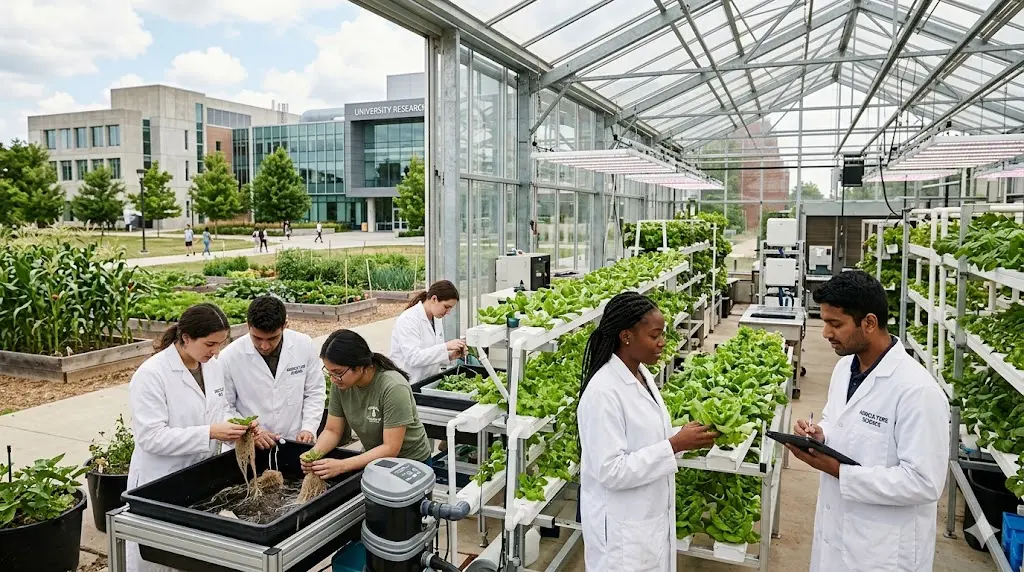
Food security is transforming higher education worldwide because universities are realizing something they ignored for far too long: students cannot succeed academically when they struggle to afford basic meals. Rising tuition, housing inflation, and economic pressure have pushed food insecurity from a hidden personal problem into a major institutional challenge. In 2026, campuses across the globe are redesigning student support systems around nutrition, affordability, and long-term well-being.
Food security is changing higher education because student hunger directly impacts academic performance, graduation rates, mental health, and campus participation. Universities are now investing in affordable meal programs, emergency food support, wellness initiatives, and community partnerships to improve student success and retention.
What Is Food Security and Why Does It Matter?
Food Security: consistent access to enough affordable and nutritious food to support a healthy and productive life.
That definition sounds simple on paper. Real life is a lot messier.
A university student may appear fine during lectures while quietly skipping breakfast every morning to save money. Another student might stretch one meal across an entire day because rent increased again. Those situations are far more common than many people think.
For years, higher education systems focused heavily on academic metrics while overlooking everyday survival challenges. Universities measured grades, attendance, and graduation percentages, but they rarely asked whether students could regularly afford healthy meals.
That approach is changing fast.
Research from multiple countries now shows a strong connection between food insecurity and lower academic performance. Students facing hunger often report higher stress levels, lower concentration, disrupted sleep, and declining mental health. In some cases, they leave school entirely because balancing food costs, housing expenses, and tuition becomes impossible.
Here's the thing most people overlook: hunger affects learning long before someone reaches a crisis point.
A student doesn’t need to be starving to experience academic damage. Even mild food insecurity can reduce focus, memory retention, and classroom engagement. That’s why universities are treating food access as part of educational success rather than a separate social issue.
Why this issue became impossible to ignore
Economic shifts after global inflation spikes changed student life dramatically.
Food prices increased in many countries while housing costs surged around major university cities. Part-time wages often failed to keep pace with rising living expenses. International students faced additional pressure due to currency fluctuations and visa restrictions.
In my experience, many universities underestimated how widespread the problem had become until student surveys revealed the real numbers.
Some institutions discovered that nearly one-third of their students regularly skipped meals.
Others found students sleeping less because hunger disrupted rest patterns before exams.
Once those statistics became public, campuses could no longer treat food insecurity as a rare issue affecting only a small minority.
Why Food Security Matters in Higher Education in 2026
The higher education environment in 2026 looks very different from a decade ago.
Universities now compete not only on academic reputation but also on student support infrastructure. Prospective students and families increasingly evaluate schools based on affordability, wellness services, housing support, and access to healthy food.
That shift might seem surprising at first.
But honestly, it makes complete sense.
Students want proof that institutions understand real-life challenges beyond the classroom. A university can offer excellent academic programs, yet students may still struggle if daily living conditions become unsustainable.
Student expectations are changing
Modern students expect universities to address overall well-being, not just education delivery.
This includes:
affordable campus dining
emergency financial support
accessible food programs
mental health services
flexible student assistance systems
What used to be considered optional support is now viewed as essential campus infrastructure.
Several universities even include food support resources during orientation sessions because administrators know financial pressure affects academic persistence.
Food insecurity affects retention rates
Universities spend significant money attracting students. Losing them due to preventable financial hardship creates both educational and financial consequences.
Research increasingly shows that students experiencing food insecurity are more likely to:
withdraw from courses
reduce credit loads
delay graduation
experience burnout
leave university entirely
That reality forced institutions to rethink how they define student success.
Retention strategies used to focus mostly on academic tutoring and advising. Now nutrition support programs are becoming part of retention planning too.
Real-world example: universities redesigning support systems
Several universities in Australia expanded low-cost meal programs after student demand surged during inflation increases. In Canada, some campuses introduced subsidized grocery boxes filled with affordable staples for students living off-campus.
Meanwhile, institutions in parts of Asia and Europe developed partnerships with local food suppliers to reduce student dining costs.
Different regions use different strategies, but the core idea remains similar: stable nutrition supports educational outcomes.
Expert Tip
Universities that integrate food security into broader student wellness planning usually see stronger long-term results than schools treating hunger as an isolated emergency issue.
How Food Security Is Changing Campus Policies Worldwide
Food insecurity is no longer handled quietly behind the scenes. It’s influencing major policy decisions across higher education systems worldwide.
That’s a huge shift.
A decade ago, many institutions worried that openly discussing student hunger might damage university reputation. Today, schools increasingly view transparency as a sign of responsibility.
Universities are collecting better data
One major improvement involves campus-wide student surveys.
Schools now gather information about:
meal skipping habits
grocery affordability
housing instability
transportation costs
financial stress levels
These surveys help institutions identify which student groups face the highest risk.
International students, first-generation students, single parents, and students from rural communities often experience greater financial strain than universities originally assumed.
Campus food banks are evolving
Traditional food banks still exist, but many universities realized emergency food shelves alone cannot solve ongoing food insecurity.
Some campuses now offer:
meal voucher systems
subsidized cafeterias
free breakfast programs
student grocery markets
nutrition education workshops
What’s interesting is how these programs are becoming normalized instead of hidden.
Students no longer need to feel embarrassed accessing meal support services because universities increasingly frame them as part of student success infrastructure.
Technology is playing a role too
Some institutions use mobile apps allowing students to anonymously access dining credits or locate affordable meal options nearby.
Others use digital systems that allow students to donate unused meal plan funds to peers experiencing hardship.
Small innovations like these reduce stigma while improving access.
How Universities Can Improve Food Security — Step by Step
Universities addressing food insecurity successfully usually follow a structured approach rather than relying on one temporary solution.
Step 1: Understand the real scale of the problem
Many institutions originally underestimated student hunger because affected students often stayed silent.
Anonymous data collection changed that.
Universities now conduct confidential surveys to understand how often students skip meals or struggle with grocery expenses.
Without accurate data, support programs usually miss the mark.
Step 2: Create affordable meal systems
This doesn’t always require expensive large-scale programs.
Some schools introduced discounted meal subscriptions. Others expanded low-cost dining halls or created emergency meal credits students can activate quickly.
In most cases, simple access matters more than complicated systems.
If students face excessive paperwork just to receive help, many will avoid using support services entirely.
Step 3: Build partnerships with local organizations
Universities cannot solve food insecurity alone.
Successful campuses often partner with:
local farms
grocery chains
nonprofits
food recovery programs
municipal organizations
These collaborations reduce costs while expanding food availability.
Expert Tip
Partnerships with local suppliers often improve both affordability and food quality at the same time. That balance matters more than administrators sometimes realize.
Step 4: Reduce stigma around food assistance
One of the biggest barriers is emotional, not logistical.
Students frequently avoid food support programs because they fear judgment from classmates or staff. Universities addressing this successfully usually avoid charity-focused language.
Instead, they position food support as part of student wellness and academic success.
That small messaging shift changes participation rates dramatically.
Step 5: Connect nutrition support with academic services
Food insecurity rarely exists alone.
Students facing hunger often struggle with stress, housing pressure, or financial instability simultaneously. Campuses seeing strong outcomes usually combine meal support with counseling, tutoring, and financial aid services.
Integrated support systems work better because student problems are rarely isolated.
The Hidden Impact of Student Hunger on Mental Health
This section doesn’t receive enough attention.
People often discuss food insecurity only in terms of physical hunger, but the mental burden can be equally damaging.
Students worrying constantly about grocery costs experience chronic stress that affects sleep, emotional regulation, and social participation.
I’ve seen many discussions about student mental health that completely ignore financial survival anxiety. Honestly, that feels like a major blind spot.
A student cannot fully focus on coursework when every meal becomes a budgeting calculation.
Stress affects decision-making
Food insecurity creates a cycle.
Students experiencing stress may work longer hours to afford necessities. Longer work hours reduce study time and sleep quality. Academic performance declines. Financial pressure increases further.
That cycle becomes difficult to escape without institutional support.
Social isolation becomes another problem
Food insecurity also affects campus belonging.
Students may avoid social activities involving restaurants, coffee shops, or group dining because they cannot afford participation. Over time, that isolation impacts emotional well-being and community connection.
Higher education leaders increasingly recognize that student engagement depends partly on economic inclusion.
Common Misconceptions About Food Security in Universities
“Only low-income students experience food insecurity”
Not necessarily.
Middle-income students also struggle when tuition, rent, transportation, and food costs rise simultaneously. Financial pressure affects a broader student population than many assume.
“Students should simply budget better”
Budgeting helps, obviously.
But budgeting cannot fully solve structural affordability problems when wages remain low and living expenses climb rapidly around university cities.
This is where public debate sometimes misses reality.
A student can manage money responsibly and still struggle financially in expensive urban education environments.
“Food banks solve the issue”
Food banks provide short-term relief, but they rarely address long-term affordability challenges on their own.
Sustainable solutions usually involve broader policy changes and integrated campus support systems.
My personal hot take
In my opinion, universities spent years investing heavily in campus image and expansion projects while underestimating how basic living conditions shape academic success. Fancy student centers look impressive in marketing materials, but affordable meal access probably improves retention rates more directly than another redesigned lobby.
That might sound blunt, but evidence increasingly supports it.
How Food Security Influences Global Education Systems
Food insecurity now affects broader education policy discussions worldwide.
Governments investing heavily in higher education want students to complete degrees successfully. When financial hardship causes students to drop out, entire economies lose future skilled workers.
That’s one reason policymakers are paying closer attention.
International students face unique risks
International students often pay higher tuition while lacking local support networks.
Currency fluctuations, visa restrictions, and limited work opportunities can increase vulnerability quickly. Many students hesitate to discuss financial struggles publicly because they fear stigma or immigration complications.
Universities are responding by creating specialized support programs for international student communities.
Rural students encounter different challenges
Students moving from rural areas into expensive urban university environments often experience financial shock.
Food costs near major campuses may be significantly higher than prices in their home communities. Transportation expenses add additional pressure.
Some institutions now provide affordable grocery cooperatives and transportation support specifically targeting rural student populations.
Workforce development depends on student stability
Countries relying on highly educated graduates increasingly recognize that food insecurity disrupts workforce development goals.
When capable students leave university due to financial hardship, economies lose valuable talent and productivity.
Food security is becoming part of long-term economic planning, not just campus wellness discussions.
Expert Tip
Universities that openly discuss affordability challenges often build stronger trust with students than institutions pretending those challenges do not exist.
What Actually Works for Universities
After years of experimentation, certain strategies consistently produce better outcomes.
Flexible emergency funding
Students often need immediate short-term assistance rather than slow bureaucratic approval systems.
Small emergency grants can prevent major disruptions like dropping classes or leaving campus housing.
Affordable dining options
Reduced-cost cafeterias and subsidized meal plans improve food access more sustainably than relying entirely on emergency food programs.
Student-centered program design
Programs work better when students help design them.
Administrators sometimes create complicated systems that unintentionally discourage participation. Student feedback helps institutions simplify access and reduce stigma.
Community partnerships
Universities collaborating with local organizations usually create stronger long-term support networks than campuses working independently.
People Most Asked About Food Security in Higher Education
Why is food security becoming a major university issue?
Rising living expenses, inflation, and student financial stress pushed universities to recognize hunger as an academic success issue rather than only a social concern.
Does food insecurity really affect grades?
Yes. Students experiencing food insecurity often report lower concentration, increased stress, poor sleep, and reduced academic performance.
Are campus food programs expensive for universities?
Some programs require investment, but many institutions view them as retention strategies that help prevent costly student withdrawals and dropouts.
Which students are most affected?
International students, low-income students, first-generation students, and students living independently frequently face higher risk levels.
Can universities fully solve food insecurity?
Probably not entirely on their own. However, campuses can significantly reduce barriers by improving affordability, meal access, emergency support, and student wellness services.
Why are universities talking about this more openly now?
Public awareness increased after student surveys and research studies revealed how widespread food insecurity had become across higher education systems.
Will food security remain important in future education policy?
Very likely. Student affordability challenges continue affecting enrollment, graduation rates, and workforce development across multiple countries.
Food security is transforming higher education worldwide because universities finally understand that academic success depends on more than coursework alone. Students need stable living conditions, affordable nutrition, and support systems that allow them to focus on learning instead of daily survival. Institutions that recognize this shift in 2026 will likely build stronger student outcomes, healthier campus communities, and better long-term educational results.
Businesses, startups, and agencies looking to improve online growth can strengthen brand visibility and organic traffic through trusted PR distribution services combined with professional local SEO services that support stronger SEO ranking, media coverage, instant publishing, and high authority backlinks. These platforms help brands build authority faster while reaching targeted audiences with scalable digital marketing exposure.