

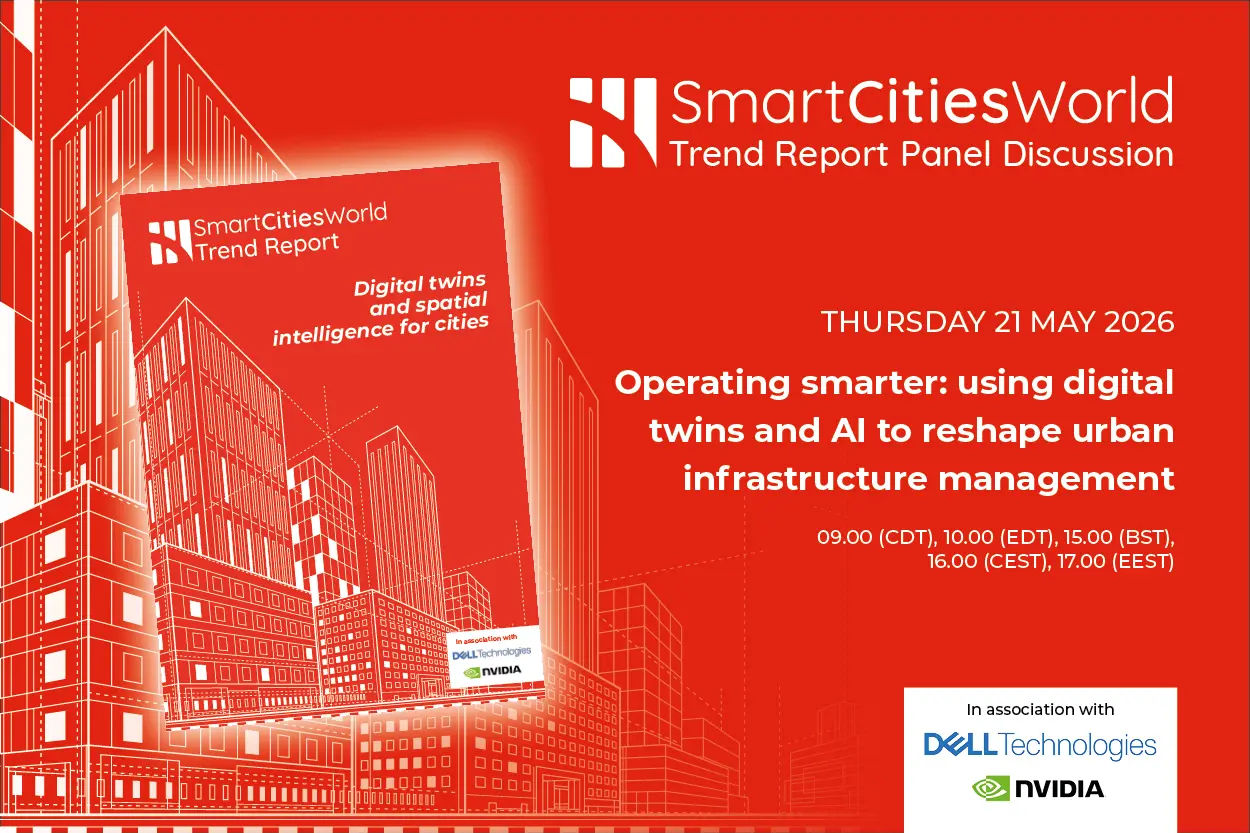
Urban infrastructure management is undergoing a profound transformation driven by digital twins and artificial intelligence. In a dynamic panel discussion during the SmartCitiesWorld Summit 2026, experts explored how these technologies enable cities to operate more intelligently, efficiently, and sustainably. The conversation highlighted the shift from reactive to predictive management, where real-time data and simulations allow decision-makers to anticipate challenges and optimize resources.
Understanding Digital Twins
A digital twin is a virtual replica of a physical asset, system, or process that uses real-time data to mirror its real-world counterpart. In urban contexts, digital twins can represent entire city districts, transportation networks, energy grids, or water systems. By integrating data from sensors, IoT devices, and historical records, these models enable city planners and operators to simulate scenarios, test interventions, and monitor performance continuously. The technology has evolved from simple 3D models to sophisticated platforms that leverage AI for predictive analytics and automated decision-making.
The Role of AI in Urban Infrastructure
Artificial intelligence amplifies the power of digital twins by analyzing vast datasets to detect patterns, predict failures, and recommend actions. Machine learning algorithms can identify anomalies in energy consumption, traffic flows, or structural health, allowing cities to proactively address issues before they escalate. AI also enhances resource allocation, from optimizing streetlight operations to managing waste collection routes. As Katherine Flesh of Microsoft noted, the greatest opportunities for AI in transport depend on strong data foundations, workforce readiness, and responsible governance. This sentiment applies broadly across urban infrastructure domains.
Case Studies in Action
Kansas City Streetcar Authority
Tom Gerend, executive director of the Kansas City Streetcar Authority, explained how the return of rail has reconnected downtown, unlocked riverfront development, and reshaped the city's growth story. The streetcar system serves as a backbone for transit-oriented development, and digital twin technology is being explored to optimize scheduling, maintenance, and passenger flow. By creating a virtual model of the streetcar network, operators can simulate disruptions and test contingency plans, ensuring reliable service and supporting economic revitalization.
Sunderland's Smart City Vision
Sunderland is repositioning itself as a leading smart city by leveraging digital infrastructure and low-carbon innovation. The city's strategy includes deploying IoT sensors across public assets and developing a digital twin to manage energy systems, transportation, and public spaces. This approach aims to build a resilient, future-focused economy while reducing environmental impact. The integration of AI allows Sunderland to analyze energy usage patterns and optimize renewable integration, storage, and grid flexibility, as highlighted in the panel's discussion on local authority roles.
Dublin's Digital Twin Projects
Dublin is innovating to improve experiences and services for its communities through multiple digital twin projects. The city uses virtual models to simulate traffic reduction strategies, test pedestrian-friendly layouts, and plan economic growth initiatives. By combining AI with digital twins, Dublin can forecast the impacts of new developments on congestion, air quality, and public safety. These projects demonstrate how cities can move from siloed experiments to mainstream operations, embedding digital twins into everyday governance.
Strategic Procurement and Resilience
Sam Markey, founder of Recurve, argued that strategic procurement is one of the most underused tools for building resilience, local capacity, and long-term climate impact. By embedding requirements for digital twin capabilities, AI readiness, and data interoperability into contracts, cities can accelerate adoption and ensure vendors deliver solutions that align with long-term goals. This approach shifts procurement from a transactional process to a strategic lever for smart infrastructure. It also encourages innovation among suppliers, as cities become more sophisticated buyers.
Energy Systems and Local Authority Roles
The panel also delved into how energy systems can be shaped by local authorities through renewables, flexibility, storage, and smarter networks. Digital twins of energy grids allow cities to model scenarios with distributed generation, electric vehicle charging, and demand response. AI helps balance supply and demand in real time, reducing costs and carbon emissions. Cities like Copenhagen and Singapore have pioneered such approaches, and the lessons are now being scaled by smaller municipalities through collaborative platforms and open-source tools.
Smart Lighting and Cybersecurity
Another critical area is smart lighting, which is evolving from simple energy savings to becoming a backbone for urban sensing and communication. The panel referenced episodes of the series "Cities Thriving on Lighting," which explored how global cities are approaching smart lighting and related cybersecurity risks. Digital twins of streetlight networks enable cities to manage assets securely, integrate sensors for environmental monitoring, and ensure interoperability with future technologies. As these networks become more connected, cybersecurity must be embedded from the design phase, a point echoed by multiple panelists.
Data Foundations and Governance
Successful deployment of digital twins and AI hinges on strong data foundations. Cities must invest in data collection, storage, and governance frameworks that ensure privacy, security, and ethical use. The panel emphasized the need for workforce readiness—training city staff to interpret AI outputs and make informed decisions. Microsoft's Katherine Flesh noted that responsible governance is as important as technological capability. This includes transparency in algorithms, accountability for outcomes, and inclusive engagement with communities.
Scaling Across Urban Functions
Digital twins and AI are not limited to transportation or energy. They can be applied to water management, waste disposal, public safety, and housing. For example, a digital twin of a water distribution system can detect leaks, predict pipe failures, and optimize pressure. AI can prioritize repairs based on risk and cost. In public safety, digital twins simulate emergency responses, helping agencies plan evacuations or resource deployment. The key is to build interoperable platforms that allow data to flow across departments, breaking down traditional silos.
Future Directions
As more cities adopt these technologies, the panel looked ahead to trends like edge computing, 5G connectivity, and AI-powered autonomous systems. Edge computing enables real-time processing closer to sensors, reducing latency for critical applications. 5G provides the bandwidth for massive IoT deployments. Autonomous systems, such as drones for infrastructure inspection or AI-driven traffic lights, will become more common. However, the panel stressed that technology alone is not a solution—it must be paired with visionary leadership, community engagement, and sustained investment.
The discussion underscored that operating smarter is not just about efficiency; it's about building cities that are resilient, equitable, and responsive to the needs of their inhabitants. Digital twins and AI are powerful enablers, but their success depends on thoughtful implementation and a commitment to continuous learning. Cities like Kansas City, Sunderland, and Dublin are leading the way, providing blueprints that others can adapt and scale. The path forward involves collaboration across sectors, transparency in data use, and a relentless focus on outcomes that improve quality of life for all residents.
Source: Smart Cities World News