

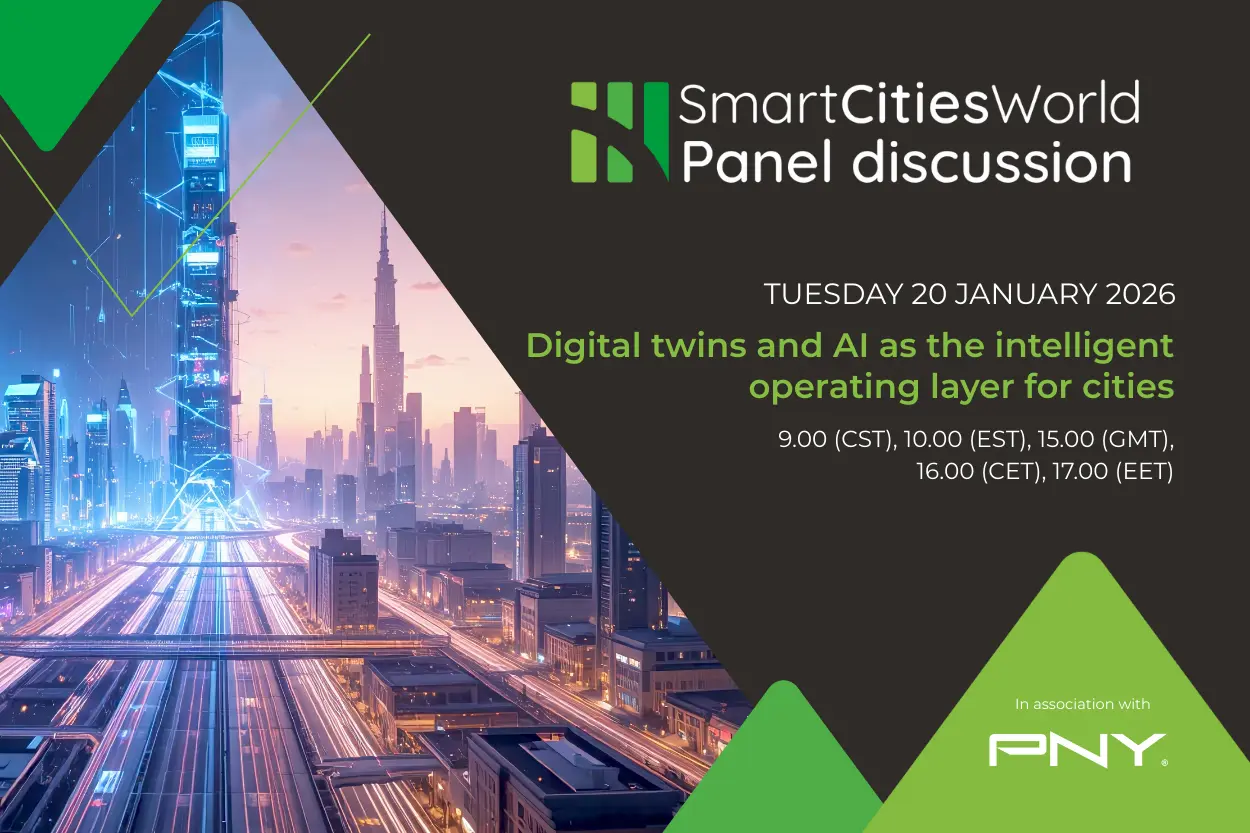
Digital twins and artificial intelligence are increasingly recognized as the intelligent operating layer for cities, enabling local authorities to manage complex urban systems with unprecedented efficiency and foresight. As highlighted in recent discussions, these technologies allow cities to simulate, predict, and optimize everything from energy grids to transportation networks, creating a resilient and responsive infrastructure. This article explores how cities are moving AI into mainstream government operations, examining key applications, challenges, and strategies that are shaping the future of urban living.
The Evolution of Digital Twins in Urban Management
The concept of a digital twin—a virtual replica of a physical system—has matured significantly over the past decade. Initially developed for manufacturing and aerospace engineering, digital twins are now being adopted by cities to model their built environment, energy flows, transportation corridors, and even social dynamics. When powered by AI, these replicas become not just mirrors but active decision-support tools. They can run thousands of simulations to test policies, predict the impact of new developments, and optimize resource allocation in real time. For example, a city can model the effects of a new housing development on traffic patterns, air quality, and energy demand before breaking ground. This predictive capability is crucial for sustainable urban planning, especially as cities face pressure to reduce carbon emissions and adapt to climate change.
Energy Systems: The First Frontier
One of the most promising applications is in energy management. Local authorities are increasingly shaping the transition to renewables, flexibility, storage, and smarter networks. A digital twin of a city's energy grid can identify bottlenecks, plan for peak demand, and integrate distributed energy resources like rooftop solar panels, battery storage, and electric vehicle chargers. AI algorithms analyze historical consumption data, weather forecasts, and real-time sensor inputs to predict load and optimize generation. For instance, during a heatwave, the system can pre-cool buildings to reduce peak load, or during high wind generation, it can instruct electric vehicle chargers to absorb excess power. According to Sam Markey, Founder of Recurve, strategic procurement is one of cities' most underused tools for building resilience, local capacity, and long-term climate impact. Instead of simply buying the lowest-cost solution, cities can embed sustainability criteria into every contract. When procuring a digital twin platform, for example, they can require AI capabilities for real-time carbon monitoring, life-cycle analysis, and integration with renewable energy sources. This shifts the focus from short-term savings to long-term resilience, ensuring that technology investments align with climate goals.
Transport and Mobility: Reconnecting Cities
Digital twins and AI are also transforming urban transport. Tom Gerend, executive director of the Kansas City Streetcar Authority, explains how the return of rail has reconnected downtown Kansas City, unlocked riverfront development, and reshaped the city's growth story. The streetcar line, which opened in 2016, has catalyzed over $3 billion in private investment along its 2.2-mile route. Behind the scenes, a digital twin of the transit system models ridership patterns, optimizes schedules, and plans extensions. AI algorithms analyze data from ticketing systems, traffic sensors, and mobile apps to predict demand and adjust service frequency in real time. This not only improves the passenger experience but also reduces operational costs and emissions. For example, during major events, the system can add extra cars or adjust timetables to handle surges. The Kansas City example shows how modern transit systems rely on a digital operating layer to function efficiently, and how strategic investment in rail can reshape urban form.
Sunderland's Smart City Transformation
In the United Kingdom, Sunderland is repositioning itself as a leading smart city by using digital infrastructure and low-carbon innovation. The city has developed a comprehensive digital twin that integrates energy, transport, waste management, and public services. By feeding AI models with data from thousands of IoT sensors, the city can predict air quality spikes, optimize bin collection routes, and manage energy consumption in municipal buildings. Sunderland's smart city initiatives include a district heating network that uses waste heat from data centers, and a digital platform for residents to report issues and access services. The digital twin allows the council to test interventions virtually—for instance, simulating the impact of a new bike lane on traffic flow or the effect of retrofitting public housing with solar panels. This evidence-based approach helps attract investment and improves quality of life for residents.
Dublin's Digital Twin-Driven Innovation
Dublin is another city making significant strides. The Irish capital is using digital twin projects to improve traffic reduction, economic growth, and community services. The city's digital twin models pedestrian flows, vehicle movements, and land use patterns. Policymakers can simulate the effects of closing a street to cars, adding protected bike lanes, or rezoning for mixed-use development. Dublin has also deployed AI-powered traffic management systems that adjust signal timings in real time based on congestion data, reducing travel times by up to 15%. Beyond transport, the digital twin helps plan for climate resilience, such as identifying areas vulnerable to flooding or heat islands. By integrating data from multiple departments, Dublin aims to create a single source of truth for urban planning, breaking down silos that often hinder effective governance.
Smart Lighting: A Connected Backbone
Smart lighting is emerging as a key component of the intelligent operating layer. Upcoming episodes of the series "Cities Thriving on Lighting" have highlighted how cities are approaching smart lighting and the related cybersecurity risks. Modern streetlights equipped with sensors for air quality, noise, and motion create a mesh network that collects valuable data. AI can analyze this data to adjust lighting levels based on pedestrian presence, reducing energy consumption by up to 70%. However, with increased connectivity comes cyber risk. Cities must ensure that their lighting networks are secure, interoperable, and future-proof—requirements that are easier to manage when the entire system is modeled in a digital twin. By simulating cyberattacks or hardware failures, the twin helps municipal IT teams identify vulnerabilities and plan mitigations before they become real threats.
AI Governance: Data Foundations and Trust
As transport agencies and other city departments turn to AI to improve services, the greatest opportunities depend on strong data foundations, workforce readiness, and responsible governance. Katherine Flesh from Microsoft notes that AI can transform transit through predictive maintenance, dynamic scheduling, and personalized travel information. But without clean, accessible data and staff trained to use AI tools, these benefits remain theoretical. Cities must invest in data infrastructure, data governance policies, and training programs. Furthermore, trust is essential when AI makes decisions that affect citizens' lives. For instance, when using AI to prioritize road repairs or allocate social services, the algorithms must be transparent, fair, and auditable. Digital twins can help by simulating the impact of different policies on various demographics, highlighting potential biases before deployment.
Personalized Government Services
Trend reports on AI for personalized government services emphasize building trust and inclusivity. By tailoring services to individual needs—such as recommending energy-saving measures, providing real-time transit updates, or streamlining permit applications—cities can improve satisfaction and uptake. AI-driven chatbots, for example, can handle routine inquiries 24/7, freeing staff for complex cases. However, personalization requires data integration and privacy protections. Digital twins offer a framework for aggregating data from disparate sources while respecting governance rules. They also allow cities to experiment with different personalization models in a safe environment before going live.
Ecomondo, a leading event for green technologies, has discussed priorities shaping healthier, more sustainable cities. The convergence of digital twins and AI is a recurring theme, as cities seek to move from isolated pilot projects to integrated operational layers. The SmartCitiesWorld Summit (referenced in original content) provides a platform for sharing practical solutions and building connections across sectors. Several on-demand webinars have focused on preparing for AI by understanding the data groundwork, as demonstrated by Sunderland's approach.
Digital twins and AI are not just technological novelties; they are becoming the intelligent operating layer that enables cities to function more effectively. From energy and transport to lighting and public services, these technologies provide a holistic view of urban systems and the tools to optimize them. The key is strategic implementation: investing in data governance, upgrading infrastructure, training staff, and fostering collaboration across departments and with private partners. As cities like Sunderland, Dublin, and Kansas City demonstrate, the payoff is a more resilient, sustainable, and livable urban environment. The path forward involves ongoing collaboration between government, industry, and academia to ensure that the intelligent operating layer serves the public good, with transparency and accountability at its core.
Source: Smart Cities World News