

Xiaomi 18 Pro price leak: A 20% jump on the horizon
A fresh leak out of China suggests Xiaomi's upcoming premium flagship could jump to around 6,000 yuan (roughly $882), marking a noticeable increase over the current generation. While tipster Digital Chat Station's Weibo post doesn't explicitly name the device, the timing and pricing make it pretty clear that it's talking about the Xiaomi 18 Pro. If true, this would be one of Xiaomi's biggest flagship price hikes in recent memory.
By comparison, the Xiaomi 17 Pro was introduced in China at 4,999 yuan ($734). A starting price of 6,000 yuan would be a 20% jump, making the next Pro model significantly more expensive right out of the gate. The probable culprit is not hard to guess. Industry observers have been warning about rising memory costs, with DRAM and NAND prices expected to climb as suppliers shift production toward AI-focused hardware. Those increases eventually trickle down to consumer devices, particularly high-end smartphones that come with large amounts of RAM and fast storage. If component costs keep rising, manufacturers might have little choice but to pass some of that cost on to buyers.
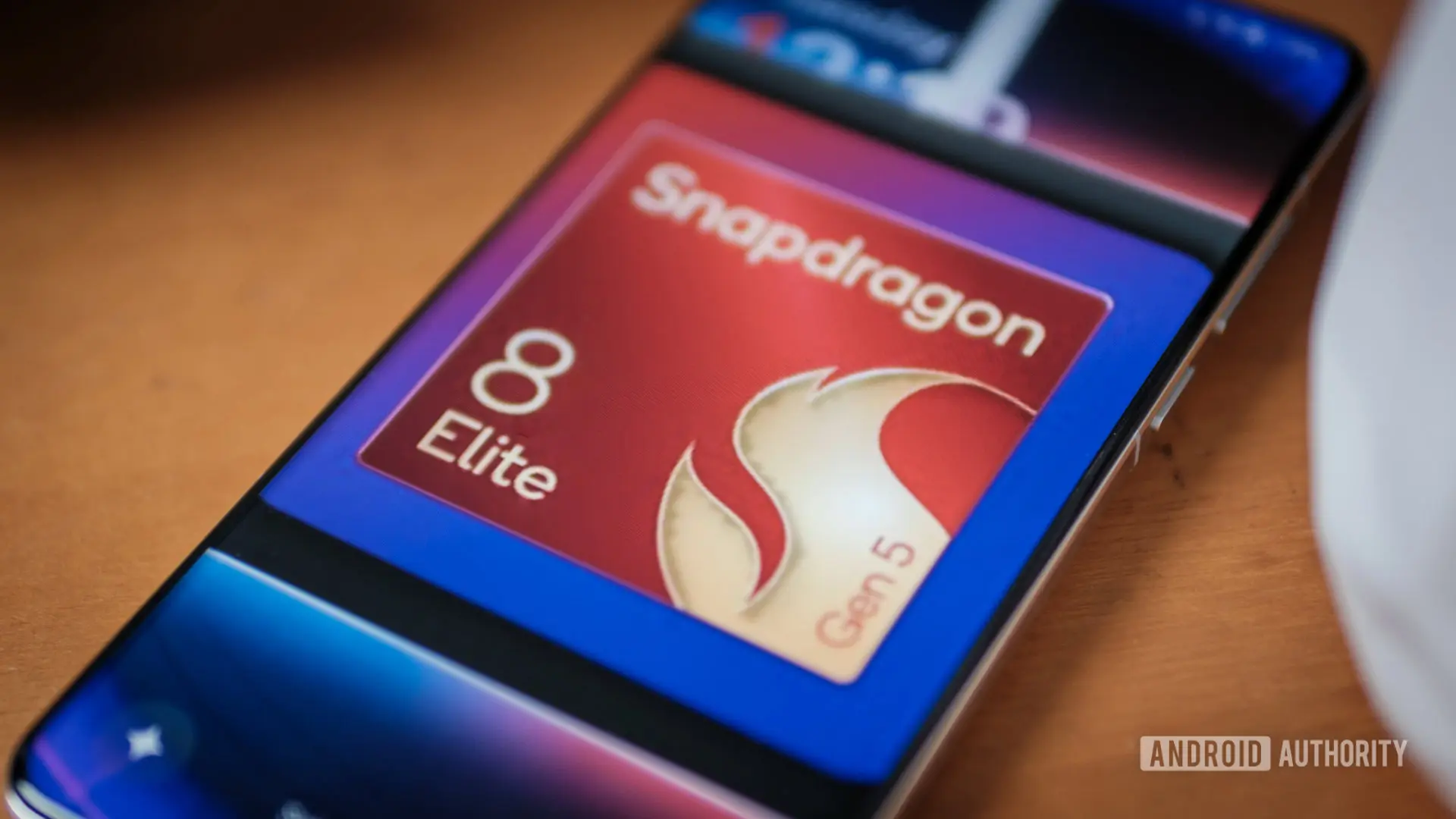
But this isn't just about memory. Flagship generations typically bring faster chipsets, camera improvements, battery upgrades, and new AI features. The Xiaomi 18 Pro is expected to be among the first phones to use Qualcomm's Snapdragon 8 Elite Gen 6 Pro, giving Xiaomi a leg-up in showcasing the next generation of Android flagship performance. Over the past two years, Xiaomi has consistently been the first to adopt Qualcomm's latest flagship mobile platform, and this trend seems set to continue. That early adoption comes with premium costs, both in terms of component pricing and R&D investment.
Why memory costs are rising
The global semiconductor industry is undergoing a major shift. As demand for artificial intelligence capabilities explodes, memory manufacturers like Samsung, SK Hynix, and Micron are reallocating production lines from consumer DRAM and NAND to high-bandwidth memory (HBM) used in AI data centers. This reallocation has created supply constraints for the types of memory used in smartphones. According to recent industry reports, DRAM contract prices increased by roughly 15-20% in the third quarter of 2025, and NAND flash prices followed a similar trajectory. Analysts expect these increases to continue through 2026, directly impacting the bill of materials for flagship phones.
Smartphones are the largest consumer of mobile DRAM and NAND. A typical flagship in 2026 is expected to come with at least 12GB of RAM and 256GB of storage, with top-tier variants reaching 24GB RAM and 1TB storage. Xiaomi, known for offering generous memory configurations, will see its cost per unit rise significantly. The move to UFS 4.0 or newer storage standards also adds to expenses. While some manufacturers might absorb these costs to maintain competitive pricing, others—especially those targeting the premium segment—may have to pass them on.
This is not the first time Xiaomi has adjusted its pricing strategy. The company originally built its reputation on offering high-spec devices at aggressive price points, undercutting rivals like Samsung and Apple. However, as Xiaomi has moved upmarket with its Pro and Ultra series, price increases have become more common. The Xiaomi 12S Pro started at 4,699 yuan, the Xiaomi 13 Pro at 4,999 yuan, the Xiaomi 14 Pro at 4,999 yuan, and the Xiaomi 17 Pro again at 4,999 yuan. Breaking the 5,000 yuan barrier with the 18 Pro represents a psychological threshold for Chinese consumers, who may now view Xiaomi as a true premium brand.
What the price hike means for buyers
For consumers, a 20% increase is hard to ignore. In China, the flagship smartphone market is fiercely competitive, with rivals like OPPO, Vivo, Honor, and Huawei all vying for the same high-end buyers. Huawei, in particular, has regained momentum with its Kirin-powered Mate and P series, often priced above 6,000 yuan. Xiaomi's potential move to 6,000 yuan would put it in direct competition with Huawei's offerings, as well as with the iPhone Pro models. However, Xiaomi may need to deliver meaningful upgrades across the board to justify the jump.
Beyond the chipset, the Xiaomi 18 Pro is rumored to feature a new camera system with a larger main sensor, improved zoom capabilities, and enhanced software processing. Battery technology is also expected to improve, with faster charging and possibly higher capacity. AI features, such as on-device language models and advanced photo editing, could be a key differentiator. Xiaomi's MIUI (or its successor, HyperOS) may also receive a significant overhaul focused on AI integration. All these improvements come with development costs that are ultimately reflected in the final price.
There's also the global market to consider. Xiaomi often prices its international variants higher than Chinese versions due to taxes, tariffs, and regional marketing costs. For instance, the Xiaomi 17 Pro launched at around $899 in Europe. If the Chinese price increases by 20%, the global price could easily exceed $1,000. That would put Xiaomi in the same pricing bracket as Samsung's Galaxy S series and Apple's iPhone Pro lineup, where brand loyalty and ecosystem lock-in are strong. Xiaomi would need to convince consumers that its hardware capabilities outweigh the perceived value of better-known rivals.
Early adopters may be willing to pay a premium for being among the first to own a Snapdragon 8 Elite Gen 6 Pro device. Historically, Xiaomi's first-to-market strategy has generated strong initial sales, even at higher prices. Over time, however, the company often reduces prices through promotions and sales events. The real test will come when the device is widely available and compared head-to-head with competitors launching around the same time.
This is an early leak, of course, and pricing decisions could change before launch. Xiaomi might decide to absorb some of the memory cost increases to keep the price more attractive, especially if competition heats up. Alternatively, they could offer a more affordable standard Xiaomi 18 without the Pro designation. Regional variants also tend to have different price points when they hit global markets, so international buyers might see a different—possibly higher—number.
As the smartphone industry continues to evolve, one thing is clear: the era of ever-cheaper flagships is over. Rising component costs, supply chain pressures, and the relentless push for innovation are driving prices upward across the board. For enthusiasts, the challenge is to balance the desire for cutting-edge technology with the willingness to pay for it. The Xiaomi 18 Pro, if it indeed breaks the 6,000 yuan barrier, will be a litmus test for how far consumers are willing to go.
Source: Android Authority News