

Amazon is tapping the debt market in a big way, seeking to finance its massive expansion in artificial intelligence infrastructure. The company attracted approximately $126 billion (£94 billion) in peak demand for its bond sale on Tuesday, according to market reports, making it one of the largest corporate bond offerings on record. This comes as major technology firms increasingly turn to debt markets to fuel their AI spending sprees, even amid broader economic uncertainty.
For context, Oracle drew $129 billion in orders for a bond sale in February, while Meta pulled in $125 billion for its bond sale last October. The appetite for tech debt remains strong, as investors bet on the long-term growth of AI and cloud computing. Amazon’s bond offering is split into as many as 11 tranches on the US high-grade debt market, with maturities ranging from two to 50 years. In addition, the company is also marketing an eight-part euro-denominated bond sale this week, aiming to attract international investors.
This is not Amazon's first foray into the debt market for AI funding. In November last year, the company raised $15 billion in its first US bond sale in three years. Meanwhile, Alphabet, Google's parent company, raised more than $30 billion in issuance across dollar, sterling, and Swiss franc denominated debt just last month. These companies are all racing to build out data centres loaded with specialised AI chips, such as Nvidia’s GPUs and Amazon’s own custom Trainium processors.
Why Debt? A Strategic Choice
Taking on debt allows tech giants to preserve cash and avoid diluting shareholders, even as they spend billions on long-term projects. With interest rates still relatively high but expected to ease, locking in fixed rates now can be a savvy move. Amazon’s balance sheet remains strong, with cash and equivalents of over $80 billion, but the scale of AI investment is unprecedented. The company announced in February that it plans to spend $200 billion on capital expenditures this year, primarily on AI infrastructure, a figure that surpasses competitors Google and Microsoft.
That announcement sent Amazon’s shares lower, as investors questioned the near-term returns from such heavy spending. The tech sector as a whole has faced a more cautious environment in 2025, with many analysts demanding clearer paths to profitability from AI ventures. However, Amazon CEO Andy Jassy defended the strategy on an investor call, stating, “We’re going to invest to be the leader in this space.” He pointed to investments in custom AI chips, robotics, and low Earth orbit satellites as key components of the company’s AI vision.
The AI Infrastructure Arms Race
The race to dominate AI is driving a frenzy of data centre construction world wide. Amazon Web Services (AWS), the company’s cloud division, is the largest provider of cloud infrastructure, but it faces stiff competition from Microsoft Azure and Google Cloud. AI workloads require enormous computational power, often provided by thousands of interconnected GPUs in data centres that can cost over $1 billion each to build. Amazon is also developing its own chips, such as Trainium and Inferentia, to reduce dependence on Nvidia and lower costs.
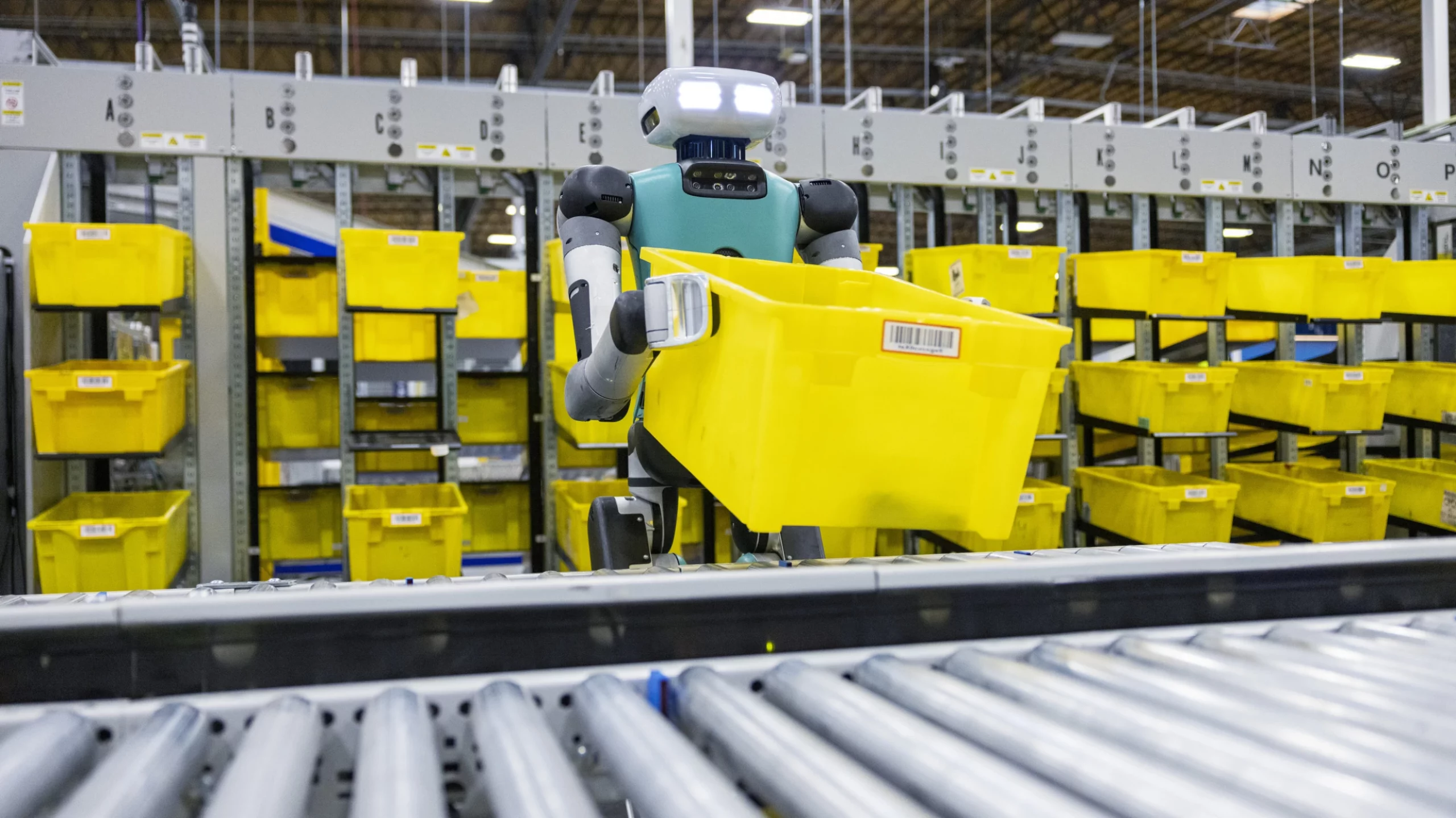
Beyond chips, Amazon is investing heavily in robotics for logistics automation and in Project Kuiper, a constellation of low Earth orbit satellites intended to provide global broadband. Both are AI-enabled efforts that require sustained capital. The bond sale proceeds will help fund these initiatives without tapping into Amazon’s operating cash flow, which is also needed for other business lines like retail and Prime Video.
Market analysts note that the debt market’s strong reception reflects confidence in Amazon’s creditworthiness. The company holds investment-grade ratings from all three major agencies (Moody's A1, S&P AA, Fitch AA-). The bond sale includes various tenors, with the longest being 50-year bonds, a rare instrument that attracts long-term institutional investors such as pension funds and insurance companies. Amazon’s strategy of issuing multi-currency debt also broadens its investor base, reducing reliance on any single market.
Broader Economic and Industry Context
The tech debt boom comes against a backdrop of global economic turbulence. Trade tensions, inflation concerns, and geopolitical risks have made many sectors cautious, but technology companies are bucking the trend by raising large sums. The demand for AI-related infrastructure is seen as a structural shift, not a cyclical fad. According to industry estimates, global AI data centre spending could exceed $500 billion by 2028. To put Amazon’s $200 billion commitment in perspective, that is roughly equivalent to the annual GDP of countries like Hungary or Qatar.
Amazon’s move also highlights the growing importance of corporate bond markets. In 2024, investment-grade bond issuance in the US reached a record $1.8 trillion, and 2025 is on pace to surpass that. Technology companies have been among the most active issuers, using the proceeds for M&A, share buybacks, and capital expenditures. However, the shift toward debt financing for AI is relatively new, as previous tech investment booms (e.g., cloud computing in the 2010s) were largely funded from internal cash flows.
Investors are closely watching the returns on these massive investments. AWS currently generates a healthy operating margin of around 30%, but the new AI infrastructure may take years to yield similar returns. Amazon’s CFO, Brian Olsavsky, has described the AI spending as “once-in-a-lifetime” opportunity, but also acknowledged that it will depress free cash flow in the near term. The bond sale provides a cushion, allowing Amazon to continue its aggressive rollout without sacrificing financial flexibility.
Amazon’s Competitive Position
Amazon’s AI ambitions extend far beyond cloud services. The company is integrating generative AI into nearly every aspect of its business: Alexa voice assistant, product recommendations, advertising, warehouse robots, and even movie production through Amazon Studios. The custom chips, robotics, and satellite network are all designed to give Amazon a competitive edge through vertical integration. Google and Microsoft are pursuing similar strategies, but Amazon’s advantage lies in its massive logistics network and existing cloud customer base.
The company’s ability to attract $126 billion in bond demand, even after its share price dip, underscores investor confidence. For comparison, the entire GDP of some small nations is less than that number. The demand was more than four times the actual amount Amazon ultimately borrowed, indicating that there was plenty of appetite for more debt. That excess demand also allowed Amazon to negotiate favourable terms, including lower interest rates, saving millions in future interest payments.
Looking ahead, Amazon is likely to continue using debt as a primary funding tool for its AI push. The company has also been selling bonds in Europe and other markets to take advantage of low yields there. The euro-denominated tranche being marketed this week is expected to attract European institutional investors who are eager for high-quality corporate debt. With the US Federal Reserve potentially cutting rates later this year, Amazon’s timing may be ideal.
In summary, Amazon’s massive bond sale reflects a broader trend of tech giants leveraging debt markets to fund AI infrastructure. The $126 billion in peak demand shows robust investor appetite, even as the broader economy faces headwinds. Amazon plans to use the proceeds to build data centres, develop custom AI chips, expand robotics, and launch satellite internet services. CEO Andy Jassy has made clear that the company will not hold back on spending, aiming to secure a leadership position in the AI era. The investments are long-term bets that could reshape the technology landscape for years to come.
Source: Silicon UK News