

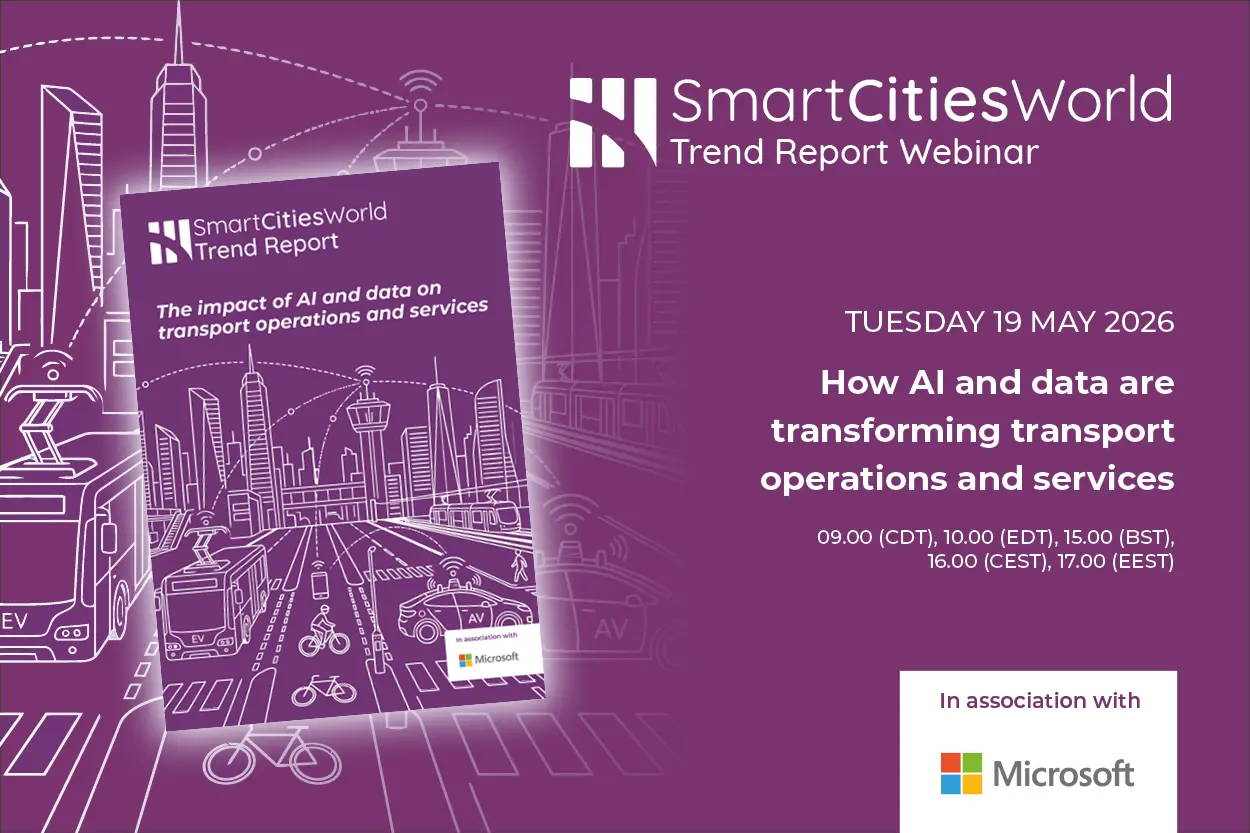
The integration of artificial intelligence and data-driven solutions is fundamentally reshaping transport operations and urban services across the globe. As cities grapple with increasing population densities, environmental pressures, and the need for efficient mobility, the SmartCitiesWorld Summit 2026 has brought together leading experts to explore how these technologies can be mainstreamed into local government operations. From digital twins to renewable energy systems, the discussions highlight a clear trajectory toward smarter, more resilient urban infrastructure.
One of the central themes emerging from the summit is the critical role of data foundations in enabling AI adoption. Katherine Flesh of Microsoft emphasizes that transport agencies turning to AI must first establish robust data governance frameworks. Without clean, well-structured data, even the most sophisticated algorithms fail to deliver meaningful improvements. Flesh points out that workforce readiness and responsible governance are equally important; agencies need to invest in training their staff to work alongside AI tools and ensure that ethical considerations are baked into every stage of implementation. This holistic approach is what separates successful AI deployments from those that flounder.
Digital Twins and Urban Infrastructure Management
Another key trend is the use of digital twins to reshape urban infrastructure management. Digital twins—virtual replicas of physical systems—allow city planners to simulate traffic flows, energy consumption, and even emergency scenarios in real time. An OnDemand Trend Report panel discussion titled "Operating smarter: using digital twins and AI to reshape urban infrastructure management" delved into how these tools are being adopted by forward-thinking cities. The panel noted that digital twins enable predictive maintenance, reduce operational costs, and improve response times during crises. For transport specifically, they can optimize public transit schedules, reduce congestion, and enhance the passenger experience by providing real-time updates and personalized routing.
In conjunction with digital twins, the summit explored how energy systems can be shaped by local authorities through renewables, flexibility, storage, and smarter networks. This is not just about reducing carbon footprints; it is about building resilience. As extreme weather events become more common, cities that have invested in distributed energy storage and smart grids are better equipped to maintain critical services like street lighting and traffic control. Tom Gerend, executive director of the Kansas City Streetcar Authority, provided a compelling example of how rail infrastructure can reconnect a city. The return of streetcars to downtown Kansas City has not only improved transit options but also unlocked riverfront development and reshaped the city’s growth story. This kind of integration between transport and land use is a powerful demonstration of how data and technology can drive economic revitalization.
Procurement as a Strategic Tool
Sam Markey, founder of Recurve, argues that strategic procurement is one of cities’ most underused tools for building resilience, local capacity, and long-term climate impact. Rather than treating procurement as a routine administrative function, cities can leverage it to prioritize vendors that offer sustainable, data-driven solutions. For example, when purchasing new streetlighting systems, cities can specify that the fixtures must be interoperable with existing IoT platforms and capable of supporting future applications like air quality monitoring. This forward-thinking approach turns every purchase into an investment in a smarter future.
The summit also highlighted specific city profiles that illustrate these principles in action. Sunderland, United Kingdom, is repositioning itself as a leading smart city by using digital infrastructure and low-carbon innovation to build a resilient economy. An OnDemand webinar titled "Preparing for AI - understanding the data groundwork with Sunderland" digs into the practical steps the city has taken to clean up its data, establish common standards, and train its workforce. Sunderland's approach is a model for other mid-sized cities looking to compete in the digital age without massive budgets.
Dublin, Ireland, is another example. The city is innovating to improve experiences and services for its communities through projects like digital twins, traffic reduction initiatives, and economic growth strategies. Dublin’s use of AI for traffic management has led to significant reductions in congestion and emissions, while its digital twin platform allows planners to test new policies virtually before committing resources. The city’s holistic approach—combining technology with community engagement—ensures that innovations serve all residents, not just the tech-savvy.
Smart Lighting and Cybersecurity
Lighting infrastructure, often overlooked, is emerging as a foundational layer for smart city initiatives. The podcast series "Cities Thriving on Lighting" explores how global cities are approaching smart lighting and the related cybersecurity risks. The final episode looks at current best practices, emphasizing that smart lighting networks must be secure, interoperable, and future-proof. Many cities are turning their existing streetlight networks into platforms for sensors, Wi-Fi, and environmental monitoring. However, as these systems become more connected, they also become more vulnerable to cyberattacks. The podcast underscores the need for encryption, regular audits, and vendor accountability. The second episode of the series dives deeper into the technology and considerations behind this transformation, offering a roadmap for municipalities of all sizes.
Ecomondo, a leading event for green technologies, discusses the priorities shaping healthier, more sustainable cities. In a session at the SmartCitiesWorld Summit, Ecomondo representatives explained why the summit offers a valuable platform for sharing practical solutions and building new connections. By bringing together policymakers, technologists, and urban planners, such forums accelerate the adoption of best practices. The cross-pollination of ideas—from European cities like Copenhagen to Asian hubs like Singapore—helps attendees see what is possible and adapt innovations to local contexts.
Strong Data Foundations for AI
Transport agencies are particularly well-positioned to benefit from AI, but as Microsoft’s Katherine Flesh reiterates, the greatest opportunities depend on strong data foundations. Transit systems generate vast amounts of data—from ticketing machines, GPS trackers, traffic cameras, and passenger Wi-Fi. But without a unified data strategy, this information remains siloed and underutilized. Flesh advocates for creating centralized data lakes with open standards, so that AI algorithms can draw on a comprehensive view of the transport system. She also stresses the importance of responsible governance: AI must be transparent, fair, and accountable to public trust. Agencies should establish ethics boards and conduct regular impact assessments to ensure that automation does not disproportionately affect marginalized communities.
The SmartCitiesWorld Newsletters, available daily or weekly, keep subscribers informed of the latest developments. The editorial newsletter curates key news items, city interviews, special reports, and guest opinions, providing a digestible overview for busy professionals. This continuous flow of information is vital in a field that evolves so rapidly.
In summary, the convergence of AI, data, and smart infrastructure is creating unprecedented opportunities for cities to enhance transport services, reduce environmental impact, and improve quality of life. From digital twins in Dublin to streetcars in Kansas City and data governance in Sunderland, the examples are multiplying. However, success hinges on careful planning, strong collaboration, and a commitment to ethical principles. As the SmartCitiesWorld Summit 2026 makes clear, the cities that will thrive are those that treat data as a strategic asset and technology as a means to serve their communities—not an end in itself. The journey is complex, but the direction is unmistakable: toward a future where urban systems are smarter, more resilient, and more human-centered.
Source: Smart Cities World News