

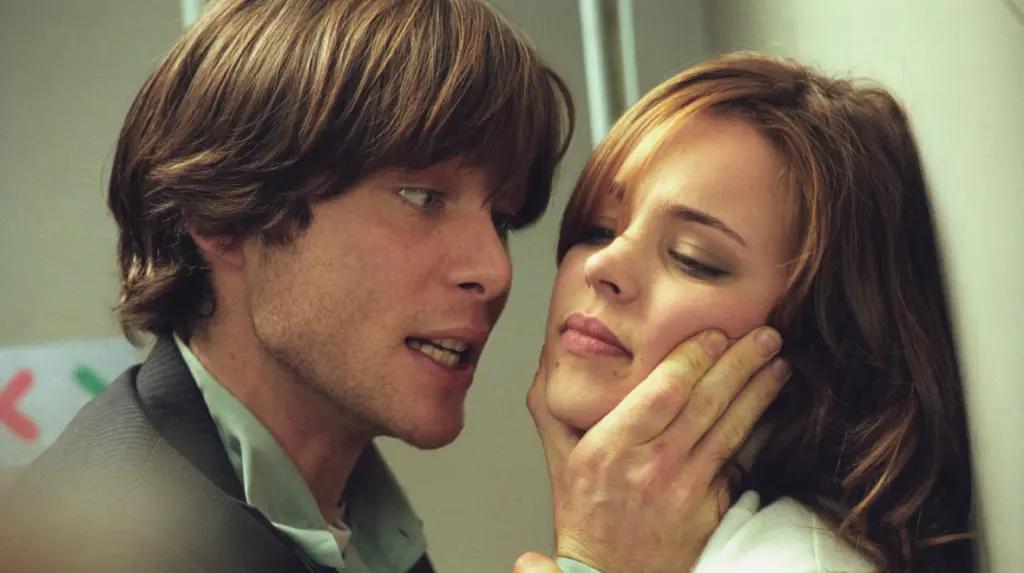
There is something special about scrolling through the TV guide and finding a genuinely great film scheduled for the evening. Tonight, viewers are in luck: a Cillian Murphy thriller is on TV, offering a masterclass in suspense, atmosphere and quiet menace. Murphy has become one of the most respected actors of his generation, and this particular film remains a standout in his filmography.
Before the world knew him as Thomas Shelby in Peaky Blinders or J. Robert Oppenheimer in Christopher Nolan's blockbuster, Murphy was already making his name in British and Irish cinema. Born in Douglas, Cork, he initially planned a career in law before turning to acting. His stage work and early films such as Disco Pigs and 28 Days Later helped establish him as a performer of rare intensity. It is 28 Days Later that many fans still cite as the film that introduced them to his unique screen presence.
Key Facts About the Film
- Film: 28 Days Later
- Director: Danny Boyle
- Writer: Alex Garland
- Star: Cillian Murphy
- Release Year: 2002
- Genre: Post-apocalyptic horror thriller
- Known For: Reinventing the zombie genre and launching Murphy into international stardom
Why 28 Days Later Still Matters
28 Days Later arrived at a moment when audiences were hungry for something different from the usual action-horror fare. Danny Boyle, fresh from the success of Trainspotting and The Beach, teamed up with screenwriter Alex Garland to create a film that felt urgent, raw and dangerously alive. Shot on lightweight digital cameras, the movie has a documentary-like texture that makes the nightmare feel uncomfortably real. The decision to use digital video was initially controversial, but it gave the film a gritty, immediate energy that has aged surprisingly well.
The plot follows Jim, a bicycle courier who wakes up alone in a London hospital after a terrible accident. The city is empty, silent and covered in the debris of a civilisation that has collapsed almost overnight. A mysterious and highly contagious virus, known as the Rage, has turned the population into violent, infected creatures. Jim wanders through a deserted capital, encountering abandoned cars, scattered newspapers and the eerie remains of everyday life. It is a brilliant opening sequence, one that has been copied and referenced countless times in the years since.
Jim's journey soon brings him into contact with Selena and Hannah, two survivors who have learned to navigate this new world with brutal pragmatism. Together, they search for safety, but the greatest threat they face may not be the infected. The film's middle section introduces a group of soldiers led by Major Henry West, and the tone shifts from survival horror to psychological tension. The military men represent a different kind of danger: the urge to rebuild society through force, control and desperation. This thematic depth is one of the reasons 28 Days Later remains so highly regarded.
Cillian Murphy's Breakout Performance
For Cillian Murphy, 28 Days Later was a true breakthrough. He had already impressed critics with his stage work and his role in Disco Pigs, but this film introduced him to a much wider audience. Jim is a challenging character because he begins as a passive, bewildered figure. He has no combat skills, no survival experience and no idea what has happened to the world. Murphy makes that vulnerability believable without turning Jim into a helpless victim. Instead, he charts a subtle evolution from fear to determination, from confusion to clarity.
Much of the film's emotional power depends on Murphy's ability to communicate with his eyes. Long passages of 28 Days Later contain very little dialogue, especially in the opening act. The camera lingers on Murphy's face as he absorbs the horror around him, and the audience experiences the discovery alongside him. It is a performance built on reaction, stillness and mounting dread. Later, when Jim is forced to fight, Murphy shows a ferocity that feels earned rather than sudden. That blend of sensitivity and intensity would become his trademark.
After 28 Days Later, Murphy went on to work with some of the most exciting directors in the world. He played the villainous Scarecrow in Batman Begins, appeared in Inception and The Dark Knight trilogy, and delivered a powerful performance in Ken Loach's The Wind That Shakes the Barley. His role as Tommy Shelby in Peaky Blinders made him a household name, and his Oscar-winning turn as Oppenheimer cemented his legacy. Yet for many fans, the performance that first proved his range was in this savage, beautiful thriller.
The Cultural Impact of the Rage
28 Days Later did more than make a star of its leading man. It changed the rules of the zombie genre. Before this film, zombies were usually slow, shambling creatures, closer to George A. Romero's classic Night of the Living Dead. The infected in Boyle's film are fast, aggressive and terrifyingly unpredictable. They run, they scream and they attack with animalistic fury. That simple change had a massive influence on horror and pop culture, helping to shape the tone of later hits such as Danny Boyle's own sequel 28 Weeks Later and even elements of The Walking Dead.
The film also captured a particular moment in British history. Released in 2002, shortly after the September 11 attacks and during a period of global anxiety, it tapped into fears of chaos, contagion and societal collapse. The images of an empty London, with landmarks such as Westminster Bridge and Piccadilly Circus abandoned, were striking and unsettling. Audiences recognised their own world in ruins. That grounding in reality is what separates 28 Days Later from more fantastical horror movies. It feels like something that could happen tomorrow, and that makes it unforgettable.
The musical score, composed by John Murphy and performed with God-like intensity, also deserves special mention. Tracks such as In the House – In a Heartbeat have become iconic in their own right, used in trailers, tributes and countless dramatic moments across television and film. The combination of visual style, sound design and editing creates a sensory experience that lingers long after the credits roll. It is no exaggeration to say that 28 Days Later is a complete artistic achievement.
Where It Fits in Murphy's Career
Watching 28 Days Later tonight is not just an opportunity to enjoy a great thriller; it is also a chance to see a future superstar finding his footing. Murphy's subsequent career has been defined by bold choices and a refusal to be typecast. He moved effortlessly between independent dramas, big-budget franchises and television prestige productions. From the romantic intensity of Breakfast on Pluto to the quiet menace of A Quiet Place Part II, he has never stopped taking risks.
His Oscar-winning performance in Oppenheimer brought him full circle, in a sense. Christopher Nolan, who first cast him as Scarecrow in Batman Begins, trusted him to carry the weight of a three-hour epic about the father of the atomic bomb. Murphy's ability to portray intellect, ambition, guilt and destruction in the same man is a direct extension of the skills he first refined in 28 Days Later. The same eyes that trembled at the sight of an empty London later stared into the moral void of world-altering power.
For anyone who values intelligent, high-tension cinema, tonight's broadcast is essential viewing. The film remains a cornerstone of British horror and a fascinating time capsule of the early 2000s. It also serves as a reminder that great actors are often born in small, hungry productions where the stakes feel terrifyingly real. Cillian Murphy has become a major star, but 28 Days Later shows exactly why he deserved to be discovered in the first place.
Source: Joe.ie News