

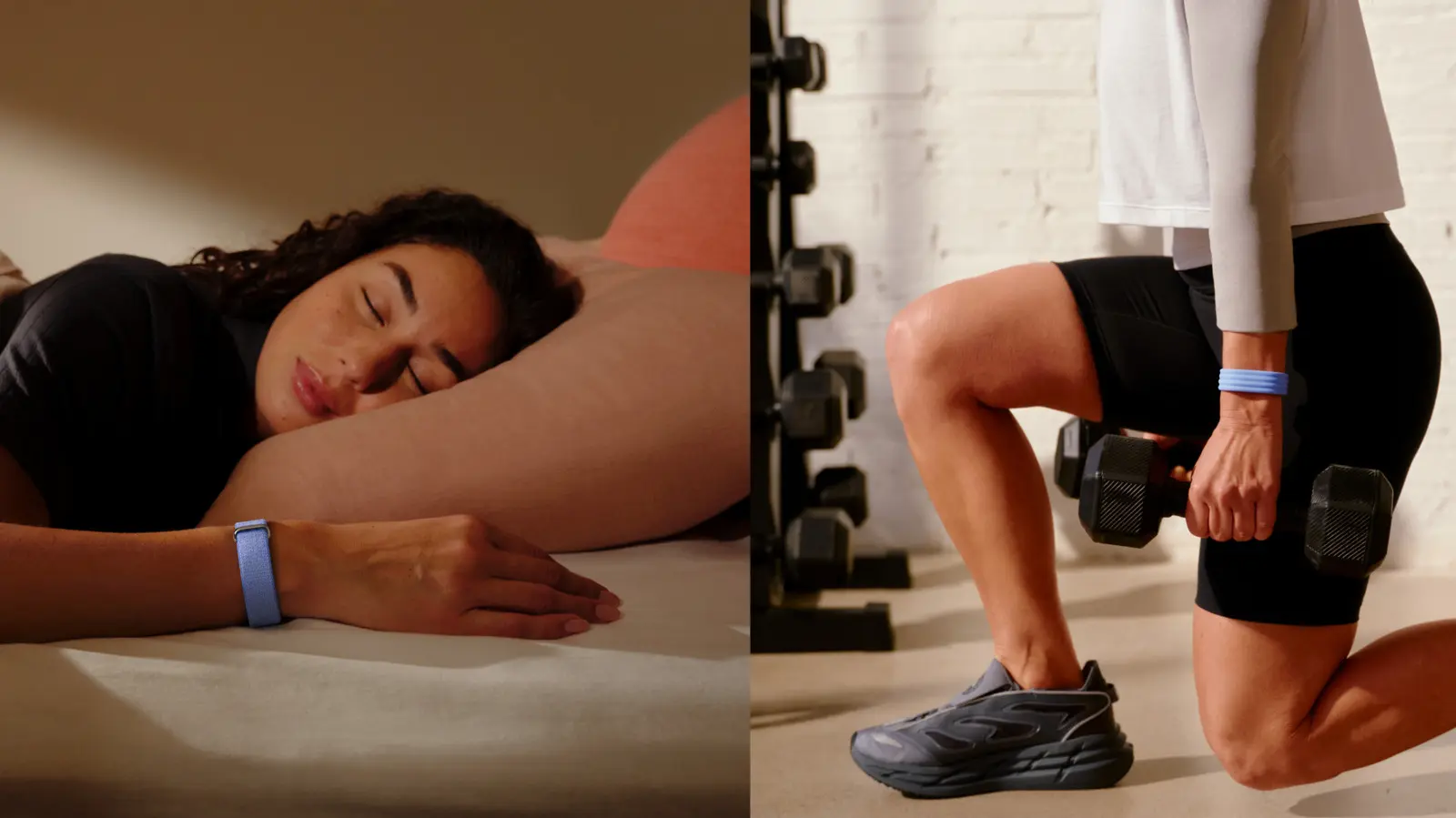
Google has officially unveiled the Fitbit Air, a screenless wearable that was teased back in March. Designed to compete with devices like the Whoop strap, the Fitbit Air is essentially a Fitbit tracker freed from the traditional band, allowing users to place it in a wristband, chest strap, or other accessories. Pre-orders begin today for $100, with the device shipping on May 26. This launch marks a significant step in Google’s wearable strategy, blending Fitbit’s long history of health tracking with the company’s latest artificial intelligence capabilities.
Design and Comfort
According to Rishi Chandra, Google’s general manager for Health, the Fitbit Air is 25 percent smaller than the Fitbit Luxe and 50 percent smaller than the Inspire 3. Weighing just 12 grams (0.42 ounces) with a band and 5.2 grams (0.18 ounces) without, it is one of the lightest fitness trackers on the market. Google claims that in an independent consumer perception study conducted last year, the Air was rated more comfortable than leading competitors among the most popular wearables in the US. The company emphasizes a "secure, micro-adjustable fit" that ensures the device remains unnoticed during work, exercise, or sleep.
The screenless design means there are no buttons or displays to interact with. Instead, the Fitbit Air passively collects data from the user’s body. This approach prioritizes comfort and simplicity, appealing to those who prefer not to be distracted by notifications while still wanting comprehensive health insights. Three band options are currently available: a Performance Loop Band with micro-adjustment, an Active silicone band that is sweatproof and wetproof (the Air itself is water-resistant to 50 meters but not officially waterproof), and an Elevated Modern Band that transforms the tracker into a fashionable bracelet. Google has indicated that more accessories, including chest straps and other form factors, are under consideration.
Health Tracking Features
Despite its small size, the Fitbit Air packs a wide array of health sensors. It monitors heart rate continuously throughout the day, and using Fitbit’s established algorithms, it can log sleep stages, provide a nightly Sleep Score, and detect signs of atrial fibrillation (AFib) through irregular heart rhythm notifications. The device also tracks heart rate variability (HRV) and offers insights into its impact on overall well-being. Google says the Air is powered by new machine learning models that are 15 percent more accurate than previous generations, and the Sleep Score has been refined to better reflect recovery.
For activity tracking, the Fitbit Air features auto-activity detection for common exercises such as biking (stationary or outdoor), running, walking, rowing, elliptical, and other high-heart-rate sports. Users can manually start sessions for over 40 types of activities through the companion app, including aerobics, circuit training, canoeing, dancing, kickboxing, walking, and yoga. Additionally, more than 140 activity options can be added post-workout, ranging from archery and assault biking to badminton, cricket, curling, and even household chores. The tracker also provides metrics like weekly cardio load, readiness scores, steps, distance, and active minutes. A silent vibration motor enables features like Smart Wake, which gently rouses users at the optimal point in their sleep cycle.
AI Integration: Google Health Coach
A key differentiator of the Fitbit Air is its integration with the Google Health Coach, a Gemini-powered conversational interface that has been in public preview since October 2025. The coach allows users to have natural language conversations with the Google Health app, receiving personalized suggestions based on their data. It can create dynamic, tailored fitness plans that adapt to real-time performance and schedule changes. According to Google, the coach can incorporate data from Cycle Health and other vital medical information, all while maintaining privacy and security. This AI infusion positions the Fitbit Air as not just a passive tracker but an interactive health assistant.
The Health Coach represents Google’s broader strategy to leverage AI across its product ecosystem. By combining machine learning with decades of Fitbit health data, the company aims to deliver insights that go beyond basic step counting. The coach can answer questions about sleep patterns, recommend adjustments to training intensity, and even suggest mindfulness exercises based on stress indicators. This level of personalization, while still evolving, sets the Air apart from competitors like Whoop, which also offers coaching but relies more on third-party integrations.
Battery Life and Charging
The Fitbit Air offers an estimated battery life of up to a week on a single charge. Fast charging capabilities provide up to one day of power in just five minutes, while a full charge to 100 percent takes about 90 minutes. The charger is magnetic and bi-directional, similar to the Pixel Watch 4’s, eliminating the need to fiddle with orientation. This convenience aligns with the device’s focus on minimalism and ease of use.
Special Edition and Pricing
Google has also announced a special edition of the Fitbit Air in collaboration with basketball star Stephen Curry, who serves as the company’s "Performance Advisor." The special edition features a raised interior print for increased airflow, signature Curry design details, and an additional water-resistant coating. It is priced at $130. Every purchase of the Fitbit Air, including the special edition, comes with three months of Google Health Premium, the company’s subscription service that unlocks advanced insights, personalized coaching, and deeper analytics. The standard model is available for $100, making it aggressively priced compared to the Whoop 4.0, which requires a monthly subscription.
The launch of the Fitbit Air is a clear signal that Google intends to compete in the growing market for screenless, subscription-based fitness wearables. By combining a comfortable form factor, proven health tracking, and cutting-edge AI, the company hopes to attract users who want actionable health data without the distractions of a smartwatch. As more accessories become available and the Health Coach continues to improve, the Fitbit Air could become a versatile platform for long-term health management.
Source: Engadget News