

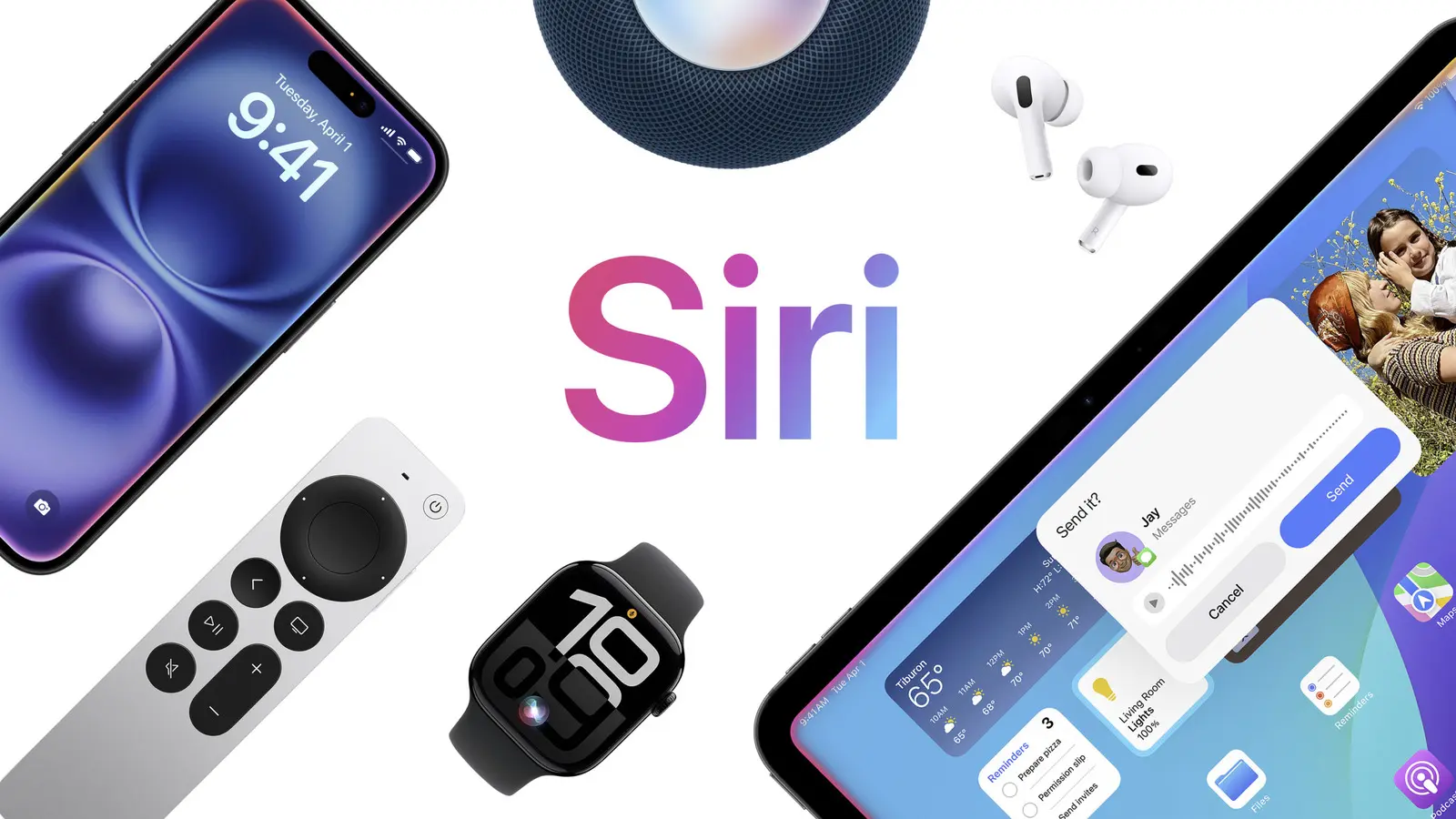
Apple has agreed to pay $250 million to settle a class action lawsuit that alleged the company misled US iPhone buyers into believing that a significantly upgraded, AI-powered version of Siri would be available in 2024. The lawsuit, filed on behalf of consumers who purchased iPhone 16 models and iPhone 15 Pro devices, claimed that Apple's marketing promised a more personalized and context-aware assistant — a promise that remains unfulfilled nearly two years later.
The settlement, which requires approval from a federal judge, would provide financial compensation to customers who expected Siri's next-generation capabilities on their new phones. Notably, Apple does not admit any wrongdoing under the terms of the proposal. The company has consistently maintained that its advertising was not intentionally misleading, but it chose to settle to avoid prolonged litigation.
Background: The Promise of Apple Intelligence
At its Worldwide Developers Conference (WWDC) in June 2024, Apple unveiled a sweeping set of artificial intelligence features collectively branded as "Apple Intelligence." The announcement was a landmark moment for the company, which had been perceived as lagging behind rivals like Google and Microsoft in the generative AI race. Among the most anticipated features was a radically revamped Siri that could understand the context of what was on a user's device, take actions within apps, and maintain continuity across tasks.
Apple marketed these features heavily, with television commercials and online ads showing users asking Siri to perform complex multi-step commands—like finding a specific photo and sending it to a contact while also checking a calendar event. The iPhone 16 lineup was specifically positioned as "built for Apple Intelligence," implying that the hardware was future-proofed to run the new AI capabilities.
However, the rollout of Apple Intelligence was fragmented. Throughout 2024 and 2025, the company released incremental updates that included text-editing tools, image generation, and ChatGPT integration. But the core Siri upgrade—the one that would understand personal context and execute actions across apps—never arrived. Apple did not publicly acknowledge the delay until March 2025, over five months after the iPhone 16 launch.
The Lawsuit and Settlement Details
Class-action lawsuits were filed shortly after Apple admitted the delay, accusing the company of deceptive advertising and unfair business practices. Plaintiffs argued that Apple knew—or should have known—that the new Siri would not be ready on time, yet it continued to promote the feature to sell phones. The lawsuit sought damages for all US residents who bought an iPhone 16 or iPhone 15 Pro, as those were the only models capable of running Apple Intelligence.
The $250 million settlement fund will be distributed among class members, with amounts depending on the number of claims filed and the type of device purchased. Legal fees could reduce the total amount available to consumers. The settlement also does not require Apple to change its marketing practices, though the company has since pulled the advertisements that featured the delayed Siri functionality.
Why Was Siri Delayed?
The delay is rooted in the immense technical challenge of creating an AI assistant that operates entirely on-device while respecting user privacy. Apple's approach to artificial intelligence has been to process as much data as possible locally, rather than sending it to cloud servers. This requires powerful neural engines and sophisticated on-device models that can understand natural language, personal data, and app structures in real time.
Early reports indicated that Apple's internal teams struggled to achieve the accuracy and reliability needed for the new Siri. The feature, codenamed "Siri 2.0" internally, was supposed to be the centerpiece of Apple Intelligence, but it repeatedly missed internal deadlines. Engineers reportedly had difficulty training models to understand user context without compromising privacy or performance.
In a surprising move, Apple ultimately turned to Google to help finish the feature. In early 2026, the companies announced a partnership that would allow Apple to use Google's Gemini models to power the new Siri. This marked a shift in Apple's strategy, as the company had previously emphasized its own in-house AI capabilities. The Gemini models, known for their advanced reasoning and contextual understanding, provided the missing piece that Apple's own development could not deliver in time.
Impact on Consumers and Apple's Reputation
The settlement provides some financial relief to early adopters who felt misled, but it does little to address the broader disappointment among Apple enthusiasts. Many consumers purchased the iPhone 16 specifically for Apple Intelligence, only to find that the most exciting feature was nowhere to be found. The delay also affected developers who had built apps and workflows expecting the new Siri API.
For Apple, the episode has been a rare and costly misstep. The company has long prided itself on delivering polished, reliable features on time. The Siri delay, coupled with other stumbles in its AI rollout, has raised questions about whether Apple can compete effectively in the rapidly evolving AI landscape. The partnership with Google, while pragmatic, also underscores the difficulty of building state-of-the-art AI strictly on-device.
Meanwhile, competitors have not stood still. Google has integrated Gemini deeply into its Pixel lineup and Android ecosystem, while Samsung has partnered with Google for its Galaxy AI features. Even Microsoft has pushed Copilot across Windows and Office. Apple's delayed Siri upgrade could cost it market share in the premium smartphone segment, especially among users who prioritize cutting-edge AI features.
What Comes Next: iOS 27 and the New Siri
Apple now plans to include the new Siri in iOS 27, expected to launch in September 2026. The update will reportedly also include several other AI enhancements, such as improved on-device language processing, real-time translation, and deeper app integration. The partnership with Google means that some queries will be handled by cloud-based Gemini models, though Apple insists that user privacy will be protected through encryption and anonymization.
It remains to be seen whether consumers will embrace Siri 2.0 after such a long wait. Apple has historically been able to excite users even with delayed features, as seen with the iPhone X's Face ID or the original Siri itself. But the AI landscape is far more competitive now, and user expectations are higher. A successful launch could restore confidence in Apple's ability to innovate, while another delay or underwhelming performance could further damage the brand's reputation.
The $250 million settlement, while substantial, is a relatively small price for Apple to pay to move past this controversy. The company's cash reserves exceed $60 billion, and the payout represents less than half of one percent of its annual revenue. However, the reputational cost may prove far greater if Apple cannot deliver on its AI promises this time around.
For now, the lawsuit is a cautionary tale about the risks of over-promising in the tech industry. Apple bet heavily on Apple Intelligence as a differentiator, but the gamble backfired when the most compelling feature failed to materialize. As the company prepares to finally release the new Siri, it faces the challenge of living up to expectations that have been built up over two years of anticipation.
Source: Engadget News